
Could a clinic promising quick fixes be putting you at risk? When shopping for stem cell care, a few clear warning signs should make you pause. Clinics that push IV infusions for joint pain, promise cures for a long list of conditions, skip imaging or medical exams, or hint at “FDA approval” without proof are high on the red-flag list. This post lays out the top warning signs, explains why they matter, and gives the exact questions to ask so you can protect your body, time, and money.
Key Warning Signs to Identify Risky Stem Cell Clinics Early

Some red flags show up before you even walk through the door. The FDA released comprehensive guidance on stem cell therapy in November 2017, but plenty of clinics still ignore it. If a provider markets intravenous stem cell therapy for joint pain, back problems, or other orthopedic issues, that’s a major warning. IV infusions fall outside FDA-intended use for these conditions and carry higher risk. The FDA has explicitly flagged this practice. Clinics advertising systemic IV treatments for localized musculoskeletal injuries should make you pause.
“Cure-all” claims are another immediate red flag. Any clinic promising 100% success or treating a long list of unrelated conditions (macular degeneration, ALS, Parkinson’s, MS, COPD, and knee arthritis) under one protocol lacks specialization. Legitimate providers focus on specific conditions and set realistic expectations. They don’t promise miracles.
Absence of proper candidacy evaluation is the third high-impact warning. If a clinic schedules you for treatment without requiring current imaging, a detailed medical history review, or a hands-on physical exam, they’re skipping essential steps. Treating everyone who pays, regardless of diagnosis or suitability, is unsafe. Proper care starts with proper screening.
Six immediate red flags to watch for:
- IV-only stem cell therapy advertised for joint, spine, or soft-tissue injuries
- Guaranteed results or promises of cures with no discussion of failure rates
- “We treat everything” approach covering unrelated systemic and orthopedic conditions
- No imaging requirement before scheduling treatment
- No medical history review or physical exam during the first consultation
- Misleading FDA language like “FDA approved” without clear documentation
Spotting these early protects you from wasting money, missing a correct diagnosis, and exposing yourself to unsafe care. If any of these appear in marketing materials or during initial contact, slow down and verify claims before proceeding.
Stem Cell Clinic Red Flags Around FDA Compliance and Regulatory Standards
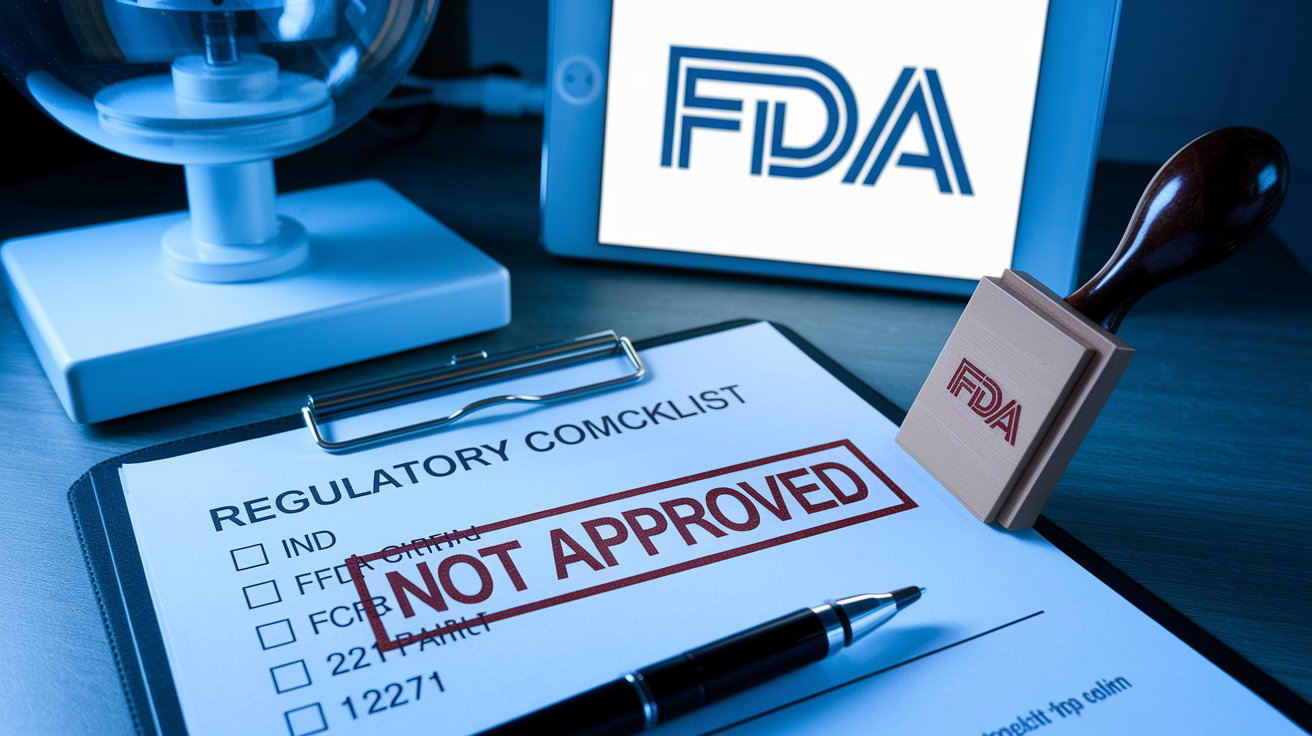
Legitimate clinics follow FDA guidance on how cells are handled, processed, and used. The November 2017 guidance outlined when a stem cell product must be regulated as a drug and when it qualifies for lighter oversight. Clinics that ignore these rules operate outside regulatory boundaries. Proper compliance markers include documented use of FDA-approved devices for processing (like the Arthrex Angel centrifuge cited in some practices), adherence to “minimally manipulated” and “homologous use” standards, and clear disclosure of regulatory status.
Misleading regulatory claims are common. No clinic should advertise “FDA-approved stem cell therapy” without specific, documented approvals for the exact product and indication. The FDA approves drugs and devices, not entire practices or general procedures. If a provider uses that language, ask for written proof. Many clinics substitute vague reassurances or reference device approvals that don’t extend to the treatment itself.
Four regulatory red flags to watch for:
- Claiming “FDA approval” without producing documentation for the specific product and use
- Using unapproved devices or processing methods with no regulatory pathway disclosed
- Offering systemic, off-label stem cell infusions for conditions outside approved indications
- Operating offshore-only to bypass U.S. regulatory oversight and accountability
To verify compliance, ask for the regulatory classification of the proposed treatment. Request documentation showing whether the product falls under 21 CFR Part 1271 (361) or requires investigational new drug (IND) approval (351). Ask what device or system processes the cells and whether that device is FDA-cleared or approved for the stated use. If the provider can’t answer or becomes defensive, that’s a red flag. Legitimate clinics explain their regulatory standing clearly and in writing.
Provider Credential Red Flags When Evaluating a Stem Cell Clinic

Provider qualifications matter because regenerative procedures require specialized training and ongoing clinical experience. Unqualified providers increase your risk of complications, ineffective treatment, and poor follow-up care. The person performing the procedure should be a board-certified physician with documented experience in regenerative medicine, not a sales representative or a clinician who added stem cell therapy as a side offering.
Vague credentials or missing documentation indicate risk. A clinic should disclose each provider’s board certifications, years of practice in regenerative medicine, training or fellowship completion, and who will personally perform your procedure and manage follow-up. If these details are unclear or unavailable, you’re making a decision without essential information.
How to Verify a Provider’s Background
Start by confirming board certification through the American Board of Medical Specialties (ABMS) or the relevant specialty board. Check the provider’s state medical license using your state medical board website. Most searches take about five minutes. Review any disciplinary history, malpractice claims, or restrictions on practice. Ask the clinic for proof of current malpractice insurance and whether the physician holds hospital privileges, which indicate peer review and institutional oversight.
Request the following documentation before proceeding:
- Board certification relevant to your condition (orthopedics, sports medicine, physical medicine and rehabilitation)
- Active, unrestricted state medical license with no pending disciplinary actions
- Years of experience performing regenerative procedures (minimum 2 to 3 years recommended)
- Number of procedures completed (at least 100+ procedures adds credibility)
- Malpractice insurance details and coverage limits
Missing or vague credentials are a warning sign. If the clinic won’t provide written confirmation of qualifications, can’t name the treating physician, or shifts responsibility for clinical decisions to non-physician staff, consider it high risk. Legitimate providers give you direct access to the physician who will evaluate, treat, and follow up with you.
Scientific Evidence Red Flags and Lack of Research Support

Clinics without peer-reviewed research, clinical trial participation, or outcome tracking data are operating without accountability. Testimonials, patient stories, and marketing videos aren’t scientific evidence. Legitimate practices publish results, participate in registries, or conduct FDA-approved clinical trials with investigational review board (IRB) oversight. If a clinic can’t produce condition-specific evidence for the exact diagnosis you have, they’re asking you to trust claims they haven’t proven.
Evidence matters because it shows whether a treatment works, for whom, and under what conditions. One example of credible evidence includes outcome tracking since 2005 with a database of 24,000+ knee osteoarthritis patients and approximately 76% four-year functional improvement. That’s a concrete benchmark. Ask prospective clinics for comparable data. Start date of tracking, number of patients, condition treated, outcome measures used, and follow-up intervals.
| Evidence Type | What to Look For | Red Flag Signs |
|---|---|---|
| Peer-reviewed studies | Published research in medical journals for your specific condition | No publications; only testimonials or marketing materials provided |
| Clinical trial participation | Registered trial ID (ClinicalTrials.gov) or IDE approval for pivotal studies | No trial registration; vague claims about “research” without documentation |
| Outcome registries | Database tracking patient outcomes over time with start date, N, and results | No outcome tracking; provider cannot describe how success is measured |
| Adverse event reporting | Clear protocols for tracking and reporting complications | No complication logs; refusal to discuss failure rates or risks |
If a clinic can’t provide written evidence or registered trial information, request it in writing. If they refuse or offer only patient testimonials, that’s a red flag. Walk away if the provider can’t explain how they measure success, track outcomes, or report complications. You deserve transparent data before making a financial and medical decision.
Safety and Facility Red Flags Inside a Stem Cell Clinic

Physical facility standards and procedural protocols reveal a clinic’s commitment to patient safety. Proper cell processing requires a controlled, sterile environment. Many high-quality labs operate at ISO Class 7 cleanroom standards or equivalent. If a clinic can’t describe their lab’s sterility protocols, who performs processing, or what infection control measures are in place, they’re skipping essential safety steps. With proper technique, infection risk should be less than 1%. Higher rates suggest procedural shortcuts.
Image guidance is another critical safety marker for orthopedic procedures. Targeted injections into joints, tendons, or ligaments require live ultrasound, fluoroscopic x-ray, or both. Blind injections risk missing the injured structure by millimeters, wasting cells and reducing effectiveness. Ask whether the clinic uses imaging for every injection. If they say it’s optional or unnecessary, consider it a red flag.
Cell source and processing transparency matter. The clinic should clearly explain whether cells are autologous (from your own body) or allogeneic (from a donor), what processing steps are used, how cell counts and doses are determined, and who performs the lab work. If answers are vague or the provider can’t describe sterility verification, you’re exposed to contamination risk and ineffective treatment.
Common safety failures include:
- No imaging guidance for orthopedic injections
- Unclear or undisclosed cell source and processing methods
- Missing sterility checks or absence of controlled lab environment
- No emergency protocols or transfer agreements with hospitals
- Single-use equipment not confirmed or reused materials
If any of these issues appear during your evaluation, ask for written documentation of lab certifications, imaging protocols, and emergency procedures. Legitimate clinics provide this information without hesitation. Defensive responses or refusal to disclose safety standards indicate risk you shouldn’t accept.
Red Flags Around Pricing, Hidden Fees, and High-Pressure Sales

Transparent pricing is a basic standard. Clinics that refuse to itemize costs, pressure you to pay upfront, or discourage second opinions are using manipulative sales tactics. Typical out-of-pocket costs for stem cell procedures range from $3,000 to $15,000, depending on the condition, cell source, and included services. A second opinion typically costs $200 to $500. Small relative to treatment cost and valuable for risk reduction.
Low prices often signal skipped steps. If a clinic advertises treatment at a fraction of the typical range, ask what’s excluded. Missing diagnostics, no imaging guidance, untrained providers, no sterile lab processing, or no follow-up care all lower costs but increase risk. Compare like-for-like when evaluating price.
Common pricing red flags include:
- Refusal to provide itemized pricing that breaks out diagnostics, procedure, lab processing, imaging, and follow-up
- Pressure to pay in full before the consultation or before receiving written consent and risk disclosure
- Discouraging second opinions or penalizing patients who seek independent evaluation
- Unexplained fees added after initial quote or hidden costs for “necessary” add-ons
To protect yourself, request a written, itemized cost estimate before scheduling. Ask what’s included and what’s extra. Confirm whether imaging, lab processing, and follow-up visits are part of the quoted price. If the clinic pressures you to decide immediately or refuses to put pricing in writing, walk away.
Red Flags Related to Poor Screening, No Candidacy Evaluation, and Weak Follow-Up Care

Proper candidacy evaluation requires current imaging (MRI or x-ray), a detailed medical history review, and a hands-on physical exam. Clinics that skip these steps and treat anyone who pays are operating a “one-size-fits-all” model that ignores individual diagnosis, contraindications, and realistic suitability. Treating everyone increases complication risk and guarantees some patients receive ineffective care.
High-risk practices ignore exclusion criteria. Legitimate providers screen for infections, autoimmune flare-ups, active cancer, severe osteoporosis, and other contraindications. If a clinic doesn’t ask about these or dismisses your medical history, they’re not prioritizing safety. Written informed consent should document risks, alternatives, realistic success rates, and screening criteria used.
What Proper Follow-Up Care Should Look Like
Structured follow-up includes short-term monitoring within 1 to 2 weeks to check for early complications, mid-term assessments at 3 to 6 months to track recovery progression, and long-term outcome tracking from 6 to 12 months. Each interval should involve documented evaluations, not just a phone call. The clinic should provide an emergency contact and a clear protocol for managing complications.
Signs of weak follow-up systems include:
- “You’re on your own” messaging after the procedure
- No scheduled follow-up appointments or vague instructions to “call if problems arise”
- Missing emergency contact or after-hours care plan
- No baseline symptom documentation to compare against post-procedure outcomes
If the clinic can’t describe a structured follow-up plan or dismisses it as unnecessary, you’re at higher risk. Proper care extends beyond the injection itself. Clinics that disappear after payment aren’t invested in your outcome.
Offshore Clinics and Location-Based Red Flags

Clinics operating primarily overseas to bypass U.S. regulation expose patients to higher risk. Offshore-only operations often skip FDA oversight, laboratory regulation, facility inspections, and professional accountability. Low prices in these settings frequently mask missing diagnostics, no imaging guidance, unsterile processing, untrained providers, and no structured follow-up. Travel advisories and general safety concerns also matter, especially if your mobility is limited post-procedure.
Follow-up care becomes complicated when you return home. If complications arise or results are poor, you may lack access to the treating provider. Coordination with local physicians is difficult when the offshore clinic has no U.S. licensing or hospital affiliations. You bear the cost and risk of managing problems without support.
Common medical tourism red flags include:
- Prices significantly lower than U.S. or comparable regulated markets with no clear explanation
- No clear local medical oversight or regulatory framework for stem cell procedures
- Limited or no structured follow-up after you leave the country
- Pressure to travel quickly without time for independent verification or second opinions
If you’re considering an offshore clinic, investigate local medical regulation, facility accreditation, and travel safety thoroughly. Request detailed information about follow-up care, complication management, and how the clinic coordinates with providers in your home country. If answers are vague or the clinic discourages questions, reconsider the decision.
Action Steps to Verify Red Flags Before Choosing a Stem Cell Clinic

Legitimate clinics maintain outcome registries, provide written consent forms before you commit, and disclose regulatory documentation without hesitation. Licensure verification takes about five minutes using your state medical board website. Review authenticity matters. One example showed a 4.91 out of 5 rating from 1,783 reviews. But verify that reviews are from real patients and not purchased or incentivized.
Third-party validation adds confidence. Ask whether the clinic participates in peer-reviewed research, holds hospital privileges, or maintains professional affiliations with recognized medical societies. Independent reviews and published data carry more weight than marketing claims.
Follow these five verification steps before booking:
- Look up the provider’s medical license using your state medical board website and confirm no disciplinary actions
- Request written outcome data including start date of tracking, number of patients, condition treated, and results
- Examine the informed consent form before signing to confirm it lists risks, alternatives, and realistic success rates
- Confirm cell source, processing location, and lab certifications such as ISO Class 7 cleanroom standards
- Validate online reviews by checking multiple independent platforms and looking for patterns in patient experience
If any red flag appears (misleading FDA claims, missing credentials, vague evidence, unsafe facility standards, high-pressure pricing, poor screening, weak follow-up, offshore-only operation, or unverifiable reviews), pause. Request documentation. Seek a second opinion. Don’t proceed until you have clear, written answers to every question. Your safety and outcome depend on thorough verification before you commit.
Final Words
You can now spot the biggest warning signs: misleading FDA claims, cure‑all promises, vague provider credentials, weak research, poor facility practices, hidden fees, weak follow‑up, and offshore shortcuts.
Next, use practical checks—verify licensure, ask for imaging and outcome data, demand itemized pricing, and get a second opinion before paying. If a clinic can’t provide basics, walk away.
Spotting these red flags when vetting a stem cell clinic gives you clearer questions to ask and a safer path forward. Take your time; being cautious protects your movement and your wallet.
FAQ
Q: What are the top red flags when vetting a stem cell clinic?
A: The top red flags are misleading FDA claims, guaranteed results, IV-only therapy for orthopedics, no imaging or medical history review, and refusal to provide itemized pricing.
Q: How can I spot FDA noncompliance or misleading “FDA-approved” claims?
A: FDA noncompliance shows up as clinics claiming “FDA-approved” without paperwork, using unapproved devices, offering systemic off-label infusions, or operating offshore to avoid regulation; ask for written FDA documentation.
Q: Why are IV-only stem cell infusions for orthopedic issues a warning sign?
A: IV-only stem cell infusions for orthopedic problems are a warning because evidence and FDA guidance don’t support systemic infusions for joint issues; such therapy often reflects overpromising and regulatory risk.
Q: What provider credentials should I check and how do I verify them?
A: Provider credentials to check are medical licensure, board certification, specialty training, years in practice, and malpractice coverage; verify via state medical board lookup, certification sites, and request CV or license numbers.
Q: What scientific evidence should clinics provide to prove their results?
A: Clinics should provide peer-reviewed studies, registered clinical trial IDs, long-term outcome registries, and transparent outcome-tracking data; absence of these, or reliance on testimonials, is a strong red flag.
Q: What facility and safety issues should raise concern inside a stem cell clinic?
A: Facility and safety concerns include no sterile processing documentation, unclear cell source, lack of imaging guidance during procedures, absent emergency protocols, and labs that don’t meet cleanroom standards or validate sterility.
Q: What pricing and sales behaviors suggest financial risk or hidden fees?
A: Pricing red flags are refusal to itemize costs, insisting on large upfront payments, discouraging second opinions, low prices that seem too good, and pressure tactics to sign immediately without written estimates.
Q: What indicates poor screening, no candidacy evaluation, or weak follow-up care?
A: Poor screening signs are no medical history review, no imaging or hands-on exam, treating everyone the same, no documented consent, and absent scheduled early, mid, or long-term follow-up visits.
Q: Why should I be cautious about offshore stem cell clinics?
A: Offshore clinics often operate outside FDA oversight, which raises safety and follow-up risks, complicates travel after treatment, and may hide skipped safety steps despite lower advertised prices.
Q: What quick steps can I take to verify a clinic before booking treatment?
A: Quick verification steps are checking state license lookup, requesting outcome data and consent forms, confirming cell source and processing, verifying provider credentials, and reading independent, dated patient reviews.
Q: What should I do if I find one or more red flags at a clinic?
A: If you find red flags, pause treatment plans, seek a second opinion, request written documentation, compare itemized quotes, and report deceptive claims to your state medical board or consumer protection agency.