
What if your “quick” joint shot actually means weeks of careful rehab and check-ins?
It’s tempting to think one injection will fix pain fast, but recovery comes in clear stages: the first 72 hours focus on safety and swelling, Weeks 1–4 on gentle motion and starting rehab, and Months 3–6 on strength and return-to-sport work.
This post gives a simple week-by-week timeline, practical do’s and don’ts, warning signs you should call your provider about, and how to pace workouts so you get better without setting yourself back.
Immediate Recovery Timeline After Joint Injection Therapy (First 72 Hours)
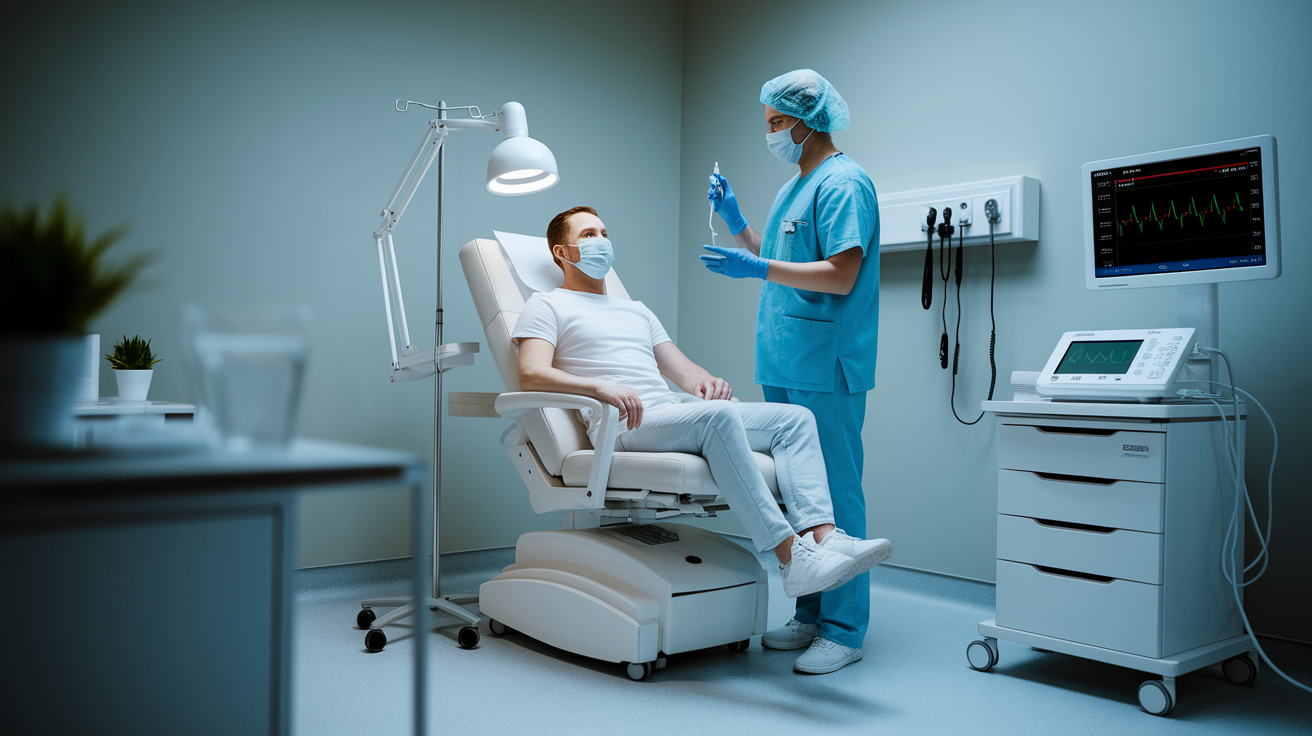
You’ll stick around the clinic for 15 to 30 minutes after your injection. This isn’t busy work. Your provider’s watching for dizziness, vasovagal response, or allergic reaction. Most of that risk lives in this window.
Soreness is normal. Expect 2 to 5 out of 10 during the first day or two. Some people hit 3 to 7 out of 10 between Days 1 and 3, especially if the injection included tissue disruption or a platelet-rich prep.
Swelling and mild bruising can show up within six hours and peak around Day 2. That’s your inflammatory response doing its job, not a sign something went sideways. Ice the area for 15 to 20 minutes at a time. Skip baths, hot tubs, and pools for 48 hours to keep infection risk low. No strenuous activity, heavy lifting, or high-impact movement for the first 24 to 48 hours. If you got a knee or hip injection, driving might feel uncomfortable. Bring someone.
Think about your first day back at work. Desk jobs are usually fine within 24 hours. Manual labor jobs might need two or three days off. How you handle these first restrictions sets the tone for the next few weeks.
First 6 hours: Stay off the joint. Light walking to the bathroom or kitchen is fine. Skip stairs and prolonged standing.
When to ice: 15 to 20 minutes every 2 to 3 hours during the first 72 hours. Wrap the pack in a towel.
Pain peak timing: Days 1 to 3. It’ll feel worse before it gets better.
Allowed movement: Gentle range of motion like slow ankle circles or shoulder rolls. No loaded stretches or resistance.
Medication rules: Acetaminophen at 650 mg is fine. Avoid NSAIDs like ibuprofen or naproxen for at least 2 weeks, ideally up to 6 weeks.
When to call the provider: Pain above 7 out of 10, red streaking from the injection site, fever above 100.4°F, or swelling that increases after Day 2.
Early Joint Injection Recovery Timeline (Week 1)

Week 1 sits in the middle of the inflammatory phase. Pain can still hit 3 to 7 out of 10, especially if you move the joint too quickly or try to bounce back too soon. Swelling should plateau by Day 5 or 6. Bruising often looks worse before it fades, cycling through purple, green, and yellow as your body clears the blood.
Light walking around your home or neighborhood is allowed. Keep the pace slow and the distance short. Very gentle range of motion exercises help prevent stiffness without overloading healing tissue. Think slow pendulum swings for the shoulder or seated knee bends. Avoid anything that causes sharp pain or makes the joint feel unstable.
NSAIDs stay off-limits this entire week. They can mess with platelet signaling and growth factor release. Stick with acetaminophen if you need pain relief. Continue intermittent icing if swelling persists past Day 3.
Joint Injection Recovery Timeline for Weeks 2 to 4

Week 2 marks the decline of acute inflammation. Most people notice the constant soreness backing off. Swelling becomes less noticeable. This is when you can begin supervised physical therapy and add light cardio like easy walking or stationary cycling. Keep resistance and impact minimal. Your goal is circulation and controlled motion, not strength or endurance gains yet.
Week 3 falls into the proliferative phase. Your body starts laying down new collagen and repair tissue. Pain should drop to 1 to 3 out of 10 during rest. Certain movements may still produce 3 to 5 out of 10 discomfort. Start low-load strengthening under the guidance of a physical therapist. Resistance bands, partial body weight exercises, and isometric holds are typical. Avoid unsupervised impact activities like running, jumping, or heavy lifting.
By Week 4, most people feel functional enough to resume daily tasks without modification. You might notice improved tolerance for stairs, prolonged standing, or light household chores. Pain during these activities should stay under 3 out of 10. If soreness spikes above that level or lingers more than 24 hours after an activity, you’re pushing too hard. Scale back and let the tissue catch up.
| Week | Expected Progress |
|---|---|
| Week 2 | Inflammation subsides; light walking and cycling permitted; physical therapy begins; pain drops to 2–4/10 range. |
| Week 3 | Proliferative phase advances; low-load strengthening starts; range of motion improves; avoid impact and heavy resistance. |
| Week 4 | Daily function improves; stairs and standing feel easier; pain under 3/10 during normal tasks; reassess activity tolerance. |
Mid-Term Recovery Timeline for Joint Injections (Weeks 4 to 12)

Between Weeks 4 and 6, measurable strength improvements often appear. You might notice you can climb stairs without favoring the injected side, carry groceries without compensation, or hold a plank longer than before the injury. Pain during rest should be minimal or absent. Supervised resistance progression continues in physical therapy. Focus stays on controlled eccentric loading and functional movement patterns. High-impact activities like running or jumping remain off-limits unless your provider clears you based on functional testing and pain response.
Weeks 7 through 10 represent the remodeling and maturation phase. The new tissue your body laid down in Weeks 3 through 6 now reorganizes and strengthens. Most people reach their maximum benefit from a single joint injection during this window. Pain scores often drop to 0 to 2 out of 10. Functional scores improve enough to resume most hobbies and recreational activities. If you’re an athlete or have a physically demanding job, this is when sport-specific drills and work conditioning programs typically begin.
By Weeks 10 through 12, you should have a clear sense of how much the injection helped. If pain remains above 4 out of 10 or function hasn’t improved, your provider may recommend imaging, a second injection, or a shift in treatment strategy. For people who respond well, this is the point where return-to-sport testing happens. Functional assessments like single-leg hop tests, timed stair climbs, or loaded squat patterns help confirm readiness for high-demand activity. Clearance is individualized and shouldn’t be rushed.
Full Recovery Timeframe After Joint Injection Therapy (3 to 6 Months)

Most healing plateaus by 12 weeks for joint-focused injections. But if your injection targeted a tendon or ligament, the timeline stretches. Tendons remodel slowly because of limited blood supply. Peak clinical improvement often appears between Months 3 and 6. People with Achilles tendinopathy, rotator cuff tendinosis, or patellar tendinitis should expect a longer runway before they feel maximum relief. This doesn’t mean the injection failed. The biology just takes time.
Follow-up reassessment typically happens at 8 to 12 weeks. Tendon cases may need a second check-in at 4 to 6 months. If improvement stalls before Month 3, your provider may suggest adjustments to your rehab plan, a repeat injection, or additional imaging to rule out structural damage that won’t respond to injections alone. Some conditions require a series of two or three injections spaced four to six weeks apart, especially in chronic degenerative cases.
Month 3 improvements: For tendons, people often report the first noticeable functional gains around this mark. Pain drops during loaded activities and strength begins to normalize.
Strength normalization: By Month 4 to 6, strength deficits typically resolve if rehab has been consistent. Compare side-to-side measurements to confirm symmetry.
Sports reintroduction: Sport-specific training usually starts around Month 3 for tendon injuries. Full clearance comes closer to Month 6 depending on the demands of the sport.
Slower than expected recovery signs: Pain still above 5 out of 10 at Month 3, no improvement in function scores, or worsening symptoms with light activity all suggest the need for reassessment.
Repeat injection timing: If progress plateaus before Month 3 and imaging shows no new damage, a second injection is often considered around the 8 to 12 week mark.
Comparing Recovery Timelines Across Injection Types
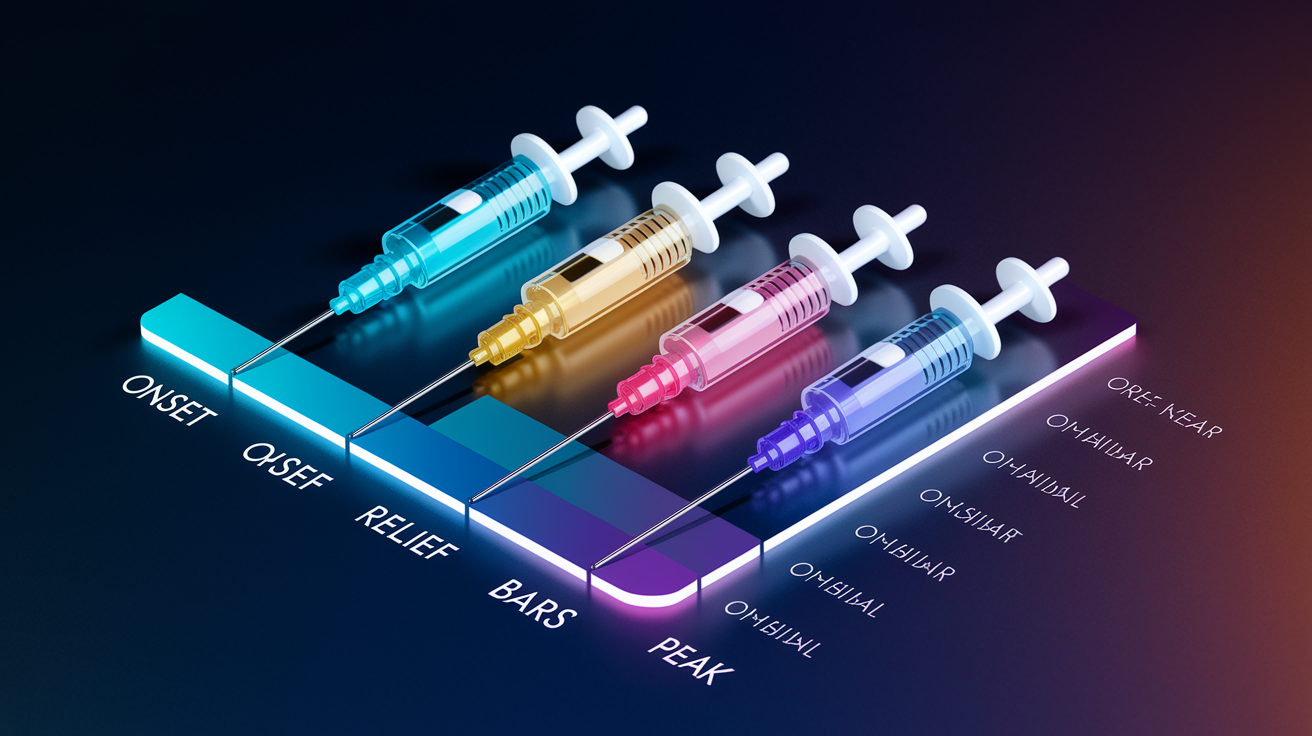
Not all joint injections follow the same recovery arc. Corticosteroid injections offer the fastest symptom relief, often within 24 to 72 hours. They suppress inflammation aggressively. Pain reduction peaks around one to two weeks, but the effect typically wears off over the next few months. Steroids don’t promote tissue repair, so function may return to baseline or worsen once the anti-inflammatory effect fades.
Hyaluronic acid injections take longer to show benefit. People usually notice improvement starting around Week 2 to 4, with peak relief appearing between Weeks 8 and 12. The mechanism is different. Hyaluronic acid acts as a lubricant and may have modest anti-inflammatory properties, but it doesn’t directly stimulate healing like biologics do. Some people maintain benefit for six months or longer. Others see diminishing returns after three to four months.
Platelet-rich plasma injections sit in the middle for onset but offer a different recovery shape. Initial soreness is common during the first week. Real improvement typically begins around Weeks 2 to 4. Maximum benefit appears at 8 to 12 weeks for joint injections and 3 to 6 months for tendon or ligament cases. The trade-off is durability. People who respond well to PRP often report sustained improvement lasting one to two years, especially in mild to moderate osteoarthritis.
| Injection Type | Onset of Relief | Peak Improvement | Notes |
|---|---|---|---|
| Corticosteroid | 24–72 hours | 1–2 weeks | Fast symptom relief; effect fades over months; may inhibit tissue repair. |
| Hyaluronic Acid | 2–4 weeks | 8–12 weeks | Acts as lubricant; modest anti-inflammatory benefit; variable durability. |
| Platelet-Rich Plasma | 2–4 weeks (joints); 4–12 weeks (tendons) | 8–12 weeks (joints); 3–6 months (tendons) | Initial flare common; promotes tissue repair; longer-lasting relief in responders. |
Factors That Influence Your Recovery Timeline After Joint Injections
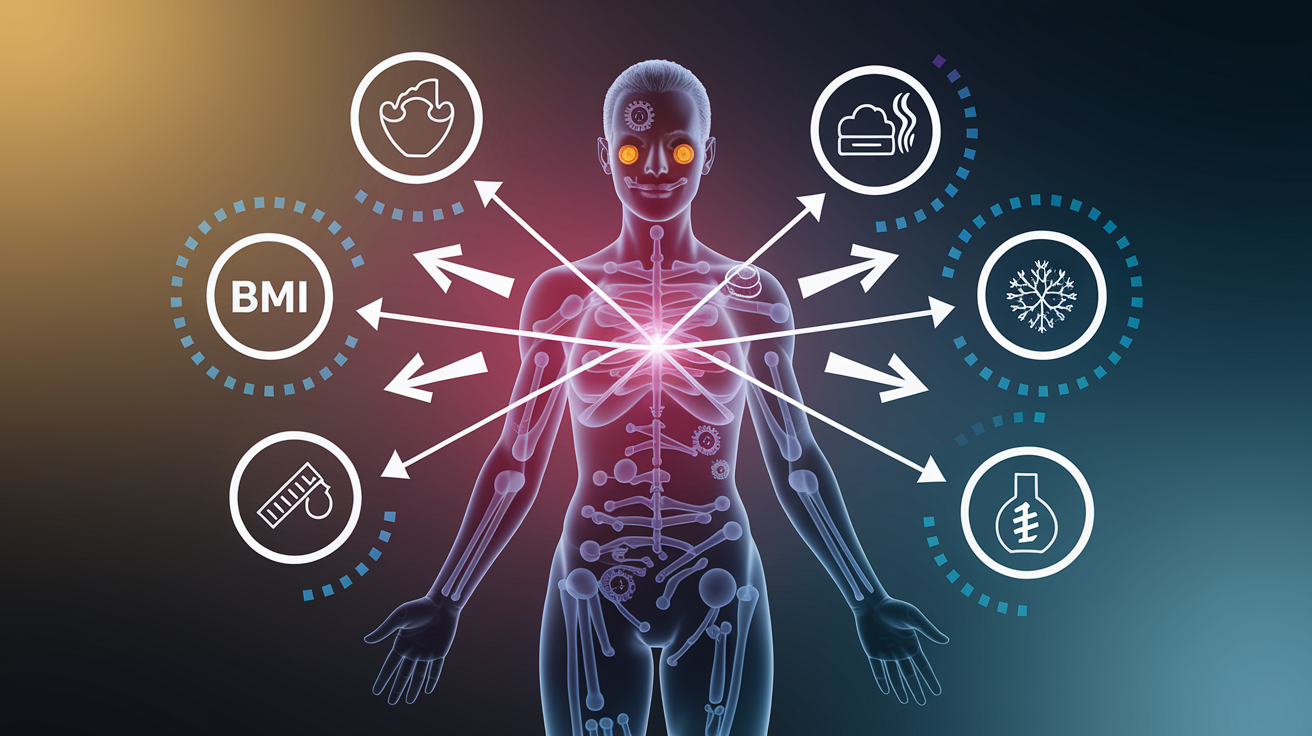
Age affects healing speed. Younger people typically recover faster because their cells turn over more quickly and inflammatory regulation is tighter. After age 50, tissue repair slows. The risk of chronic low-grade inflammation rises, which can extend the timeline by several weeks.
Metabolic conditions like diabetes and hypothyroidism impair tissue healing. Elevated blood sugar damages small blood vessels and slows collagen production. People with poorly controlled diabetes may see their recovery stretch an extra four to eight weeks. Autoimmune diseases add another layer of complexity because the immune system may interfere with the repair signals the injection is trying to trigger.
Bodyweight and systemic inflammation overlap. Higher body mass index correlates with more baseline inflammation, which can amplify the initial post-injection flare and slow the transition into the proliferative phase. Excess weight also increases joint loading. Even if tissue heals well, functional improvement may plateau if mechanics don’t improve.
Age: People over 50 often need an additional 2 to 4 weeks to reach the same functional milestones as younger people.
Metabolic conditions: Diabetes, hypothyroidism, and insulin resistance can delay healing by 4 to 8 weeks or more if not well managed.
Bodyweight and inflammation: Higher BMI and chronic low-grade inflammation extend the inflammatory phase and slow strength gains.
Smoking and alcohol: Both impair circulation and cellular function. Avoid smoking and limit alcohol for at least the first 3 days, ideally longer.
Nutrition: Protein intake below 0.8 grams per kilogram of body weight slows collagen synthesis. Aim for whole foods and adequate micronutrients.
Physical therapy adherence: Skipping PT sessions or self-directing progression without guidance increases setback risk and delays recovery.
Injection technique: Precision matters. Ultrasound-guided injections improve accuracy and may reduce flare severity and duration.
Activity Restrictions and Return-to-Movement Timeline After Joint Injections

Desk work is usually fine within 24 hours. You may need to adjust your chair height or take more frequent breaks to shift positions. Cognitive work and light computer tasks don’t interfere with healing. Manual labor jobs that involve lifting, squatting, or prolonged standing typically require two to three days off, sometimes longer if the injection targeted a weight-bearing joint like the knee or ankle.
Running and high-impact activities stay off the table during the first two to four weeks. Even if pain drops quickly, the tissue hasn’t remodeled enough to handle repetitive loading. Most providers clear people for light jogging or impact drills around 8 to 12 weeks for joint injections. Tendon cases may need to wait until Month 4 or beyond. Returning to impact too early is one of the most common reasons recovery plateaus or regresses.
Sport-specific training follows a progression that mirrors your tissue’s capacity. Start with movement quality drills and low-speed patterns. Progress to higher speeds and loaded movements only after pain stays under 2 out of 10 during and after activity. Full sport clearance for competitive or high-demand activities often takes three to six months for tendon injuries and 8 to 12 weeks for joint-focused injections, assuming functional testing confirms readiness.
Walking: Allowed immediately at a slow pace. Progress distance and speed gradually starting Week 2.
Light cardio: Stationary cycling and swimming permitted around Week 2. Keep intensity low and monitor joint response.
Strengthening: Low-load resistance begins Week 3 under supervision. Progress resistance by no more than 10 to 15 percent per week.
Impact activities: Running, jumping, and plyometrics typically delayed until Week 8 to 12 for joints; Month 4 to 6 for tendons.
Sport readiness testing: Functional assessments like hop tests, agility drills, and loaded movement screens confirm clearance.
Full sport return: Competitive or high-demand sport participation resumes only after passing functional tests and maintaining pain under 2 out of 10 during sport-specific drills.
Warning Signs and When to Seek Medical Attention During Recovery
Severe pain above 7 out of 10 that doesn’t improve with rest, ice, and acetaminophen isn’t normal. Contact your provider within 24 hours if this happens, especially if the pain worsens instead of plateaus. Sharp, stabbing pain that appears suddenly after the first week may indicate a complication or unrelated injury that needs imaging.
Signs of infection require immediate attention. Red streaking spreading from the injection site, fever above 100.4°F, excessive warmth around the joint, or foul-smelling drainage all suggest bacterial infection. Don’t wait. Call your provider the same day or visit urgent care if the clinic is closed. Infections after joint injections are rare but can cause serious joint damage if not treated quickly.
Pain above 7 out of 10: Especially if it persists beyond Day 3 or worsens after initially improving.
Fever: Temperature above 100.4°F within the first week after injection.
Red streaking or excessive warmth: May indicate spreading infection. Requires same-day evaluation.
Swelling that increases after Day 3: Should be decreasing by this point. Worsening swelling warrants a call.
Functional decline: If your knee, shoulder, or other joint feels weaker or more unstable than before the injection, report it within 48 hours.
Home Care Strategies to Support Your Joint Injection Recovery Timeline

Ice remains your best tool during the first 72 hours. Apply a wrapped ice pack for 15 to 20 minutes every two to three hours while you’re awake. After Day 3, ice as needed if swelling or soreness flares after activity. Avoid heat during the first week because it can increase swelling and prolong the inflammatory phase.
Acetaminophen at 650 milligrams is permitted for pain management. Avoid all NSAIDs, including ibuprofen, naproxen, and aspirin, for at least two weeks and ideally up to six weeks. NSAIDs interfere with platelet function and growth factor signaling, which can blunt the injection’s effect. If acetaminophen isn’t controlling your pain, contact your provider before reaching for an NSAID.
Hydration supports cellular function and helps your body clear metabolic waste from the healing site. Aim for four glasses of water the day before your injection and three glasses within three hours of your appointment. Continue drinking water consistently throughout recovery. Pair hydration with a protein-rich diet to support collagen synthesis. Whole foods, lean proteins, and colorful vegetables provide the micronutrients your cells need to repair tissue efficiently.
Ice application: 15 to 20 minutes every 2 to 3 hours during first 72 hours. Continue as needed if activity causes flare.
Pain medication: Acetaminophen 650 mg permitted. Avoid NSAIDs for 2 to 6 weeks.
Hydration: 4 glasses the day before injection; 3 glasses within 3 hours of appointment; maintain steady intake during recovery.
Nutrition: Prioritize protein (0.8 to 1.0 grams per kilogram of body weight). Include anti-inflammatory foods like fatty fish, leafy greens, and berries.
Sleep: Aim for 7 to 9 hours per night. Tissue repair accelerates during deep sleep phases.
Elevation: Keep the injected joint elevated above heart level for the first 24 to 48 hours to reduce swelling.
Compression: Light compression sleeves or wraps may help manage swelling. Avoid tight wraps that restrict circulation.
Movement: Gentle range of motion exercises prevent stiffness. Follow your provider’s specific instructions for frequency and range.
How to Track Your Progress Throughout the Joint Injection Recovery Timeline
Tracking lets you see patterns that memory alone will miss. Use a simple 0 to 10 pain scale and log your score at the same time each day. Note your pain at rest, during light activity, and after any new movement or exercise. A clinically meaningful improvement is a 1.37-point drop on the Visual Analog Scale. If you start at 6 out of 10 and drop to 4.5 by Week 8, that’s a real change, not just day-to-day variation.
Function matters as much as pain. Track specific tasks like how many stairs you can climb without stopping, how long you can stand without discomfort, or whether you can carry a gallon of milk without compensating. These practical markers often improve before pain fully resolves. Typical clinical reassessment happens at 8 to 12 weeks, so having a written log helps you and your provider make informed decisions about next steps.
| Week | Pain Score Target | Functional Indicators |
|---|---|---|
| Week 2 | 4–6/10 at rest; 5–7/10 with light activity | Can walk 5–10 minutes without limping; stairs manageable one step at a time. |
| Week 6 | 2–4/10 at rest; 3–5/10 with moderate activity | Can walk 20–30 minutes; climb full flight of stairs; carry light groceries without compensation. |
| Week 12 | 0–2/10 at rest; 1–3/10 with activity | Return to most daily tasks; can perform low-impact exercise; sport-specific drills begin for cleared patients. |
Final Words
Expect the first 72 hours to feel tender, a week of peak inflammation, then steady gains through weeks 2–4 and measurable improvement by months 2–3. Treat each phase like a short training block: rest, gentle movement, then progressive strengthening.
Watch for red flags, keep notes on pain and function, and ask your provider for itemized follow-up plans if things stall.
Use this timeline for recovery after joint injection therapy as a practical guide—take it slow, stay consistent, and you’ll likely see steady, workable progress.
FAQ
Q: How long to rest after joint injection?
A: Rest after a joint injection is usually 24–48 hours avoiding strenuous activity, with impact activities limited for 2–4 weeks; avoid hot tubs for 48 hours and do gentle movement as tolerated.
Q: What happens if I don’t rest after a cortisone injection?
A: If you don’t rest after a cortisone injection, you can get increased pain or swelling, a short-term flare, and the shot may work less well; watch for worsening symptoms and call your provider if concerned.
Q: Is walking ok after a knee injection?
A: Walking after a knee injection is usually okay; gentle walking helps stiffness. Avoid long walks, running, or heavy loading for 24–48 hours, and follow your provider’s guidance for higher-impact return.