
Think stem cell therapy will fix your knee overnight? Think again.
You’ll go home the same day, but expect pain, swelling, and slow gains over months.
This post gives a clear recovery timeline, what symptoms are normal, safe activity steps, and realistic results to expect by 3 to 12 months.
It also covers what to ask about fees and follow-up care so you don’t get surprised.
Read on to plan your rehab, protect your knee, and make safer choices about workouts and costs.
Key Early Expectations After Knee Stem Cell Therapy
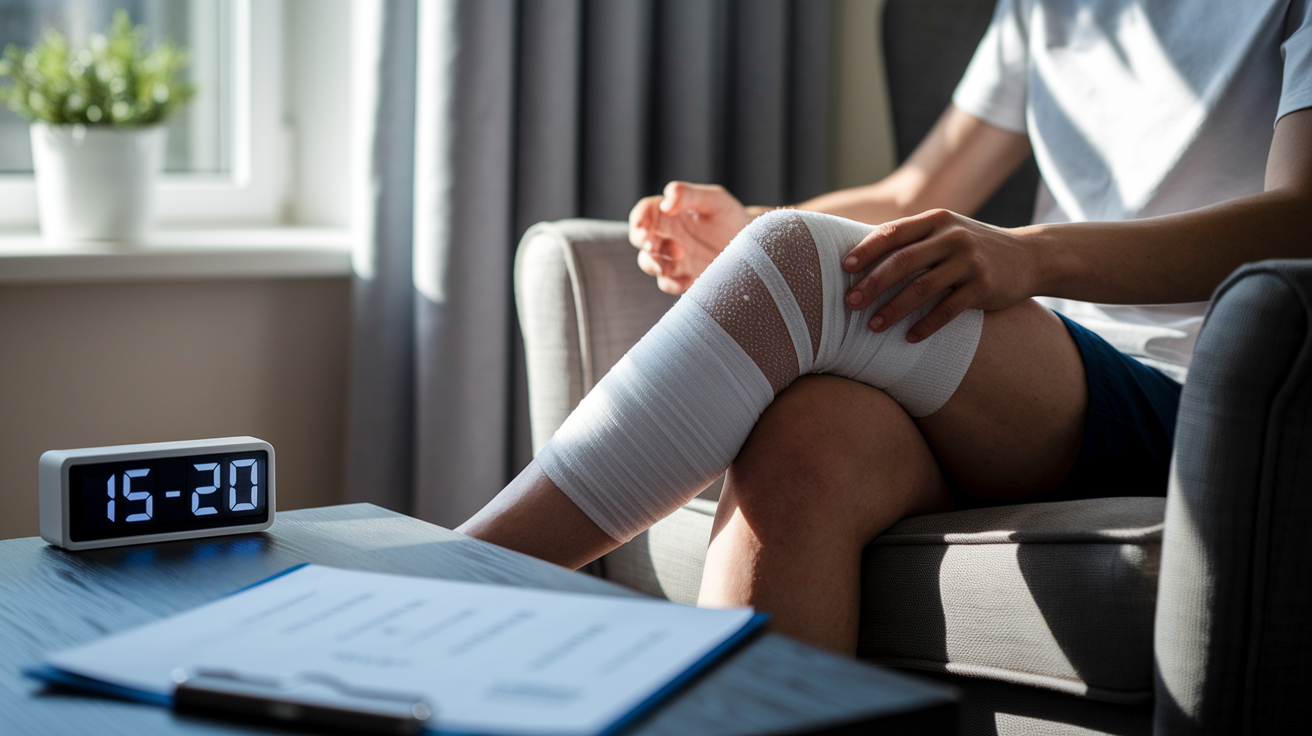
The first 48 hours don’t look like most people think they will. You’ll walk out the same day. No hospital stay, no waking up from general anesthesia. But you’re going to feel it. Mild to moderate pain, swelling, warmth, stiffness in the treated knee—all normal. Not signs something went wrong. Signs your body’s responding to the injection.
Your discharge instructions will say rest, elevation, ice. Rest means actually rest for about 1 to 2 days. Not “I’ll take it easy while I run errands.” Ice helps with inflammation. Apply it for 15 to 20 minutes at a time to keep swelling in check. Heat’s only for muscle spasms away from the injection site, and even then, be careful. If you’ve got high pain tolerance, heat can mask tissue damage. Stick with ice unless your provider tells you otherwise.
You’ll also be told to avoid certain medications. NSAIDs like aspirin, ibuprofen (Advil, Motrin), and naproxen (Aleve) are off the table because they mess with the inflammatory process your stem cells need. That inflammatory response might be uncomfortable, but it’s part of the healing. Shut it down too early and you’re blunting your own results.
What’s normal early on and what to do:
- Mild to moderate pain in the treated knee for the first few days
- Noticeable swelling and warmth around the injection site
- Stiffness or reduced range of motion for a bit
- Light bruising at the injection site (common, harmless)
- No real improvement in knee function yet—healing takes time
Recovery Timeline and Safe Activity Progression After Knee Stem Cell Therapy
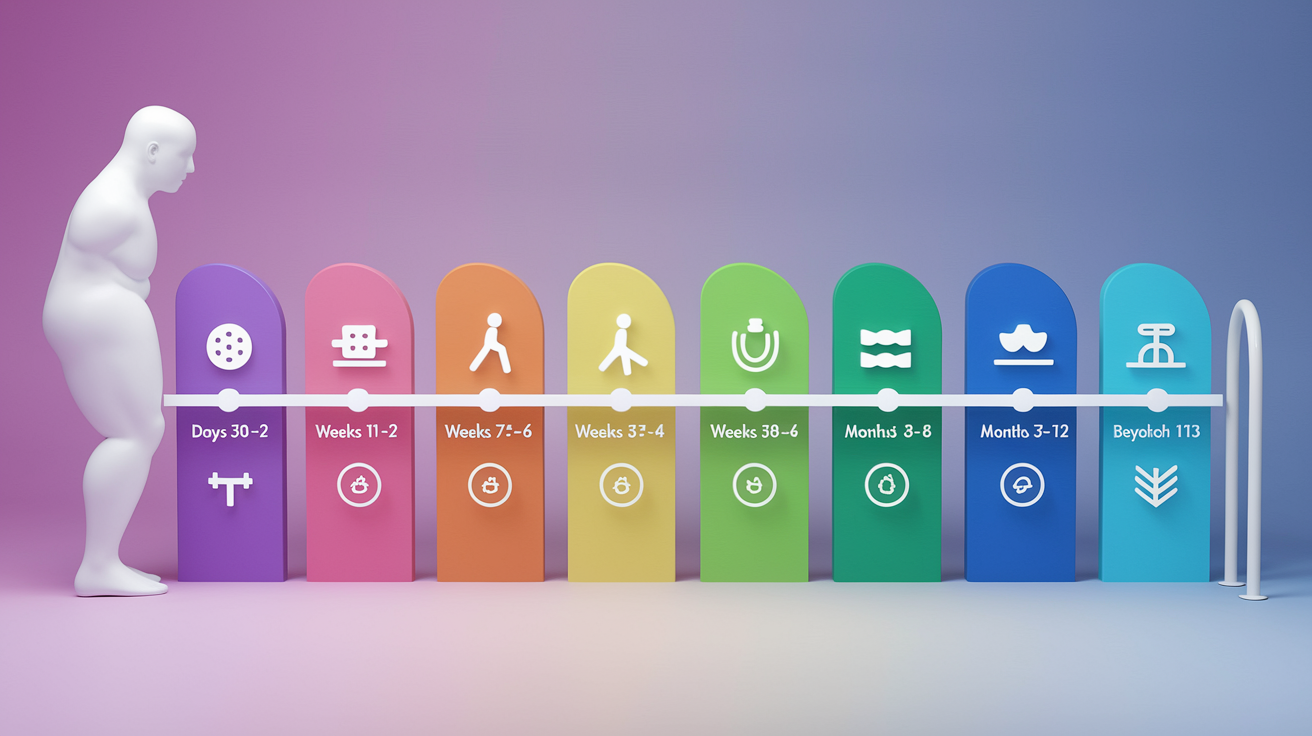
Your recovery isn’t a straight line. It’s phased. Matches what your stem cells are doing inside the knee. Understanding the timeline helps you avoid doing too much too soon or sitting still when you should be moving.
Days 0 to 2: Rest the treated knee. Follow all post-procedure restrictions. This is the acute phase. Your knee’s adapting to the injection, you’re managing early discomfort with ice and elevation. Don’t expect to feel better yet. You’re planting seeds, not harvesting anything.
Weeks 1 to 2: Acute inflammation phase. Your immune system floods the area with white blood cells and healing factors, so swelling can actually get worse before it gets better. That’s expected. Keep walking short distances, but limit stairs and avoid heavy lifting. This isn’t the time to test your knee or “see how it feels” with extra activity. Movement’s allowed. Overdoing it isn’t.
Weeks 3 to 4: Begin gentle, no-impact mobility work. Short walks, pool jogging, or the elliptical at very low resistance. The goal is movement without compression or impact. Your knee’s still early in the regenerative process, and you’re protecting it while keeping circulation and range of motion active.
Weeks 5 to 6: Introduce very light resistance and moderate stretching. Pilates, gentle yoga, similar low-load activities are typically safe now. What’s not safe: squats, leg lifts, calf raises, deep lunges, or any movement that compresses or twists the knee joint under load. These are still off the table until your provider clears them.
Weeks 7 to 8: Aerobic exercise can return, but only if it doesn’t cause pain. If an activity hurts, stop. Pain is a signal, not a challenge to push through. You’re still months away from the point where your stem cells are at peak activity, so patience here pays off later.
Months 3 to 6: This is when stem cells reach their most potent phase. Biologically, this is the window where the most meaningful tissue remodeling happens. You’ll likely notice clearer functional improvements. Less pain during everyday tasks, better range of motion, fewer limitations. Strengthening can progress during this phase, but the knee should still be protected from undue stress or high-impact loading.
Months 6 to 12: Tissue remodeling continues. Many patients report ongoing gains in comfort and function well into the first year. The timeline varies by individual, injury severity, and how well you’ve followed activity guidelines. Some people plateau earlier. Others see steady, incremental improvements for the full 12 months.
Safe activity progression, step by step:
- Days 0 to 2: Rest, ice, elevate. Follow all restrictions.
- Weeks 1 to 2: Limited walking. Avoid stairs and lifting.
- Weeks 3 to 4: Gentle walks, pool work, elliptical at very low intensity.
- Weeks 5 to 6: Light resistance, stretching. No compression exercises.
- Weeks 7 to 8: Begin low-impact aerobics. Stop anything that causes pain.
- Months 3 to 6: Progressive strengthening under guidance. Protect the knee from high stress.
- Months 6 to 12: Continued gains. Activity levels depend on response and provider clearance.
- Beyond 12 months: Long-term function varies. Follow-up and maintenance matter.
Pain Management and Medications After Knee Stem Cell Therapy

Pain control after stem cell therapy isn’t about eliminating all discomfort. It’s about managing symptoms without interfering with the healing process. That means the usual grab-for-ibuprofen approach doesn’t work here. NSAIDs block the inflammatory signals your stem cells rely on to rebuild tissue, so they’re off the table during early recovery.
Ice is your primary tool for managing inflammation and discomfort. Apply it in short intervals, 15 to 20 minutes at a time, especially during the first two weeks when swelling peaks. Heat can help with muscle spasms away from the injection site, but use it carefully. If your pain tolerance is high, you might not notice if heat’s causing more harm than good. Mild bruising around the injection site is normal and will fade on its own.
Medications and supplements to avoid during recovery:
- Aspirin (Bayer, Bufferin)
- Ibuprofen (Advil, Motrin)
- Naproxen (Aleve)
- Turmeric supplements (anti-inflammatory effect)
- Arnica (anti-inflammatory effect)
- Any other NSAID or anti-inflammatory supplement unless your provider explicitly clears it
Physical Therapy and Rehabilitation After Knee Stem Cell Therapy
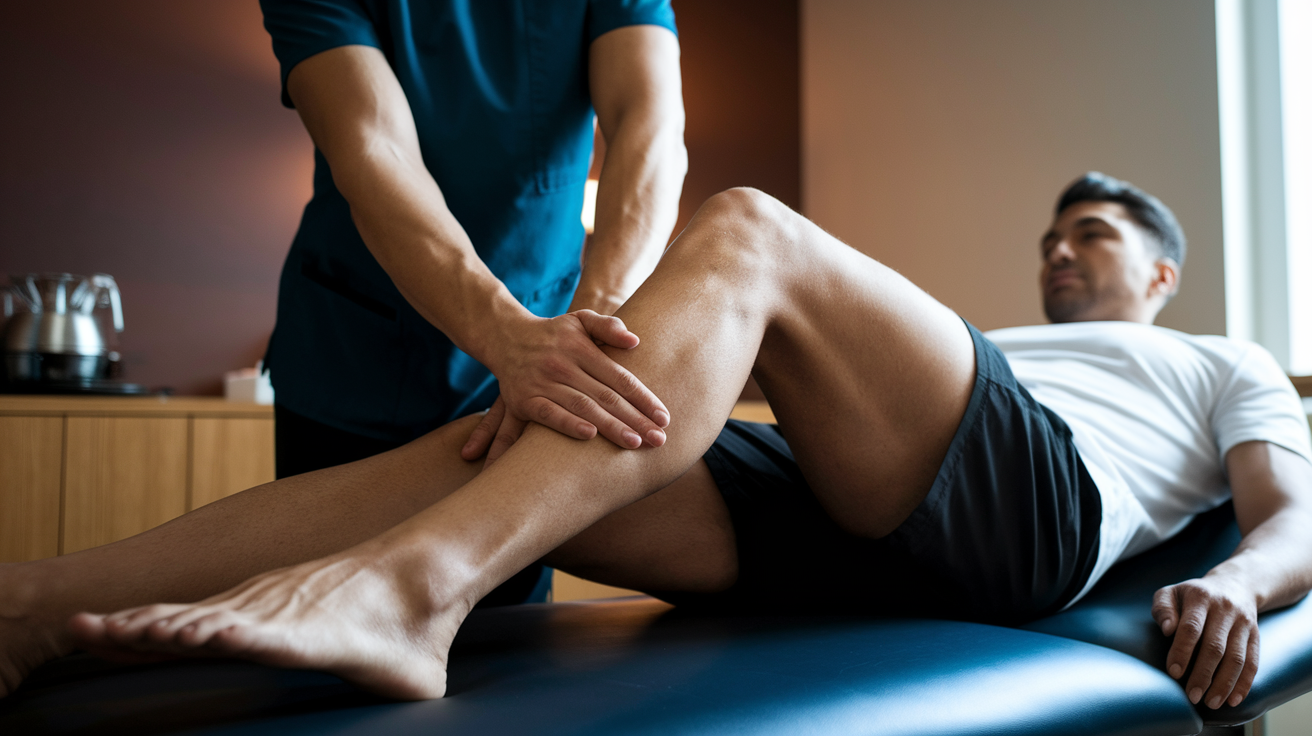
Physical therapy can support your recovery, but it has to be the right kind of PT. Many standard post-op joint rehab protocols, designed for surgical patients, are not appropriate for stem cell patients. Compression exercises, aggressive stretching, and early loading that would be fine after a knee scope or replacement can actually interfere with stem cell activity and healing.
Start PT only after your doctor clears you. When you do begin, make sure your therapist understands stem cell specific protocols. That’s not a given. You may need to bring documentation from your provider or ask your therapist to coordinate directly with the clinic. Early rehab focuses on gentle mobility and range-of-motion work. Weeks 5 to 6 introduce light resistance. Aerobic activity returns in weeks 7 to 8. Strengthening progresses cautiously through months 3 to 6, when stem cells are most active.
The goal is individualized planning. Your PT should be communicating regularly with your physician, adjusting the program based on how your knee responds, and checking in with you about pain, swelling, and function. If something doesn’t feel right, speak up. Your body’s feedback matters more than any standard timeline.
Questions to ask your physical therapist:
- Are you familiar with post-stem-cell rehab protocols, or do you need guidance from my provider?
- What specific exercises or movements should I avoid during each phase of recovery?
- How will we track progress and adjust the program if my knee isn’t responding as expected?
- When should I contact my doctor instead of continuing therapy?
Expected Healing and Biological Changes After Stem Cell Therapy
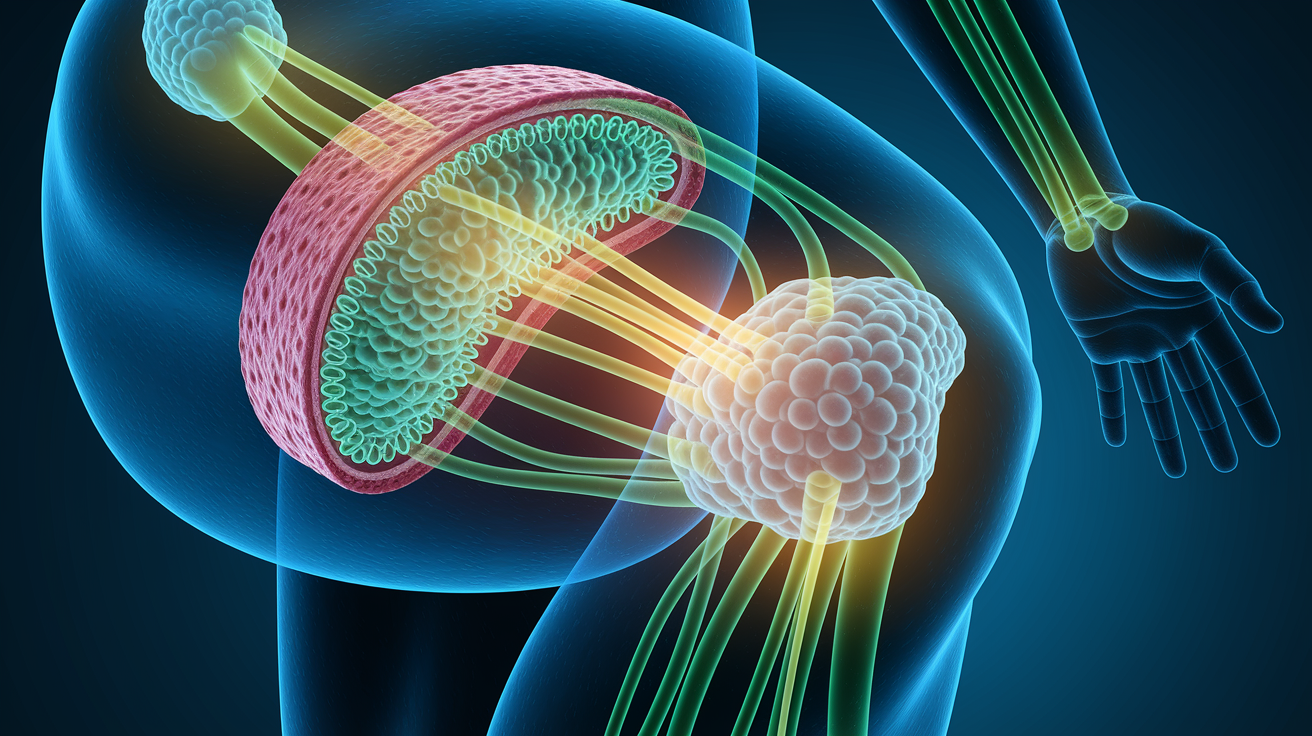
Stem cell therapy doesn’t work on a light-switch timeline. The cells don’t “fix” your knee overnight. They start a biological process that unfolds over months. In the first few weeks, inflammation dominates. Your immune system is clearing damaged tissue and preparing the area for repair. Functional improvement during this phase is minimal, and you might even feel worse temporarily as swelling peaks.
The most active healing window occurs between months 3 and 6. This is when stem cells are working at their highest capacity, signaling tissue remodeling, reducing chronic inflammation, and potentially supporting cartilage repair depending on the severity of your damage. You’ll likely notice clearer functional gains during this phase. Less pain when getting up from a chair, easier stair navigation, improved tolerance for walking or standing.
Tissue remodeling continues beyond month 6. Many patients report ongoing improvements up to 12 months post-procedure. That doesn’t mean you’ll see dramatic changes every week, but gradual, incremental gains in comfort and mobility are common. The biology takes time. Early results are not the final results, and patience during the first few months is part of the process.
Returning to Work, Exercise, and Daily Activities After Knee Stem Cell Therapy

Most patients can return to normal daily activities within 2 to 3 days after the procedure. “Normal” means low-demand tasks. Desk work, light household chores, short errands. If your job involves heavy lifting, prolonged standing, or repetitive knee stress, you’ll need more time and possibly modified duties during early recovery.
Return to sport or high-impact exercise depends on the activity and your individual healing response. Low-impact cardio can resume in phases starting around weeks 3 to 4. Higher-impact activities like running, jumping, cutting sports typically wait until months 3 to 6 or longer, and only with provider clearance. Driving restrictions depend on pain levels and your ability to control the pedals safely. If your treated knee is your driving leg and you’re still having significant discomfort or delayed reaction time, wait.
Broad return-to-activity milestones:
- Days 2 to 3: Light daily tasks, desk work, short walks around the house
- Weeks 1 to 2: Limited errands, avoid prolonged standing or stair climbing
- Weeks 3 to 4: Gradual return to low-impact exercise and most non-strenuous work duties
- Months 3 to 6: Possible clearance for moderate activity and sport-specific training, depending on response
- Months 6 to 12: Continued activity progression based on function, pain levels, and provider guidance
Lifestyle Modifications to Support Knee Stem Cell Healing

Your body’s ability to heal depends partly on how you support it outside of formal rehab. Small, consistent habits can improve outcomes and protect your investment in treatment. Weight control matters. Extra pounds increase knee stress and slow recovery. Hydration supports cellular function and tissue repair. Sleep positioning can reduce overnight strain on the knee. Many patients find it helpful to sleep with a pillow between or under the knees to maintain neutral alignment.
Smoking and alcohol interfere with healing. Smoking constricts blood flow and reduces oxygen delivery to tissues. Alcohol can increase inflammation and mess with sleep quality. If you’re serious about results, minimize or eliminate both during the recovery period. Long-term NSAID use is also something to discuss with your provider. If you’ve been relying on daily ibuprofen or naproxen for chronic pain, you’ll need an alternative plan that doesn’t blunt stem cell activity.
Lifestyle habits that support recovery:
- Favor low-impact cardio like walking, pool work, or elliptical over high-impact or jarring activity
- Manage body weight to reduce knee stress and improve long-term joint health
- Stay hydrated to support cellular repair and reduce inflammation
- Use proper sleep positioning to avoid overnight strain on the treated knee
- Avoid smoking and limit alcohol during the recovery period
- Do not use NSAIDs or anti-inflammatory supplements long-term unless your provider clears them
Warning Signs and When to Contact Your Doctor After Knee Stem Cell Therapy
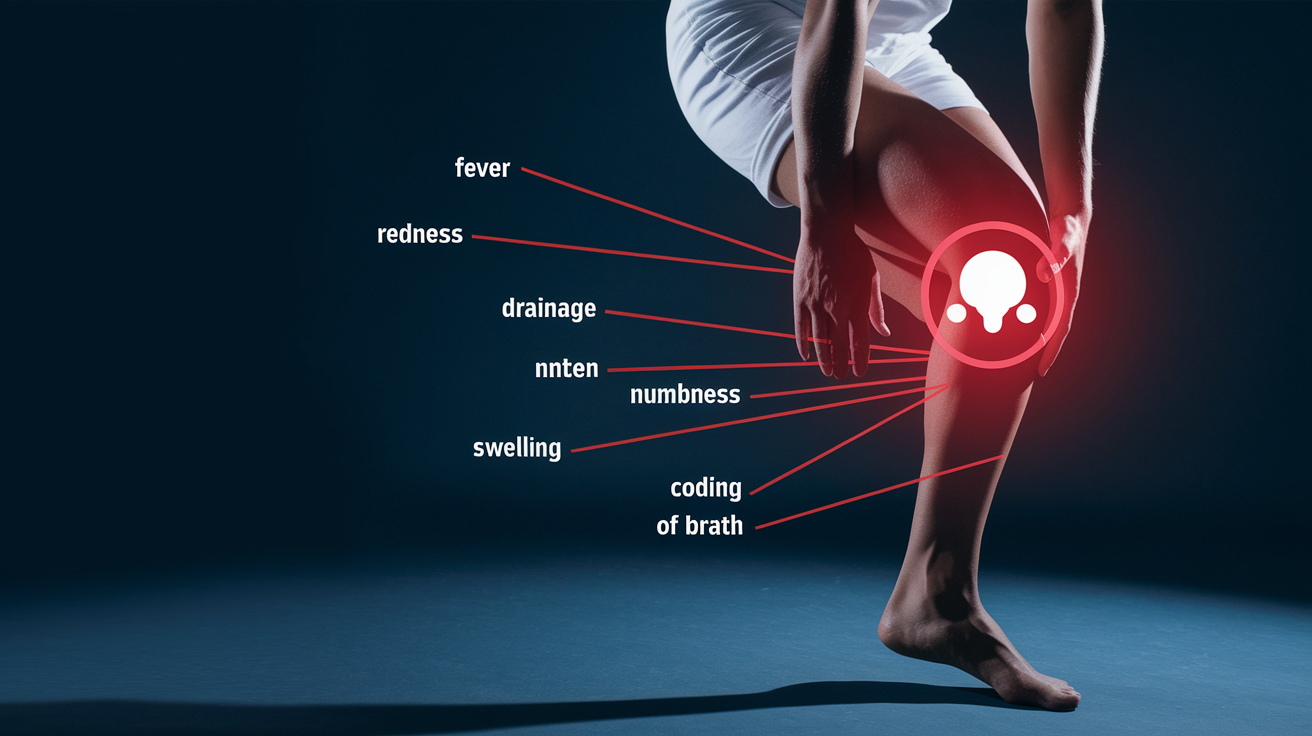
Most side effects after stem cell therapy are mild and expected. But some symptoms require immediate attention. Knowing the difference can prevent complications and give you peace of mind when normal discomfort occurs. If something feels off, don’t wait. Contact your provider or seek urgent care.
High or persistent fever is not normal. Neither is rapidly increasing redness, warmth, or swelling that goes beyond the expected inflammation of the first two weeks. Foul-smelling or increasing drainage from the injection site can signal infection. Uncontrolled pain that doesn’t respond to ice, rest, or approved pain medication is worth a call. New numbness, weakness, or tingling in the leg or foot can indicate nerve involvement. Calf swelling, especially if one leg is noticeably larger than the other, or sudden shortness of breath can be signs of a blood clot and require emergency evaluation.
Red flags that require immediate medical attention:
- Fever above 100.4°F (38°C) or persistent low-grade fever lasting more than 48 hours
- Increasing redness, warmth, or swelling that worsens after the first few days
- Foul-smelling or increasing drainage from the injection site
- Severe, uncontrolled pain that doesn’t improve with rest or approved treatments
- New numbness, weakness, or tingling in the treated leg or foot
- Calf swelling or sudden shortness of breath (possible deep vein thrombosis or pulmonary embolism)
Measuring Results and Long-Term Expectations After Knee Stem Cell Therapy
Results from stem cell therapy are gradual and vary by individual. Some patients notice functional changes as early as weeks 5 to 8. Less pain when standing from a seated position, easier movement through daily tasks, reduced reliance on pain medication. But these early improvements are often subtle. The most meaningful gains typically occur between months 3 and 6, when stem cells are at peak activity and tissue remodeling is most robust.
Improvement doesn’t mean “back to 18 years old.” It means measurable progress in pain, mobility, and function. A 60% improvement is clinically meaningful. That might look like going from avoiding stairs entirely to managing them with mild discomfort, or returning to recreational activity you’d given up. Some patients report 80% to 100% improvement depending on injury severity, tissue quality, and how well they follow post-procedure guidelines. Others plateau at 50% to 60%, which can still be enough to cancel a scheduled surgery or return to work without daily pain medication.
Gains often continue up to 12 months. Tissue remodeling doesn’t stop at month 6, it just slows. Long-term durability depends on many factors. Your activity level, weight, adherence to lifestyle modifications, and whether you protect the knee from re-injury. In practices with years of regenerative medicine experience, many patients report sustained benefit without needing repeat procedures. But results are not guaranteed, and realistic expectations matter more than hype.
Track your progress with measurable markers. Use a simple pain scale (0 to 10) weekly. Note changes in range of motion, ability to perform specific tasks (squatting, kneeling, walking distance), and medication use. Share this information with your provider at follow-ups. These concrete data points help you and your doctor assess whether the treatment is working and what adjustments, if any, are needed.
Final Words
You’ll have mild pain, swelling, warmth, and stiffness in the first 48 hours. Rest 1 to 2 days, use ice for inflammation, avoid NSAIDs like aspirin or ibuprofen, and follow the clinic’s discharge steps.
Activity ramps slowly: gentle walking, PT when cleared, light resistance by weeks 5 to 6, and peak cell activity around months 3 to 6. Watch for red flags and keep helpful habits like sleep and hydration.
If you’re wondering what to expect after stem cell therapy for knee pain, expect gradual, measurable gains. Ask clear questions, stick to the plan, and stay optimistic about steady improvement.
FAQ
Q: What not to do after stem cell treatment for knee?
A: After stem cell treatment for the knee, don’t take NSAIDs (aspirin, ibuprofen, naproxen), avoid heavy lifting and high-impact exercise, skip early PT until cleared, and don’t apply heat to the injection site.
Q: Can you walk after knee stem cell injections?
A: You can usually walk after knee stem cell injections, but expect limited walking for the first 1–2 days, avoid stairs and long walks in weeks 1–2, and follow your provider’s walking plan.
Q: Can you take Tylenol after stem cell injection?
A: You can usually take Tylenol (acetaminophen) after a stem cell injection for pain; avoid NSAIDs and anti-inflammatory supplements, and check with your provider to confirm dose and timing.
Q: How long does it take for stem cells to work on your knee?
A: Stem cells for the knee often produce early functional change by weeks 5–8, peak activity around months 3–6, and gradual tissue remodeling can continue up to 12 months.