
Think all regenerative clinics are equally safe and honest? Think again.
The field is growing fast, and that growth brings both skilled teams and clinics that mainly chase profit.
Choosing the wrong clinic can cost you time, money, or worse, an avoidable infection or a treatment that does nothing.
This post gives the exact questions to ask about the physician, regulatory status, cell sourcing, outcome data, costs, and safety protocols so you can spot red flags, compare offers, and pick a clinic that puts safety and realistic results first.
How to Quickly Evaluate Whether a Regenerative Medicine Clinic Is Trustworthy

Trust isn’t optional when you’re researching regenerative medicine. The field’s growing fast, which means it’s attracting both serious professionals and people who just see dollar signs. Pick the wrong clinic and you’re looking at infections, failed treatments, drained savings, or worse.
The difference between legit and dangerous usually comes down to credentials, actual regulatory compliance, and whether they’ll answer uncomfortable questions without dodging.
Start here: verify that a licensed, board-certified physician will evaluate you, do the procedure, and handle your follow-up. Not a nurse. Not a “wellness consultant.” A physician with active, unrestricted licensure in your state and board certification from an ABMS-recognized body that matches your condition. Orthopedic surgery for joint problems, physical medicine and rehab for musculoskeletal stuff, sports medicine for athletic injuries. You can check license status in five minutes on your state medical board website.
Next, confirm the clinic operates under FDA guidelines and that any cell or tissue products comply with 21 CFR 1271. Real clinics won’t hesitate to explain their regulatory standing. And look for transparency: written treatment details, itemized costs, a clear consent form, outcome data for cases like yours. Not just testimonials.
Here are 10 questions to ask during your first contact:
- Is the physician who evaluates me the same person doing the procedure and managing follow-up?
- What’s the physician’s board certification, and is it current and unrestricted?
- How many procedures like mine has this physician performed, and over what timeframe?
- Does regenerative medicine represent at least 10% of this physician’s practice?
- Is the facility accredited by a recognized body, or does the physician hold hospital privileges?
- What FDA regulations apply to the treatment I’m considering, and how do you comply?
- Can I see peer-reviewed research or registry data for my specific diagnosis?
- Will I receive a written informed consent document before scheduling, with time to review it?
- What’s the total cost, including all fees, and what happens if the treatment doesn’t work?
- What’s your infection rate, complication log, and emergency transfer protocol?
Understanding Treatment Types and Their Scientific Basis
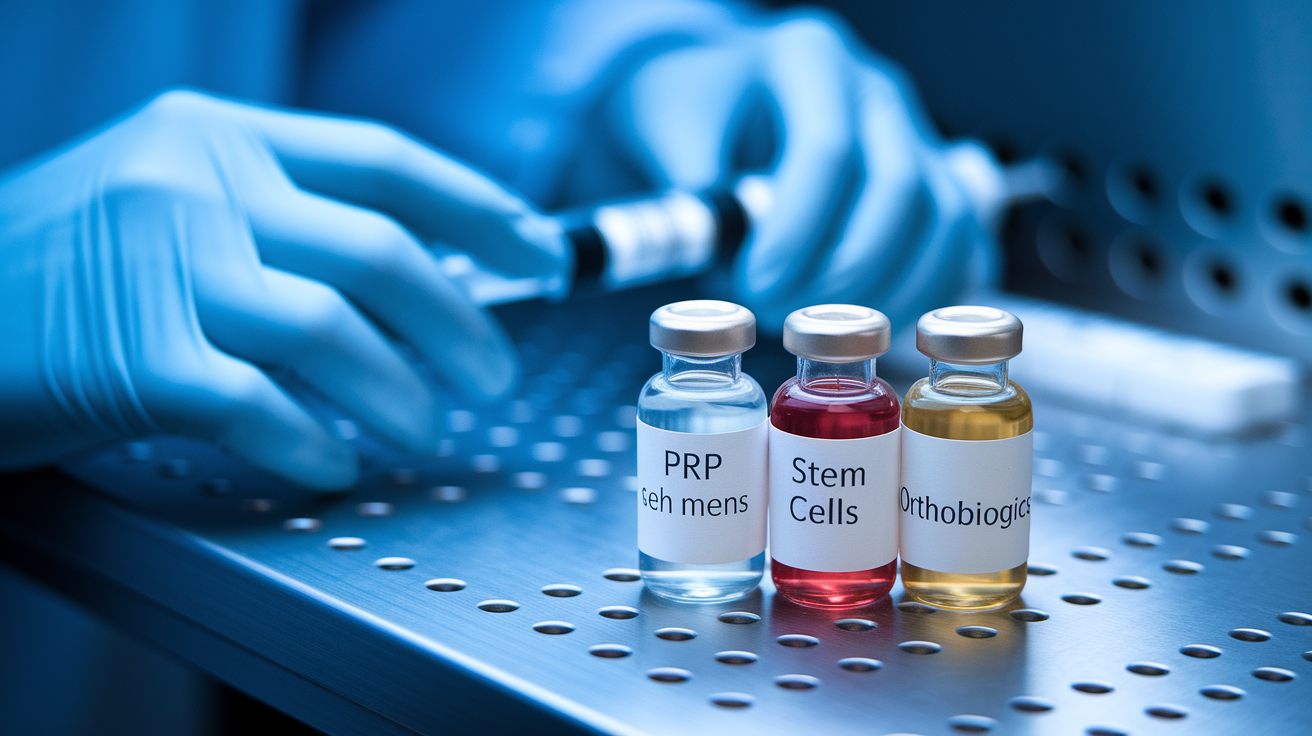
Regenerative medicine is an umbrella term. It covers several distinct treatments, each with different evidence levels, regulatory status, and suitability for what you’re dealing with.
Platelet-rich plasma (PRP) uses components from your own blood. It’s often considered lower risk and less regulated because it’s autologous and minimally manipulated. Stem cell procedures typically involve bone marrow aspirate or adipose-derived cells, and their regulatory status depends on how much the cells are processed. Orthobiologics may include growth factors, amniotic tissue, or donor-derived products. Some of those fall under stricter FDA oversight.
The key is knowing which category your treatment falls into and what level of evidence actually supports it for your specific condition.
A treatment might be FDA-approved for one use, part of a clinical trial, or entirely investigational. Clinics sometimes blur those lines in marketing. Ask whether the procedure is standard care, experimental, or investigational. Request peer-reviewed studies that match your diagnosis. Not general regenerative medicine research. If the clinic says “stem cells,” ask what type of cells, where they come from, how they’re processed, and whether the treatment’s been studied in patients with your exact condition.
Here are 5 specific questions to ask about treatment science:
- What type of regenerative treatment are you proposing, and what’s its FDA classification?
- Can you provide peer-reviewed research for this treatment in patients with my diagnosis?
- Is this treatment part of a clinical trial, and if so, who’s the sponsor and where is it registered?
- What’s the expected mechanism of action, and how long does it typically take to see results?
- What alternatives exist, and why is this treatment the best fit for my case?
Cell Sourcing, Handling, and Processing Standards

Where the cells come from and how they’re handled directly affects both safety and whether the treatment will actually work.
Autologous sources (your own bone marrow, blood, or fat) carry lower immune rejection risk but still require sterile processing. Donor-derived or allogeneic products introduce additional safety questions: donor screening, tissue testing, chain of custody, regulatory compliance. Some commercial “stem cell” vials contain no living cells at all. Bedside centrifuge systems often produce inconsistent cell counts and lower concentrations.
A legitimate clinic will explain its sourcing, show you the processing environment, and confirm that handling follows CDC-aligned sterility protocols or clean room standards.
Processing should happen in a controlled, closed system. Not an open lab where tissue is exposed to air and contamination risk increases. Ask whether the lab performs air quality and sterility checks, uses single-use equipment, and can provide precise cell counts rather than rough estimates. If the clinic’s using donor tissue, confirm that it comes from an FDA-registered tissue bank with full traceability and testing. If the cells are processed on-site, ask to see the lab classification and any third-party accreditation.
Key questions to ask regarding sourcing, handling, sterility, processing, storage, and traceability:
- What’s the source of the cells or tissue used in my treatment? Autologous or allogeneic?
- If donor tissue is used, how is the donor screened, and what testing is performed?
- Is processing done on-site in a closed, sterile environment, or sent to an external lab?
- What sterility and contamination controls are in place, and are they documented?
- How are cells counted, concentrated, and verified before reinjection?
- Can you provide chain of custody documentation and lot traceability for any donor material?
Facility Accreditation, Cleanliness, and Safety Protocols

Accreditation tells you whether the facility meets minimum safety and operational standards set by an independent body.
Look for accreditation from organizations like the Accreditation Association for Ambulatory Health Care (AAAHC) or certification by The Joint Commission. Accredited facilities undergo regular inspections covering infection control, emergency preparedness, equipment maintenance, and staff training. If the clinic isn’t accredited, ask whether the physician holds hospital privileges. Hospitals vet credentials and monitor outcomes, which adds a layer of accountability.
Infection risk with proper sterile technique is cited as less than 1%. But that number climbs sharply in environments that cut corners.
The clinic should follow CDC guidelines for sterility, use single-use needles and syringes, perform procedures in a clean or sterile room, monitor vital signs during treatment, and have emergency equipment on-site. Ask what happens if you experience a serious complication: Do they have an emergency transfer arrangement with a nearby hospital? Who’s responsible for follow-up care if something goes wrong?
During your visit, observe the physical space. Is it clean and well organized? Do staff wear appropriate protective gear? Are you asked about allergies, current medications, and medical history before any procedure is discussed?
A clinic that rushes you through intake or conducts treatments in a cluttered back office isn’t following proper protocols.
Don’t hesitate to ask: What’s your infection rate? How do you sterilize equipment? What emergency protocols are in place? Can I see your accreditation certificate? How often is this facility inspected?
Measuring Success Rates and Outcomes

Clinics that guarantee results or claim 100% success rates are lying.
Regenerative treatments work for some patients and not others. Outcomes depend on your diagnosis, overall health, treatment quality, and adherence to follow-up care. A credible provider will give you realistic ranges (“we see meaningful improvement in about 60 to 70% of patients with your condition”) and explain how success is measured.
Ask what counts as a successful outcome: pain reduction by a certain percentage, improved range of motion, return to activity, delayed surgery, or something else.
Measurement should be objective and documented. The clinic should use validated tools (pain scales, functional assessments, imaging) and track both short-term and long-term outcomes. Ask how many cases like yours they’ve treated, what their complication rate is, and whether they participate in a registry or publish their data.
If the clinic refuses to share numbers or only offers patient testimonials, that’s a warning sign.
Here’s what to ask: What percentage of patients with my condition report meaningful improvement? How do you define and measure success? How many patients with my diagnosis have you treated, and what were their outcomes? What’s your complication rate, and how do you track adverse events? Do you publish your results or participate in any outcome registries? What happens if I don’t improve, and is any refund or revision policy in place?
Recognizing Red Flags and Unsafe Practices

Some warning signs should make you walk away immediately.
Guaranteed cures, promises of 100% success, or claims that one treatment works for a dozen unrelated conditions (joints, neurological diseases, autoimmune disorders) are all red flags. Regenerative medicine isn’t a miracle fix. Any clinic that markets it that way is prioritizing sales over science.
Other red flags include pressure tactics. Limited time offers, same day discounts, or staff urging you to book before you’ve had time to review written materials or get a second opinion. Cash only payment, refusal to provide itemized pricing, or vague answers about what’s included in the cost are financial red flags.
On the clinical side, watch for missing physician involvement (sales staff making treatment recommendations), lack of written informed consent, no scheduled follow-up plan, and refusal to disclose the cell source, processing method, or regulatory status.
Here are 8 red flags that indicate a clinic may be unsafe or fraudulent:
- Guaranteed results or “100% success” claims
- Same protocol advertised for unrelated conditions with no condition-specific evidence
- High pressure sales tactics, limited time offers, or urgent booking demands
- Sales staff or non-physicians directing medical decisions
- No written informed consent or follow-up care plan
- Refusal to disclose cell source, FDA compliance, or regulatory status
- Cash only payment or unclear, incomplete pricing
- History of FDA warning letters, federal enforcement actions, or state disciplinary actions
What to Expect During a Consultation

A legitimate consultation should feel like a thorough medical evaluation. Not a sales pitch.
The physician (not a sales representative) should review your medical history, ask about your symptoms and goals, examine you, and review any diagnostic imaging you’ve had. If you don’t have recent imaging, the clinic should order it or explain why it’s not needed.
The consultation should include a clear discussion of whether you’re a candidate, what the procedure involves, what results you can realistically expect, and what the risks and alternatives are.
You should leave the consultation with written documentation: a proposed treatment plan, itemized cost breakdown, informed consent form, and a follow-up schedule. The physician should explain what success looks like, how it will be measured, and what happens if the treatment doesn’t work.
If the consultation feels rushed, if you’re handed to a sales team after a brief physician visit, or if you’re pressured to book immediately, those are warning signs.
Ask these questions during your consultation: Who will perform my evaluation, procedure, and follow-up care, and will it be the same physician? What diagnostic tests or imaging do you need to determine if I’m a candidate? What are the realistic success rates for someone with my condition, age, and activity level? What are the specific risks and complications, and how often do they occur? What are my alternatives, including non-regenerative options and doing nothing?
Understanding Costs, Insurance, and Financial Transparency

Regenerative treatments are rarely covered by standard health insurance.
Medicare and Medicaid don’t cover most regenerative procedures. Private insurers typically classify them as investigational or experimental. Some employer health plans, auto insurance policies, or workers’ compensation programs may cover specific treatments, but you’ll need to verify that in advance.
Because you’re likely paying out of pocket, cost transparency is critical.
Typical treatment costs range from $3,000 to $15,000. But that number can vary widely depending on the procedure type, cell source, imaging used, and follow-up care included. A legitimate clinic will provide a written, itemized quote that breaks out physician fees, facility fees, lab processing, imaging, follow-up visits, and any other charges.
Ask what’s included and what’s extra. If the quote seems unusually low, ask what’s missing. Follow-up care, imaging guidance, or cell processing may be billed separately.
Here are 5 cost related questions to ask:
- What’s the total cost of treatment, including all fees, and can I have that in writing?
- What’s included in that price: consultation, procedure, imaging, lab work, follow-up visits?
- What payment methods do you accept, and do you offer financing or payment plans?
- What’s your refund or revision policy if the treatment doesn’t work or complications occur?
- If my insurance or auto policy covers part of the cost, how do I verify that, and will you provide the documentation I need?
Final Words
Start with action: verify licenses, confirm physician oversight, and demand transparent treatment details and safety protocols.
Also dig into treatment science—what PRP or cell options they use and what evidence they can show.
Check facility accreditation, sterility practices, outcome tracking, and watch for red flags like guaranteed results or cash-only payment models.
Use a clear consultation checklist, ask for itemized pricing and refund policies, and keep these questions to ask before choosing a regenerative medicine clinic handy.
FAQ
Q: How do I quickly evaluate whether a regenerative medicine clinic is trustworthy?
A: To quickly evaluate whether a regenerative medicine clinic is trustworthy, check for a licensed physician, clear treatment details, written safety protocols, FDA alignment where relevant, and verifiable patient outcomes or referrals.
Q: What credentials and regulations should I verify at a clinic?
A: You should verify the clinic has licensed physicians, state medical board listings, clinic accreditation, clear informed consent, and that any product use follows FDA rules or established practice standards for your condition.
Q: What should I ask about different treatment types and their scientific support?
A: Ask what the treatment is (PRP, stem cell, orthobiologic), whether studies support it for your diagnosis, published data or trials, known risks, and alternatives your doctor recommends.
Q: How do FDA‑regulated therapies differ from unregulated ones?
A: FDA‑regulated therapies have formal approval or clear guidance and manufacturing controls; unregulated options lack that oversight and often rely on experimental methods with less predictable safety or results.
Q: What key questions should I ask about cell sourcing, handling, and processing?
A: Ask whether cells are autologous or donor, how they’re processed, sterility checks, storage methods, traceability, and whether an accredited lab handles the processing and quality control.
Q: How can I check a clinic’s facility accreditation, cleanliness, and safety protocols?
A: Check for facility accreditation, visible infection‑control practices, staff training records, routine sterilization logs, emergency procedures, and ask to see the procedure room before scheduling treatment.
Q: How should clinics report success rates and outcomes for treatments?
A: Clinics should report realistic outcome ranges, define what “success” means, show measurement methods, share case numbers like yours, and provide follow‑up timelines and potential need for repeat care.
Q: What are the main red flags that a clinic may be unsafe or fraudulent?
A: Red flags include guaranteed results, vague cell sourcing, no physician oversight, cash‑only deals, pressure to sign quickly, lack of written risks, no outcome data, or exaggerated claims.
Q: What should I expect during a proper consultation with a regenerative clinic?
A: A proper consultation reviews your medical history, diagnostic imaging, suitability discussion, clear risks and benefits, alternative options, and a personalized plan with realistic goals and follow‑up steps.
Q: How should I evaluate costs, insurance, and financial transparency?
A: Evaluate costs by asking for an itemized quote, what’s included (procedures, imaging, follow‑up), refund or complication policies, whether insurance may apply, and any financing or package add‑ons.