
Wondering how much stem cell therapy will cost in 2024?
Prices are all over the map, and many people end up paying out of pocket.
A single joint injection in the U.S. usually runs $4,200 to $8,500, but orthopedic, cosmetic, neurological, and autoimmune protocols can push from about $3,500 per site to $50,000 or more.
This post cuts through the noise: rough price ranges, what drives costs, and the questions to ask so you can compare quotes, guard your wallet, and prioritize safety.
Price Overview for Common Stem Cell Treatments

A single stem cell injection usually runs between $4,200 and $8,500 in the U.S. But that’s not the whole picture. Your total cost depends on how many joints you’re treating, where the cells come from, and what condition you’re dealing with. Treating both knees in one visit might cost around $5,000, while complex neurological protocols can push past $50,000. And here’s the catch: you’re paying out of pocket. Most insurance companies won’t touch this stuff because they call it experimental.
Pricing jumps around depending on what you’re treating:
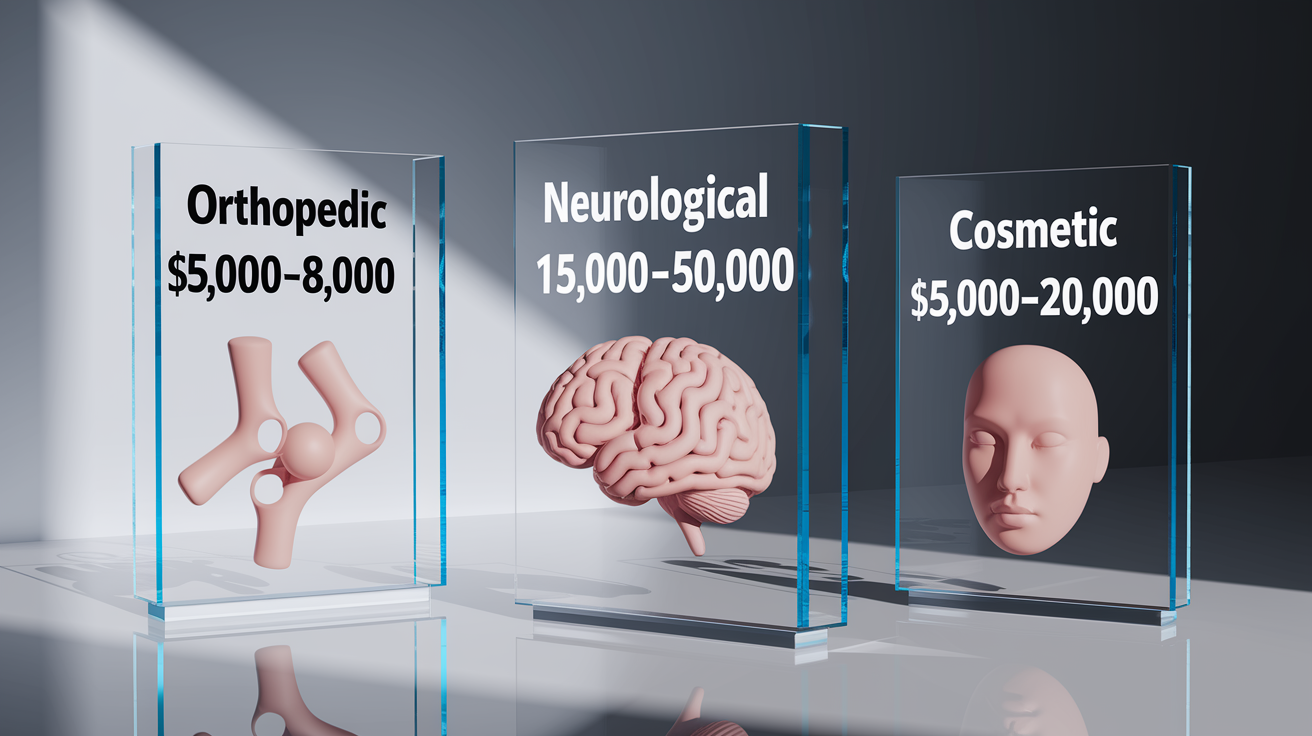
Orthopedic injections (knee, hip, shoulder, spine): $3,500 to $8,000 per joint
Cosmetic and anti-aging procedures (facial work, hair restoration): $5,000 to $15,000
Neurological and systemic therapies (neuropathy, Parkinson’s, MS, ALS): $15,000 to $50,000 and up
Autoimmune and inflammatory treatments (rheumatoid arthritis, Crohn’s): $10,000 to $30,000
Treatment-Specific Pricing Breakdown
Orthopedic Stem Cell Treatments
Joint and spine injections typically cost $3,500 to $8,000 per site. A single knee injection runs around $4,200. Both knees at once? You’re looking at roughly $5,000 total.
That price usually covers your initial consultation, the cell harvesting (if they’re using your own cells), lab processing, and the injection itself. Imaging to guide the needle adds another $200 to $800. Shoulder and hip treatments fall in the same ballpark. Spinal injections for chronic back pain or disc problems can hit $7,000 to $10,000 because the precision required is higher and they need better imaging equipment.
When you treat multiple joints in one session, the per-joint cost often drops a bit. Lab fees and facility charges get spread across the treatment.
Neurological and Systemic Applications
Treating Parkinson’s, MS, ALS, or peripheral neuropathy with stem cells costs anywhere from $15,000 to $50,000. The price reflects how complicated the cell prep gets, how many cells you need, and the multi-step delivery process for systemic or nervous system work.
Neuropathy treatments might combine IV infusions with targeted nerve injections, pushing costs to $10,000 or $25,000. Parkinson’s and MS protocols often need repeated infusions over months. Each session can run $8,000 to $20,000. ALS treatments can top $30,000 because of intensive lab work, specialized cell lines, and extended monitoring.
Travel, lodging, and follow-up care aren’t usually included, so your real total can climb fast.
Cosmetic and Anti-Aging Treatments
Stem cell facelifts, hair restoration, and skin treatments generally run $5,000 to $20,000. A stem cell facelift where cells are combined with fat grafting or injected into facial tissue costs $8,000 to $15,000. Hair restoration using stem cells or exosomes runs $6,000 to $12,000 for full scalp coverage. Smaller areas cost less.
Anti-aging protocols that mix IV stem cell infusions with topical or injectable applications can reach $15,000 to $20,000, especially when clinics bundle in PRP, growth factor serums, or maintenance sessions. These prices bounce around based on the clinic’s marketing, the provider’s reputation, and where you’re getting treated.
Autoimmune and Inflammatory Conditions
Rheumatoid arthritis, Crohn’s, lupus, and similar conditions cost $10,000 to $30,000 to treat with stem cells. Rheumatoid arthritis treatments often combine targeted joint injections with systemic infusions. Per-treatment costs range from $8,000 to $18,000. Crohn’s protocols might need multiple infusions over several weeks, driving totals toward $20,000 to $30,000.
Lupus and systemic autoimmune conditions get treated with high-dose IV stem cell therapy, which can cost $15,000 to $25,000 per cycle. These prices reflect the need for large quantities of processed cells, immune monitoring, and the experimental nature of it all. Insurance won’t cover this. Plan to pay everything yourself.
Factors That Influence Stem Cell Therapy Cost

A few big variables decide what you’ll actually pay. Understanding them helps you compare quotes and figure out if a clinic’s pricing reflects real quality or just inflated hype.
Cell source and type: Your own cells from bone marrow or fat require harvesting and lab processing. Donor cells from umbilical cords involve different sourcing and screening costs.
Cell count and concentration: Higher doses or more concentrated preps need longer lab time and fancier equipment.
Number of treatment sites or sessions: Multiple joints or repeated infusions jack up the total. Though per-site costs might drop slightly with bundles.
Lab processing complexity: Advanced techniques like cell expansion or proprietary selection processes add lab fees.
Clinic location and overhead: Urban centers, specialty facilities, and high-profile clinics charge more than rural or general orthopedic practices.
Imaging and extras: Ultrasound or fluoroscopic guidance, anesthesia, pre-treatment scans, and post-treatment rehab all add to the bill.
This explains why one clinic charges $4,000 for a knee injection and another wants $8,000. Paying more doesn’t guarantee better results. Results depend on accurate diagnosis, proper cell harvesting, keeping stem cells and growth factors viable during processing, and precise delivery to the target tissue.
A clinic’s pricing should reflect these technical capabilities, not just marketing flash or zip code prestige. Ask for itemized quotes that break down harvesting, processing, injection, and any add-on service fees. Comparing these line items across providers shows you where price differences come from and whether the extra cost delivers real clinical value or just covers overhead.
Insurance Coverage, Financing, and Payment Options

Most U.S. health insurance won’t cover stem cell therapy for orthopedic, neurological, cosmetic, or autoimmune stuff. Insurers call these treatments experimental. The only exceptions are FDA-approved hematopoietic stem cell transplants for certain blood cancers and bone marrow disorders, which might be covered under cancer or transplant benefits.
Everything else? Joint injections, neuropathy infusions, anti-aging protocols? You’re paying full price out of pocket.
Some clinics offer financing through third-party medical credit programs. CareCredit is common at many U.S. regenerative medicine providers. You can spread payments over 6 to 24 months with deferred or low interest if you pay within a promotional period. Other clinics provide in-house payment plans, though terms vary.
Here’s what patients often do:
- Medical credit cards: Apply for healthcare-specific financing with promotional rates. Check repayment terms carefully to avoid high post-promotional APRs.
- Clinic payment plans: Ask if the provider offers direct installment agreements. Some clinics let you split the cost over several months without third-party involvement.
- Personal savings or loans: Use health savings accounts, flexible spending accounts, or personal loans. HSA and FSA funds can sometimes be applied to stem cell treatments if prescribed for a medical condition.
Cost Comparison: U.S. vs. International Clinics

A lot of people consider traveling abroad because prices are way lower in Mexico, Panama, and Colombia. International clinics often charge a fraction of U.S. rates. Some bundle treatment packages with accommodation, airport transfers, and concierge services.
Clinics in Panama advertise starting prices of $15,825 for pediatric cases and $26,900 for adults, with packages that include injections, VIP customs clearance, ground transportation, and hotel stays at properties like the Hilton Panama. These bundled prices can look competitive compared to U.S. costs, especially when you’re treating multiple sites or need extended protocols.
| Country | Typical Cost Range | Common Treatments | Notes |
|---|---|---|---|
| United States | $4,000–$50,000+ | Orthopedic injections, PRP, cosmetic, neurological infusions | High regulatory compliance; limited FDA-approved indications; typically no insurance coverage |
| Mexico | $3,500–$12,000 | Joint injections, systemic infusions, cosmetic procedures | Lower overhead; variable clinic quality; less stringent regulatory oversight |
| Panama | $15,000–$26,900+ | Pediatric protocols, adult systemic therapies, autoimmune treatments | Often includes accommodation and logistics; long-established clinics with research partnerships |
| Colombia | $5,000–$15,000 | Orthopedic, cosmetic, wellness/longevity protocols | Growing medical tourism market; quality varies by clinic; follow-up care may require return trips |
But lower prices come with trade-offs. Regulatory frameworks in Mexico, Panama, and Colombia are looser than in the U.S. Clinics there might offer treatments that wouldn’t meet FDA approval standards. Lab processing quality, cell sourcing transparency, and infection control can vary wildly. And you’ve got limited recourse if outcomes are poor or complications pop up.
Travel costs, visa requirements, and follow-up logistics add complexity. If something goes wrong after you get home, your U.S. doctor might not know the treatment protocol. Insurance probably won’t cover related medical expenses.
If you’re considering international options, verify clinic credentials. Ask for third-party lab certifications. Request detailed treatment protocols. Plan for potential follow-up visits or remote consultations.
Regulatory and Safety Considerations Affecting Price

FDA regulations seriously influence stem cell therapy pricing in the U.S. The agency restricts which stem cell products can be marketed and requires most cellular therapies to undergo rigorous premarket approval unless they meet narrow criteria for minimal manipulation and homologous use.
Clinics that comply with FDA standards must invest in Good Manufacturing Practice lab facilities, staff training, quality assurance, and documentation systems. All of that raises operational costs and, eventually, patient prices. Many U.S. clinics operate in a regulatory gray zone, offering autologous stem cell treatments that they argue fall under surgical exception guidelines. But these interpretations are contested and enforcement actions happen periodically.
International clinics often operate under more flexible regulatory environments. They can offer treatments that would be considered investigational or unapproved in the U.S. This regulatory difference explains part of the price gap between domestic and international providers.
Lower compliance costs can reduce patient pricing, but they also introduce safety risks. Labs without independent oversight might have inconsistent cell processing standards, inadequate sterility controls, or limited traceability for donor tissue.
Ask international clinics whether they hold accreditations from recognized bodies like the Joint Commission International or local health ministry certifications, and whether their labs undergo third-party audits. Regulatory leniency can make treatments more accessible and affordable, but it puts the burden of due diligence squarely on you.
In the action, we gave clear price snapshots and a treatment-by-treatment breakdown so you know typical ranges for knees, cosmetic work, systemic therapies, and more.
We explained the big cost drivers—cell source, processing, clinic quality—plus insurance limits, common payment options, and how U.S. and international pricing can differ.
Use the checklists and vetting questions in the post when you compare quotes. That will help answer how much does stem cell therapy cost with fewer surprises and more confidence as you plan next steps.
FAQ
Q: Will insurance cover stem cell therapy?
A: Insurance for stem cell therapy is usually not covered in the U.S.; only FDA-approved bone marrow transplants commonly get coverage. Check your plan, ask about medical necessity, and request an itemized clinic quote.
Q: How much is one shot of stem cells?
A: One stem cell shot typically costs $3,500–$8,000 for orthopedic injections; cosmetic shots often run higher, and systemic infusions can exceed $15,000. Final price depends on cell type and clinic.
Q: What is the success rate of stem cell therapy?
A: The success rate of stem cell therapy varies widely by condition, treatment type, and provider; evidence is mixed, and predictable rates aren’t established. Ask providers for outcome data and peer-reviewed studies relevant to your situation.
Q: How long does a stem cell shot last?
A: The duration of a stem cell shot’s effect varies; some people report benefits lasting months to several years, while others see shorter results. Longevity depends on diagnosis, cell product, technique, and rehab.