
Are natural remedies for joint inflammation just internet noise, or can they actually help?
Short answer: some do, and this post lays out the ones that actually work, from fast home fixes to daily foods, supplements, movement, and topicals.
You’ll get clear steps, realistic timelines, and safety checks so you can decide what’s worth trying for your knees, hips, or shoulders without overspending or overpromising results.
Think of it like a practical plan.
Quick fixes to stop the flare, daily habits to lower long-term swelling, and questions to ask your provider.
Fast-Acting Natural Options for Reducing Joint Inflammation at Home
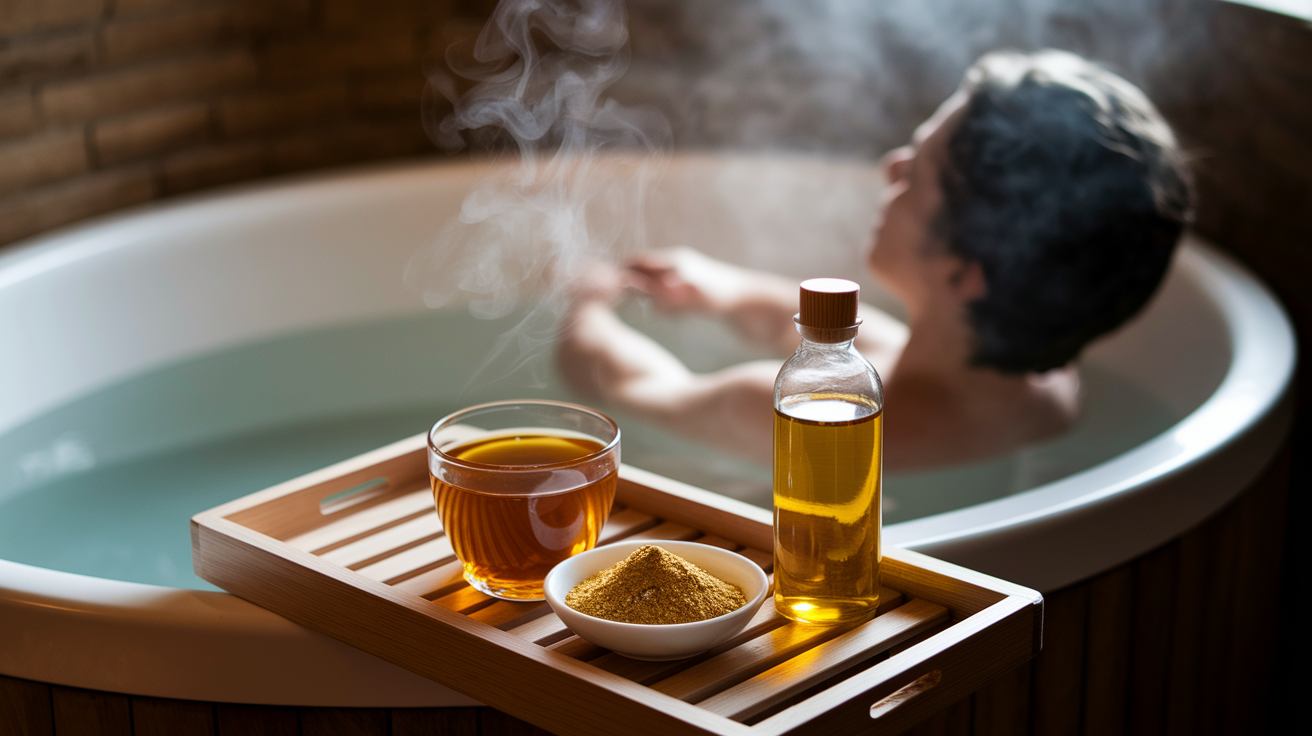
A few natural approaches can dial down inflammation pretty quickly when your joints feel puffy and stiff. Warm soaks, certain foods, and simple mineral baths offer relief anywhere from minutes to a couple hours. They’re practical, you can do them at home, and you don’t need a prescription or clinic appointment.
These work through different routes. Warm water around 92–96°F takes weight off the joint and loosens tight tissue. Epsom salt (magnesium sulfate) dissolved in that warm bath helps muscles relax and may ease the ache. Turmeric and ginger have plant compounds that interfere with inflammation pathways, kind of like some over-the-counter drugs do. Extra-virgin olive oil provides enzymes that act a bit like mild ibuprofen, blunting inflammatory signals if you use it regularly. Put together, they give your body several ways to calm inflamed joints fast.
- Warm water therapy – Fill a tub or basin with water around 92–96°F and soak the affected joint.
- Epsom salt bath – Toss Epsom salt into your warm bath and soak at least 15 minutes.
- Turmeric and ginger tea – Brew a cup using ground spices and drink it twice daily.
- Extra-virgin olive oil – Use 1.5 teaspoons on your skin or add it to meals.
- Quick hydration – Drink enough water to keep things running smoothly while inflammation settles.
Check with your doctor if joint swelling gets worse, spreads, or comes with fever or redness. Inflammation that doesn’t respond to home care after a few days might mean something deeper is going on, like an infection or a flare that needs medical attention.
Core Anti-Inflammatory Foods and Herbs for Joint Relief
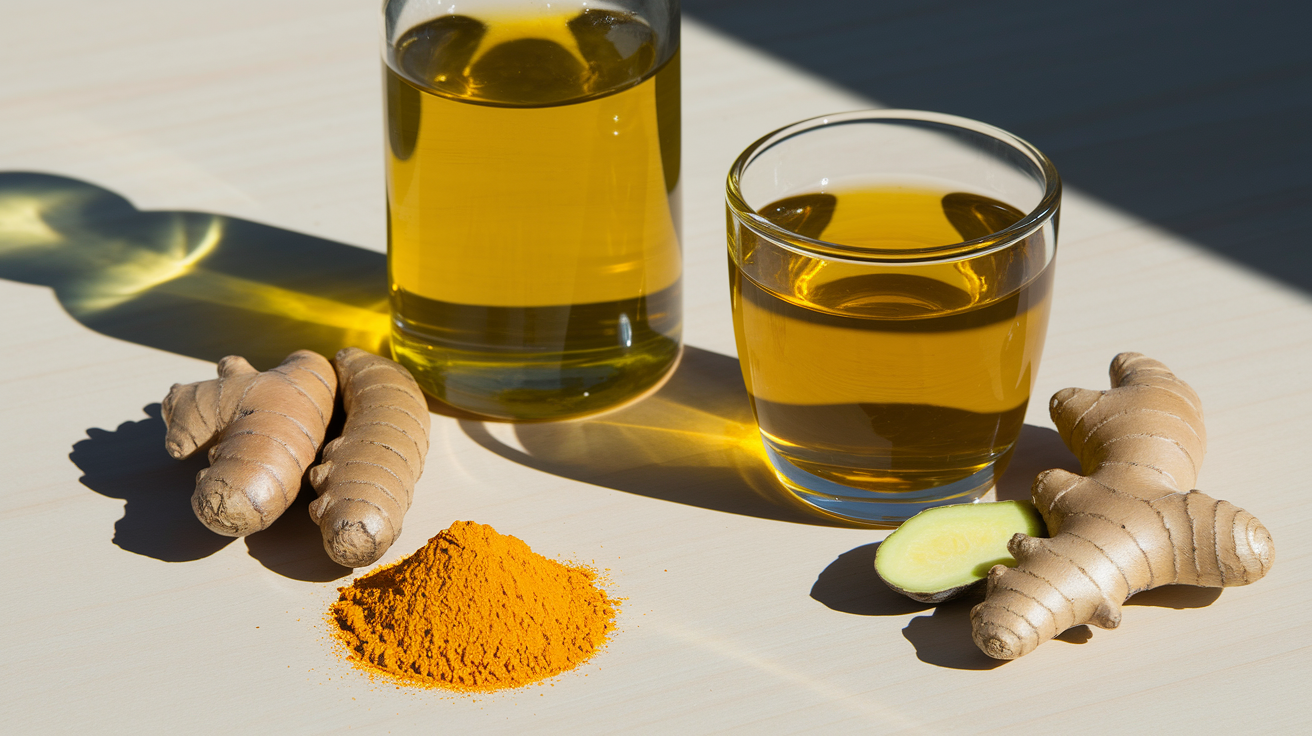
What you eat has a big influence on chronic joint inflammation. A Mediterranean eating pattern, built around vegetables, fruits, whole grains, fish, nuts, and olive oil, has been linked to slower arthritis progression and better pain, stiffness, and mobility. On the other hand, a typical Western diet loaded with saturated fats, refined carbs, and added sugars tends to fuel low-grade inflammation and speed up joint wear. Changing what you eat daily gives your joints a steadier supply of anti-inflammatory nutrients and cuts back on triggers that keep inflammation burning.
Some herbs and foods really stand out for joint relief. Turmeric (especially the curcumin in it) and ginger show measurable symptom benefits in osteoarthritis and rheumatoid arthritis. Lots of people drink golden milk, a warm turmeric blend, every day. Green tea delivers antioxidant polyphenols that quiet inflammatory signals. Extra-virgin olive oil, pressed from ripe olives, provides enzymes similar to low-dose ibuprofen. Boswellia serrata extract, an herb used in traditional medicine, shows modest anti-inflammatory effects in some studies. Using these together, instead of relying on just one, gives you broader defense against inflammation.
| Food/Herb | Anti-Inflammatory Action |
|---|---|
| Turmeric (curcumin) | Blocks inflammatory enzymes and pathways linked to arthritis pain |
| Ginger root | Reduces pain and stiffness by interfering with prostaglandin production |
| Green tea | Provides polyphenols that scavenge oxidative stress and calm joint tissue |
| Extra-virgin olive oil | Contains oleocanthal, which works like a mild NSAID to reduce swelling |
Supplement-Based Natural Remedies That May Lower Joint Inflammation
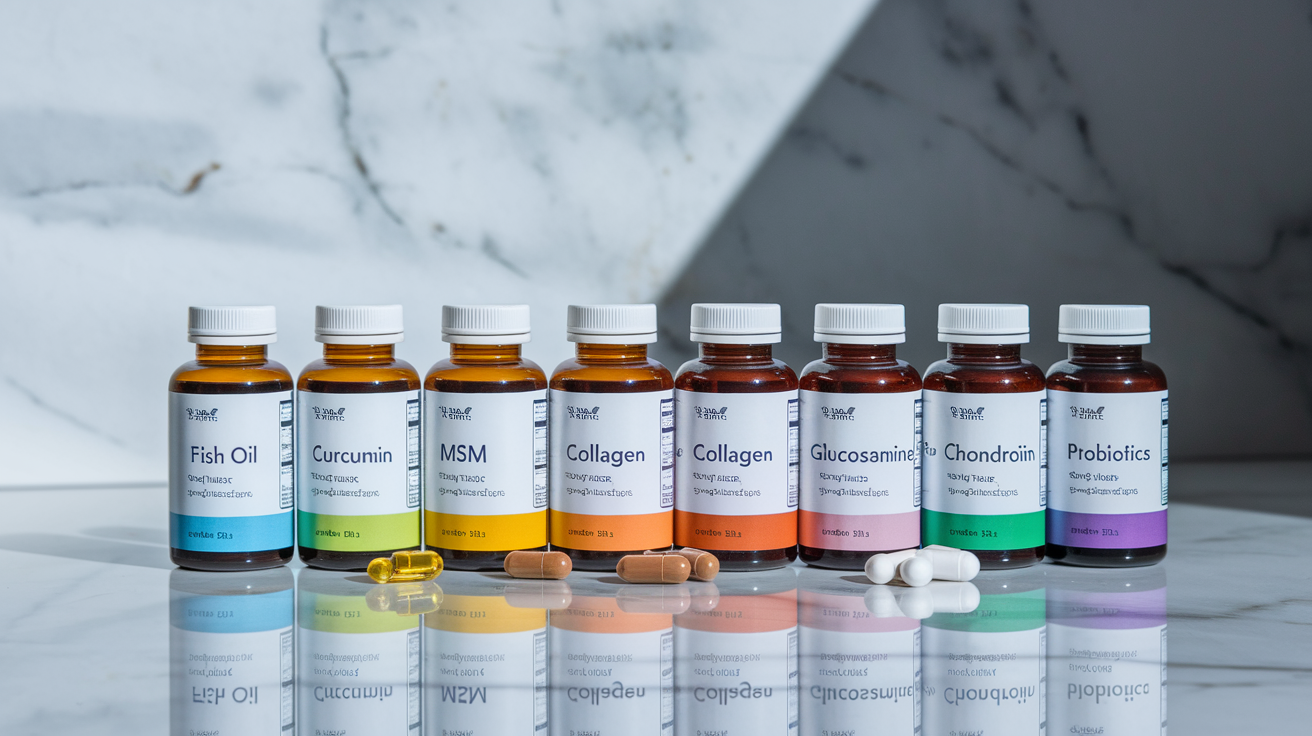
Supplements aren’t replacements for medical treatment. They’re add-ons. They fill gaps when your diet doesn’t deliver enough of a nutrient, or when the active compound in food, like curcumin, isn’t absorbed well without concentration and special formulations. Bioavailability matters. Eating turmeric in curry gives you some curcumin, but supplements with added piperine (black pepper extract) or liposomal wrapping get way higher blood levels and better anti-inflammatory effects.
Time to effect varies a lot across supplements. Fish oil users often report less morning stiffness after a couple months of daily dosing. Probiotics may cause bloating or diarrhea for 1–3 days during adjustment, then support gut health and lower systemic inflammation over weeks. Curcumin supplements, tuned for absorption, can show symptom improvements faster than culinary turmeric. MSM (methylsulfonylmethane) and collagen work gradually, supporting connective tissue and cartilage structure over months. Glucosamine/chondroitin shows modest benefit mainly in people with more severe pain. A big New England Journal of Medicine study found little help for mild pain, so set realistic expectations and give it time. Probiotics, backed by a Frontiers in Nutrition meta-analysis, offer measurable anti-inflammatory benefits when taken regularly.
- Fish oil – Omega-3 fatty acids that reduce inflammatory markers and joint stiffness.
- Curcumin – Concentrated turmeric extract with boosted absorption for higher potency.
- MSM – Supports connective tissue and may ease joint discomfort over time.
- Collagen – Amino acids that help rebuild cartilage structure.
- Glucosamine/chondroitin – May slow cartilage loss and improve lubrication, especially with severe baseline pain.
- Probiotics – Multi-strain formulas that support gut health and lower systemic inflammation.
Supplement quality varies since they’re less regulated than prescription drugs. Look for third-party testing (USP, NSF, or ConsumerLab seals) to confirm purity and potency. Some interact with medications. Fish oil and turmeric can increase bleeding risk if you’re on blood thinners, for example. Tell your doctor about every vitamin, herb, and supplement you take, and ask for dosing guidance tailored to your health history and current meds.
Lifestyle and Movement Remedies That Reduce Joint Inflammation Naturally

Motion is lotion. Gentle, regular movement keeps joints lubricated, strengthens the muscles that stabilize them, and reduces stiffness without adding extra wear. Joint-friendly exercise includes walking on flat, even surfaces at a comfortable pace, cycling on a recumbent or upright bike with low resistance, tai chi for slow, controlled movement that improves balance and posture, and water exercise in a pool where buoyancy takes pressure off hips, knees, and ankles. Research from 2020 and 2021 shows tai chi improves pain, function, stiffness, gait, and mental health in people with osteoarthritis. One person reported practicing tai chi for nearly five years with meaningful, lasting benefit.
- Walking – Low-impact aerobic activity you can do almost anywhere.
- Cycling – Builds leg strength and cardiovascular fitness without pounding joints.
- Tai chi – Combines gentle movement, breath work, and meditation for multi-level relief.
- Water exercise – Reduces joint load while you strengthen muscles and improve range of motion.
Physical therapy teaches you how to move safely, build strength, and improve balance without triggering flares. A PT will design a program that matches your current function and pain level, then adjust it as you improve. Weight loss plays a direct role too. Losing just 1 pound relieves about 4 pounds of pressure on your knees, according to the Arthritis Foundation. If you’re carrying extra weight, even dropping 5–10 pounds can make a noticeable difference in how your knees, hips, and ankles feel during everyday tasks like climbing stairs or getting out of a chair.
Topical Natural Remedies for Inflamed Joints
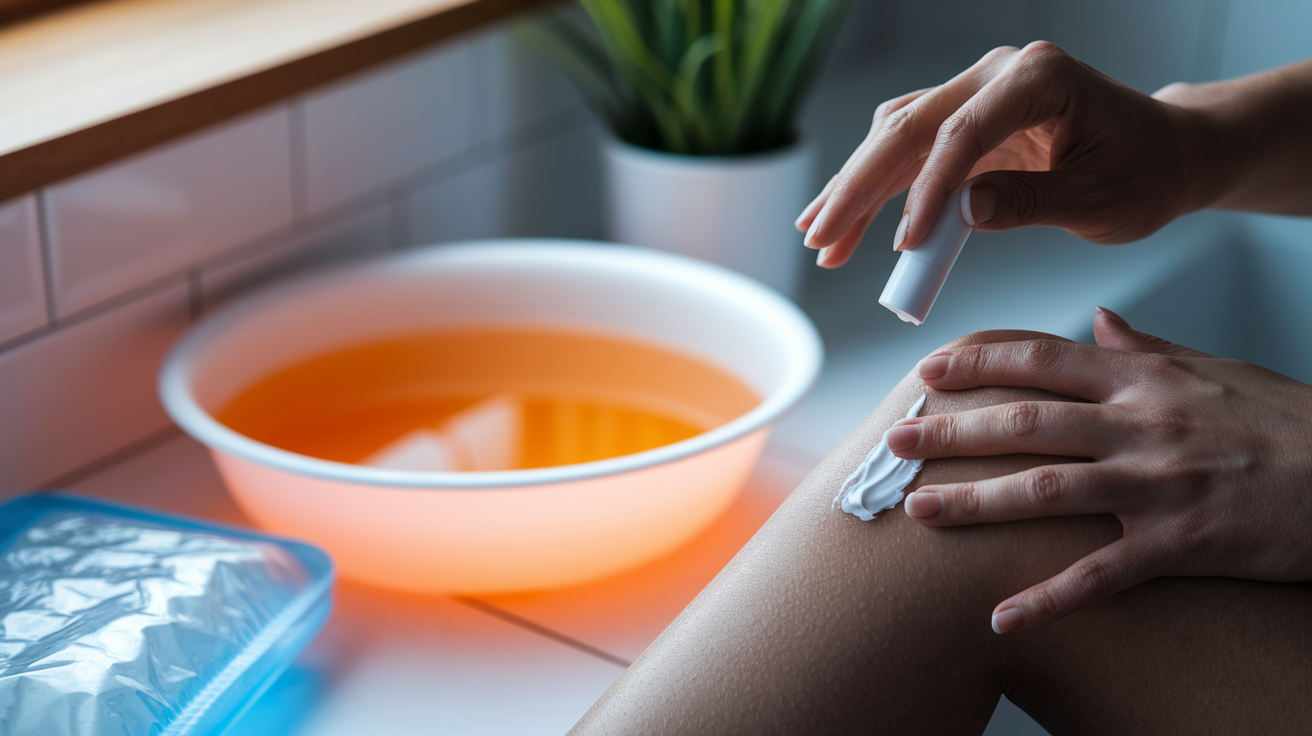
Capsaicin cream or gel, made from chili peppers, offers pain relief within minutes. A meta-analysis in Systematic Reviews supports its use for osteoarthritis and rheumatoid arthritis. You’ll feel an initial burning sensation that usually fades within 1–2 minutes as the capsaicin desensitizes nerve endings. Apply it over the sore joint two or three times a day. Peppermint and eucalyptus essential oil blends provide a temporary cooling sensation and mild pain relief. Mix 5–10 drops of each oil with 1–2 tablespoons of a carrier oil (olive, almond, or grapeseed), store the blend in a small dark glass bottle, and massage it onto aching joints as needed. Arnica creams and gels, made from the arnica flower, may reduce swelling and bruising when rubbed on the skin, though evidence is mixed.
Heat and ice work in opposite ways. Heat (warm towel, heating pad, or paraffin wax soak) loosens stiff tissue and increases blood flow. A hot paraffin soak lasts about 20 minutes and holds warmth longer than a compress, making it popular for stiff hands and feet. Ice packs reduce acute swelling and numb sharp pain. Use ice for fresh flare-ups and heat for chronic stiffness. Never apply essential oils undiluted. Always mix them with 1–2 tablespoons of carrier oil to avoid skin burns or irritation. Test a small patch of skin first if you’ve never used a particular oil before.
Natural Remedies That Support Long-Term Joint Health and Reduced Inflammation

Long-term joint health depends on consistent habits that protect joints, reduce systemic inflammation, and give your body the resources it needs to repair tissue. Sleep quality plays a big role. Poor or interrupted sleep raises inflammation markers and lowers your pain threshold, making joint discomfort feel worse. Aim for 7–9 hours of solid sleep in a cool, dark room with a mattress that supports your spine and hips. Stress reduction also matters. Chronic stress drives cortisol and other hormones that keep inflammation simmering. Deep breathing, short meditation sessions, or a walk in a quiet park can lower stress hormones and give inflamed joints a break.
Ergonomic aids and daily joint-protection strategies prevent unnecessary wear and tear. Mounted jar openers, saw-handle knives, spring-loaded scissors, and wider pens reduce the grip force needed for common tasks. Keys placed in holders and assistive reaching tools let you avoid awkward wrist and finger positions. Over time, these small adjustments add up, preserving function and reducing pain flares. If you work at a desk, adjust your chair, keyboard, and monitor height so your wrists stay neutral and your knees and hips sit at 90-degree angles.
- Optimized sleep routine – Set a regular bedtime, limit screens before bed, and create a restful environment.
- Stress-reduction activity – Practice breathing exercises, meditation, or gentle yoga several times a week.
- Ergonomic tools – Invest in adaptive devices that make daily tasks easier on your joints.
- Pacing joint loads – Alternate active tasks with rest breaks to avoid overloading one joint all day.
Consistency matters more than intensity. Gentle movement over years, like tai chi practiced for nearly five years, yields lasting improvements in pain, gait, posture, and mental outlook. Hydrotherapy combined with physical therapy may outperform PT alone in some studies, so consider adding warm-water soaks or pool sessions to your weekly routine for long-term benefit.
Safety, Interactions, and When Natural Remedies Are Not Enough

Natural doesn’t always mean safe. Supplements and herbal remedies vary in purity and potency because they’re less regulated than prescription drugs. Turmeric and curcumin can increase bleeding risk if you take blood thinners like warfarin or aspirin. Fish oil has the same concern. Some herbs interact with diabetes medications, blood pressure drugs, or immune suppressants. Tell your doctor about every supplement, herb, tea, or topical remedy you use. If you’re pregnant, nursing, or managing multiple chronic conditions, get approval before starting any new natural remedy. If you’re considering acupuncture, choose a licensed, experienced provider and check whether your insurance covers sessions.
See a doctor if joint swelling persists for more than a few days, gets worse despite home care, or comes with fever, redness, warmth, or sudden loss of function. Persistent or worsening pain may signal an infection, a rheumatologic flare, or structural damage that needs imaging and targeted treatment. Severe osteoarthritis that doesn’t respond to natural remedies, medications, or injections may require joint replacement surgery. Your doctor can adjust your treatment plan, refer you to a specialist, and help you access physical therapy, occupational therapy, or community exercise programs covered by insurance.
Final Words
We laid out fast, practical options you can use today: warm soaks (92–96°F), Epsom salt baths, turmeric and ginger tea, extra‑virgin olive oil, topical gels, quick hydration, plus supplements, movement, and long‑term habits.
Keep safety front and center: check supplement quality, watch for interactions (like with blood thinners), and see a clinician if swelling or severe pain gets worse.
Combine short-term fixes with consistent habits. Using natural remedies to reduce joint inflammation alongside smart exercise and better sleep gives you the best shot at lasting relief. Start small and keep at it—your joints will thank you.
FAQ
Q: What is the strongest natural anti-inflammatory for joints?
A: The strongest natural anti-inflammatory for joints is concentrated curcumin (from turmeric), which often shows the best evidence for easing joint pain and stiffness; combine with black pepper or a supplement for better absorption.
Q: How do you get rid of joint inflammation fast?
A: To get rid of joint inflammation fast, reduce joint load and use quick steps like warm water therapy (92–96°F), 15-minute Epsom soaks, ice for swelling, and anti-inflammatory foods or supplements.
Q: What is the golden herb for joint pain?
A: The golden herb for joint pain is turmeric, whose active compound curcumin may reduce inflammation; people often drink it as golden milk or take concentrated supplements for stronger effects.
Q: What kills inflammation naturally?
A: Things that kill inflammation naturally include Mediterranean-style eating, omega-3 fish oil, turmeric and ginger, extra-virgin olive oil, regular low-impact movement, good sleep, hydration, and stress-reduction practices.