
Who knew a stem cell shot could start at $700 and end up costing $15,000?
Price transparency at clinics is all over the map.
Some list every fee, others keep you in the dark until you hand over a deposit.
This piece compares clear and opaque pricing, shows common hidden charges, and gives the exact questions to ask so your knee, your recovery plan, and your wallet aren’t surprised.
Read on to learn how to spot red flags, get itemized quotes, and pick a provider who tells you the full cost up front.
Quick Comparison of Clinics With Clear vs. Opaque Stem Cell Treatment Costs

Pricing transparency varies wildly across stem cell clinics. Some providers actually post their full costs online: consultation, cell processing, injection, imaging, follow-ups. Everything’s itemized. Others won’t talk numbers until you’ve already paid for that first appointment, leaving you guessing what the real bill looks like. Chiang Mai ALIST Clinic, for instance, publishes ฿25,000 (about $700) for MSC injections at 5 million cells. Meanwhile, premium Bangkok hospitals throw out ranges above $15,000 without breaking down what’s included. Hidden fees? They’re everywhere. Lab processing, imaging, anesthesia, facility charges, follow-up visits. These can tack on $1,500 to $6,000 or more to whatever price you saw advertised.
Hospital programs and academic medical centers usually do better than private, for-profit specialty clinics. University-affiliated programs often publish cost breakdowns or hand you detailed written estimates before scheduling anything. Partly because they have to comply with research ethics and informed consent standards. International clinics in medical tourism hotspots are all over the map. Some Thai and Mexican providers clearly list cell counts, processing methods, what’s covered. Others advertise “starting at” prices that exclude most ancillary fees. U.S. clinics? Same story. You’ll find highly transparent practices offering sample invoices and written quotes, and you’ll find operators who only reveal final costs after you’ve put down a deposit.
| Clinic Type | Transparency Level | Notes |
|---|---|---|
| Academic / University‑Affiliated | High | Usually provide itemized, written estimates; IRB or research protocols require detailed cost disclosure. |
| JCI‑Accredited Tertiary Hospitals (e.g., Bumrungrad, Bangkok Hospital) | Moderate to High | Often give written quotes on request; may omit ancillary fees until consult; prices typically higher but more comprehensive. |
| Private Specialty Clinics (U.S., Mexico, Thailand) | Low to Moderate | Wide variability; some publish full pricing, others only reveal costs in‑person; watch for “starting at” language. |
| Medical‑Tourism Resorts / Packages | Low | Advertise bundled prices but often exclude imaging, lab processing, anesthesia, and follow‑ups; final cost frequently 50–100% higher than advertised. |
Criteria Used to Evaluate Pricing Transparency

Itemized cost breakdowns are what you’re looking for. A truly transparent quote lists every single piece: consultation fee, pre-procedure imaging and lab tests, cell harvest or acquisition, lab processing (including GMP certification if that’s relevant), anesthesia, facility or operating room fees, physician administration, post-injection meds, and follow-up visits with their individual prices. When a clinic hands you that level of detail in writing before you pay a dime, you can actually compare providers and budget accurately. Clinics offering only a single lump sum or “package price” without showing what’s inside? You can’t identify where your money’s going or spot what’s missing.
Verification of treatment details should be part of the pricing conversation. A transparent clinic will tell you the cell source (autologous adipose, autologous bone marrow, allogeneic donor), the cell count per dose, the number of injections or sessions, and how they’re administered. Chiang Mai ALIST Clinic states 5 million MSCs per injection at ฿25,000. That specificity lets you evaluate whether the dose lines up with peer-reviewed protocols and compare per-cell costs across providers. If a clinic won’t document cell count, processing method, or number of treatments in the quote, that’s a transparency gap. And it usually correlates with inconsistent protocols and unclear results reporting.
Pricing clarity often reflects overall clinic reliability. Providers publishing detailed costs, regulatory compliance (Thai FDA approval, GMP lab certification, JCI hospital accreditation), and peer-reviewed outcome data tend to operate with higher ethical standards across the board. Clinics hiding fees, overpromising results, or pressuring patients with “limited time offers” typically cut corners on consent documentation, complication management, and follow-up care. When pricing is transparent, other critical details (refund policies, adverse event handling, physician credentials) usually are too.
Red Flags When Assessing Stem Cell Treatment Costs

Red flags tell you the final bill will likely climb way higher than advertised or the clinic operates with poor ethical standards. Spotting these early helps you avoid surprise costs and unsafe providers.
“Starting at” or “from” pricing with no itemization. When a clinic advertises “stem cell therapy from $2,500” but won’t provide a written breakdown, expect the real cost to climb by 50–200% once you’re in the door. Phuket clinics report minimums around $1,800 but maximums near $13,000. The difference is rarely explained up front.
Vague language about processing, lab, or facility fees. If a quote mentions “additional lab fees apply” or “bioprocessing costs vary” without dollar amounts, those fees can add $500 to $6,000. Always ask for exact ranges or fixed prices.
Mandatory consultation fees that aren’t credited toward treatment. Some clinics charge $150–$500 for a consultation that reveals the real price, then refuse to apply that fee to your procedure cost. Transparent providers either offer free consults or apply the fee to your final bill.
No written estimate before deposit. Asking for a large deposit or full prepayment without providing a complete, itemized written quote is a major red flag. Ethical clinics give you the full picture in writing before you commit any money.
Pressure tactics or limited time discounts. High-pressure language like “this offer expires today” or “only two slots left this month” is designed to stop you from comparing prices or asking questions. Legitimate medical care doesn’t come with flash sale tactics.
Refusal to specify cell count, source, or regulatory status. If the clinic won’t tell you whether cells are autologous or allogeneic, how many cells per dose, or whether the protocol has Thai FDA approval or clinical trial registration, that opacity almost always means the treatment lacks solid evidence or regulatory clearance.
Typical Cost Ranges for Major Stem Cell Procedures
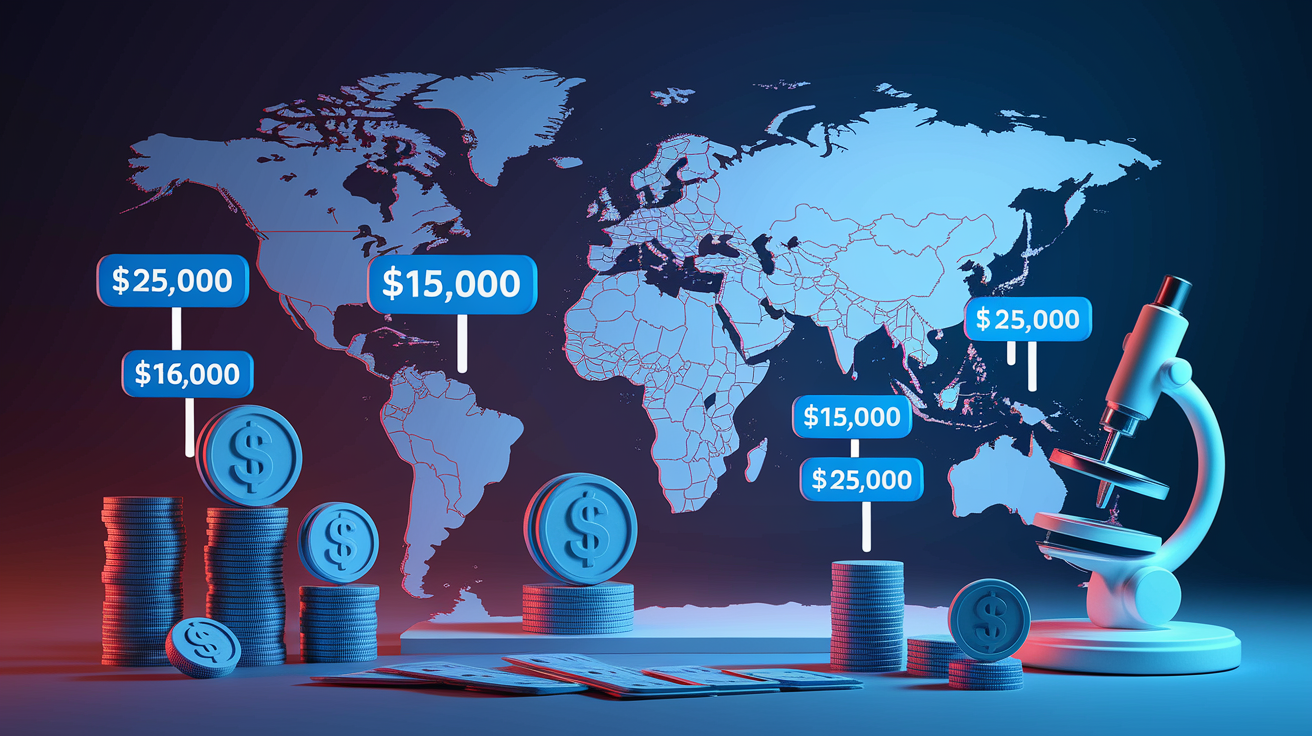
Prices vary widely based on cell source, processing method, administration route, and geography. Autologous procedures (cells taken from your own body and minimally processed) generally cost less than culture-expanded allogeneic treatments using donor cells grown in a lab. In the U.S., a single-site intra-articular injection using autologous adipose-derived cells typically runs $2,500–$8,000. Bone marrow aspirate concentrate (BMAC) for a joint often costs $4,000–$15,000. Systemic IV allogeneic treatments can range from $8,000–$25,000 per session. Multi-session protocols or combined procedures commonly total $10,000–$50,000. These U.S. figures often exclude imaging, lab tests, anesthesia, and follow-up visits, which can add another $1,000–$5,000.
International prices tend to be lower but still show wide variation. In Mexico, orthopedic stem cell injections usually range from $2,500–$7,000. Thai specialist clinics advertise packages from roughly $2,500–$8,000. Premium JCI-accredited hospitals in Bangkok charge $5,000–$15,000 or more, especially for complex protocols with extensive follow-up care. Phuket’s medical tourism market averages around $7,400, with a reported minimum near $1,800 and maximum around $13,000. Panama procedures can reach $15,000–$25,000 depending on cell preparation and hospital infrastructure. Geographic cost differences reflect local wages, regulatory overhead, and facility standards. But lower advertised prices don’t always mean lower final bills once all fees are included.
U.S. single-site autologous adipose joint injection: $2,500–$8,000 (often excludes imaging, anesthesia, follow-ups).
U.S. single-site autologous bone marrow (BMAC) joint injection: $4,000–$15,000 (may exclude processing and facility fees).
U.S. systemic IV allogeneic treatments per session: $8,000–$25,000 (high variability based on cell dose and culture expansion).
Mexico orthopedic stem cell procedures: $2,500–$7,000 (usually includes consult and injection; imaging and follow-ups may be extra).
Thailand JCI-accredited hospital procedures (Bangkok): $5,000–$15,000+ (typically more comprehensive but verify itemization; Bangkok Hospital Group averages around $10,000; Bumrungrad exceeds $15,000 for premium packages).
Thailand specialist clinics (Chiang Mai, Phuket): $2,500–$8,000 base packages; Chiang Mai ALIST example: ฿25,000 (around $700) for 5 million MSC injection; Phuket average $7,400 but ranges $1,800–$13,000.
Panama advanced procedures: $15,000–$25,000 (often includes extended hospital stay and sophisticated cell culture).
Steps to Verify Whether a Clinic’s Price Is Fully Transparent

Verification requires asking specific questions and demanding written documentation before you pay anything. Start by requesting a complete, itemized written estimate breaking down every fee and service. Compare that estimate against the checklist below to catch hidden costs and confirm the clinic operates ethically.
Request a written, itemized quote covering all services. The quote should list consultation, pre-procedure imaging (X-ray, MRI, ultrasound), lab tests (CBC, infection screening), cell harvest or procurement, lab processing (specify GMP certification if applicable), anesthesia, facility or operating room fees, physician administration fees, post-procedure medications, and the number of included follow-up visits with their costs. If the clinic refuses to put this in writing or says “we’ll discuss it at your consult,” that’s a transparency failure.
Confirm the exact cell source, type, and dose per treatment. Ask whether cells are autologous (from your own tissue) or allogeneic (from a donor), and whether they come from adipose tissue, bone marrow, or umbilical cord. Get the cell count per injection in writing. A transparent clinic will state “5 million MSCs per dose” or “10 million nucleated cells from bone marrow aspirate.” Vague language like “therapeutic dose” or “optimal cell concentration” is a red flag.
Ask whether lab processing and GMP certification are included. Cell processing can cost $500–$6,000 depending on the method. Verify whether the quote includes centrifugation, filtration, culture expansion, or other bioprocessing steps, and whether the lab holds GMP certification or equivalent quality standards. If the clinic says “lab fees apply” without a dollar amount, get a written range or fixed price.
Clarify imaging and diagnostic costs. Pre-procedure imaging (MRI, ultrasound) and post-treatment follow-up scans can add $300–$1,500. Ask whether these are included in the package price or billed separately, and get the costs in writing. Some clinics require imaging to be done at their facility at a markup. Others let you bring outside scans.
Document the number of follow-up visits included and the cost of extra visits. Transparent clinics specify how many post-treatment check-ins are covered, the timeframe (two visits within six months, for example), and what you’ll pay for additional follow-ups. If the quote doesn’t mention follow-up care, assume it’s not included and ask for per-visit pricing.
Get the refund, cancellation, and complication management policies in writing. Ask what happens if you cancel before treatment, if results are unsatisfactory, or if complications arise. A transparent clinic provides written terms: refund timelines, conditions, and whether adverse event care is covered or billed separately. Clinics refusing to document these policies typically don’t honor refunds or cover complications.
Verify travel, lodging, and ancillary costs for international treatment. If you’re considering a clinic abroad, ask whether the quote includes airport transfer, hotel accommodation, translator services, or post-treatment physical therapy. Some Thai and Mexican clinics bundle these. Others advertise medical-only pricing and leave you to arrange logistics. Get a written breakdown of what’s medical and what’s travel-related so you can budget the full trip.
Final Words
We compared clinics that post full price lists with those that only reveal costs after a consult, covered the key criteria for clear pricing, flagged common hidden fees, laid out typical U.S. and international price ranges, and gave steps to verify a quote.
When you’re comparing cost transparency among stem cell clinics, ask for an itemized quote, confirm what’s included, and watch for vague language and surprise add-ons.
Take your time. Ask questions. That way you protect your body and your budget—and move forward with more confidence.
FAQ
Where did Joe Rogan go for stem cell therapy?
Joe Rogan has mentioned receiving regenerative treatments in the U.S., including clinics in California and Nevada, though he doesn’t always specify exact providers. He’s discussed using PRP and other biologics for joint and recovery support in podcast episodes.
Where is the cheapest place to get stem cells?
The cheapest place to get stem cell treatments is often in Mexico, where orthopedic procedures can range from $2,500 to $7,000. However, low cost doesn’t guarantee quality, so verify provider credentials, cell sourcing, and what’s actually included in the base price.
Where is the cheapest place to get stem cell treatment in the world?
The cheapest stem cell treatment locations globally include Mexico, Colombia, and parts of Southeast Asia, where procedures may cost 40 to 60 percent less than U.S. prices. Always confirm treatment protocols, follow-up care, and whether the clinic uses autologous or culture-expanded cells before booking.
What are the best stem cell clinics in the world?
The best stem cell clinics worldwide are typically those with published research, clear treatment protocols, and transparent pricing, including select U.S. hospital systems, vetted clinics in Panama, and regulated providers in Germany and South Korea. Look for itemized quotes, clear cell sourcing, and verifiable patient outcomes.
How much does stem cell therapy typically cost in the U.S.?
Stem cell therapy typically costs between $4,000 and $12,000 in the U.S. for orthopedic injections, depending on cell type, preparation method, and whether imaging or follow-up visits are included. Always ask for a written, itemized quote before committing.
Are stem cell treatment costs covered by insurance?
Stem cell treatment costs are rarely covered by insurance in the U.S., as most regenerative procedures are considered investigational or elective. A few exceptions exist for FDA-approved hematopoietic stem cell transplants used in cancer care, but orthopedic and cosmetic uses typically require out-of-pocket payment.
What hidden fees should I watch for with stem cell treatments?
Hidden fees to watch for include lab processing charges, imaging costs, mandatory follow-up injections, expanded cell culture fees, and travel or lodging packages. Some clinics advertise low base prices but add significant costs after consultation, so request a full written breakdown upfront.
How do international stem cell prices compare to U.S. costs?
International stem cell prices often run 30 to 60 percent lower than U.S. costs, with Mexico ranging from $2,500 to $7,000 and Panama from $15,000 to $25,000 for more complex protocols. Factor in travel, follow-up logistics, and whether the clinic provides verifiable treatment details.
What questions should I ask before paying for stem cell therapy?
Before paying for stem cell therapy, ask for an itemized quote, confirm the cell source and dose, check what follow-up care is included, verify provider credentials, and clarify refund or revision policies. Also ask whether imaging, supplements, or additional injections cost extra.
Can I get a refund if stem cell treatment doesn’t work?
Refunds for stem cell treatment are rare, as most clinics require signed consent acknowledging variable outcomes and no guaranteed results. Some providers offer partial credits toward repeat injections, but policies vary widely, so confirm refund terms in writing before you pay.