
What if a serious reaction after a stem-cell or gene treatment never reaches the FDA?
Reporting rules change based on what the product is—investigational (in a trial), a licensed biologic, or a human cell or tissue product with its own path.
Providers must recognize, document, notify sponsors and institutional safety officers, and use the right forms or portals to meet tight deadlines.
This post breaks down the who, where, and when of reporting so clinicians can protect patients, comply with federal requirements, and avoid costly delays.
Immediate Regulatory Pathways for Reporting Adverse Events in Regenerative Medicine

How providers report adverse events depends on what the product actually is under FDA rules. First question: is it investigational, licensed, or just a human cell or tissue product? Investigational stuff under an IND follows 21 CFR 312.32, which means the sponsor handles safety reports to FDA during trials. Licensed biologics, like most marketed cell and gene therapies, follow postmarketing rules in 21 CFR 314.80 and 21 CFR 600.80. Manufacturers do the heavy lifting there. Products regulated only under 21 CFR Part 1271 (certain minimally manipulated tissues used for homologous purposes) have their own establishment level reporting requirements that don’t follow the IND or BLA pathway.
Reporting splits into three main channels: direct to FDA, notification to the sponsor or manufacturer, and institutional oversight. Providers can file voluntary reports using FDA MedWatch Form 3500. Manufacturers and sponsors handle mandatory submissions through FAERS or IND safety reports via the FDA Electronic Submissions Gateway. IRBs and facility risk management also need notification per local SOPs, creating parallel internal paths that run alongside federal submissions. Combination products (cells or tissues paired with a device) can trigger dual reporting, where both biologic adverse event rules and device Medical Device Reporting under 21 CFR 803 apply at once.
The basic flow goes like this: clinical recognition, documentation and notification, formal submission, follow up. Stabilize the patient. Document everything. Secure product samples and lot info. Notify the sponsor or manufacturer and institutional safety officers. File or coordinate regulatory submissions to FDA. Provide detailed follow up reports with lab data and corrective actions.
Determining What Counts as a Reportable Event in Regenerative Medicine

A serious adverse event meets at least one FDA criterion: death, life threatening event needing immediate intervention, hospitalization or prolonging one, persistent or significant disability, congenital anomaly or birth defect, or an important medical event that requires intervention to prevent permanent damage. Expectedness gets judged against the product’s labeling, investigator brochure, or known safety profile. An unexpected serious adverse reaction isn’t listed, or it’s more severe, or it happens more often than previously documented. Causality looks at timing between product administration and the event, alternative causes, biological plausibility, and response to intervention or rechallenge. But providers should report events even when causality is uncertain. The difference between adverse event and adverse reaction comes down to attribution: an adverse event is any undesirable experience after product use, while an adverse reaction is an event where there’s a reasonable possibility the product caused it.
Core categories worth reporting:
Death or life threatening reactions. Severe anaphylaxis, cytokine release syndrome progressing to shock, respiratory failure requiring mechanical ventilation after cell or gene therapy administration.
Hospitalization or prolongation because of infection, graft versus host disease in allogeneic cell therapies, or unexpected immune mediated complications.
Product quality events. Suspected contamination, sterility failures, cold chain breaches, labeling errors, or lot related clusters affecting multiple patients.
Suspected communicable disease transmission, especially relevant for human cell and tissue products under 21 CFR Part 1271. Donor derived infections or viral transmission must be reported immediately.
Tumorigenicity, uncontrolled cell proliferation, ectopic tissue formation, or insertional mutagenesis in gene therapies. These represent long term serious risks unique to regenerative products and may show up years later.
Reporting Channels and Regulatory Forms Used in Regenerative Medicine Safety Submissions
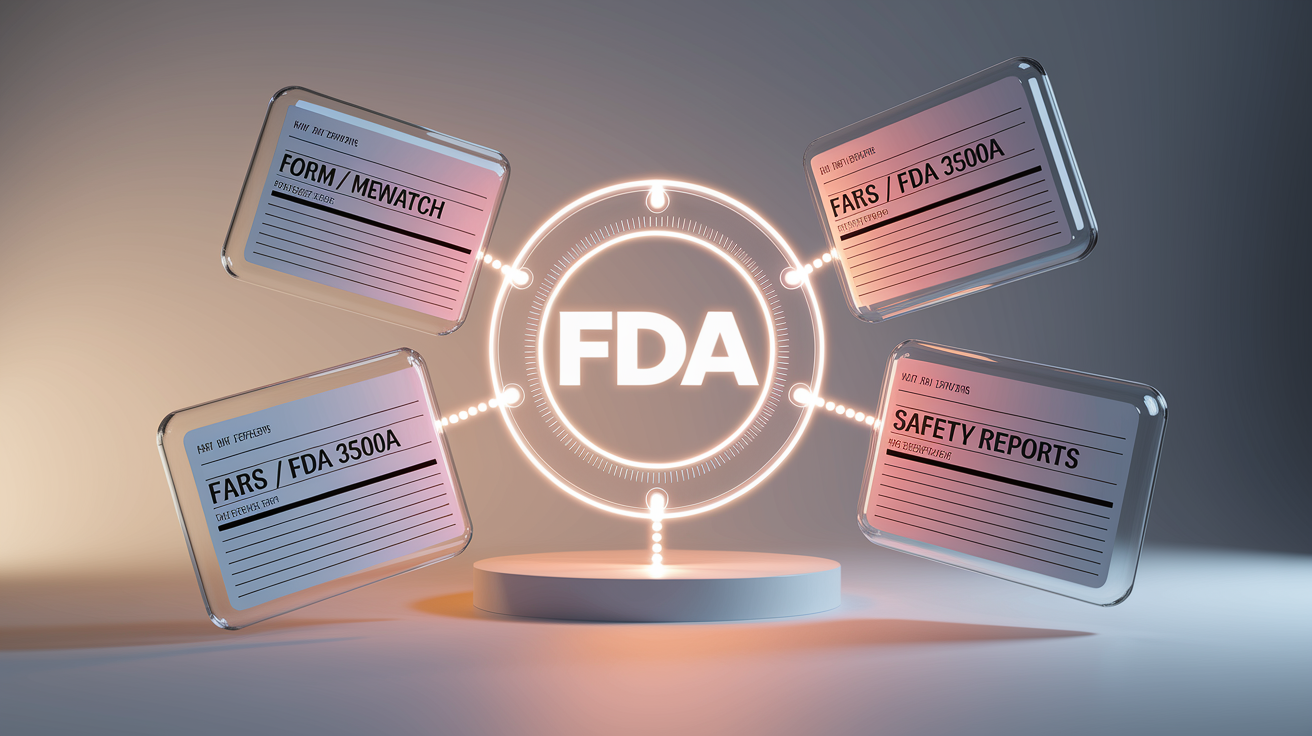
Providers and manufacturers use different forms and portals depending on whether reporting is voluntary or mandatory and whether the product is investigational or marketed. MedWatch Form FDA 3500 is the voluntary form for healthcare professionals and consumers who want to report directly to FDA. Form FDA 3500B is a simplified consumer friendly voluntary form. Mandatory reports from manufacturers and sponsors use Form FDA 3500A, which feeds into FAERS. For investigational products, sponsors submit IND safety reports electronically to FDA via the Electronic Submissions Gateway, using structured formats like Individual Case Safety Reports in ICH E2B format or narrative reports as part of the IND annual report and periodic updates. IRB notification follows internal pathways defined by each facility’s SOPs, often using internal incident report systems, email escalation trees, or dedicated safety portals that trigger simultaneous notifications to the principal investigator, sponsor, and compliance office.
Device related adverse events (relevant when a regenerative product is delivered via a combination device or when the biologic interacts with an implanted scaffold or delivery system) may require Medical Device Reporting under 21 CFR 803. Manufacturers must report device malfunctions that could cause or contribute to death or serious injury. Electronic reporting systems increasingly rely on standardized terminologies like MedDRA for coding adverse events, which improves data aggregation and signal detection across international databases. Manufacturer notification by providers is mandatory under federal regulations. Even when a provider files a voluntary MedWatch report, the manufacturer must be notified and is required to forward the report to FDA as part of its postmarketing or IND safety reporting responsibilities.
| Form/Portal | Applies To | Notes |
|---|---|---|
| MedWatch Form FDA 3500 | Voluntary provider or consumer reporting for drugs, biologics, devices | Submission doesn’t replace manufacturer’s mandatory reporting obligations; useful for direct FDA visibility |
| FAERS / Form FDA 3500A | Mandatory manufacturer postmarketing reports for licensed drugs and biologics | Manufacturers must submit expedited reports for serious unexpected events; data publicly accessible via FAERS Public Dashboard |
| IND Safety Reports via ESG | Investigational cell and gene therapies under 21 CFR 312.32 | Sponsors submit electronic IND safety reports to FDA; investigators notify sponsor and IRB per protocol timelines |
| IRB / Institutional Portals | All clinical research and some marketed products used in academic or hospital settings | Local SOPs dictate notification timelines; often parallel to federal reporting and include risk management, quality, and compliance offices |
Timelines for Reporting Adverse Events in Regenerative Medicine

Mandatory reporting timelines vary by product regulatory status and event severity. Strictest deadlines apply to investigational products during clinical trials. IND safety reporting for regenerative trials under 21 CFR 312.32 requires sponsors to submit initial reports of suspected serious and unexpected adverse reactions to FDA within seven calendar days when the event is fatal or life threatening, and within fifteen calendar days for other serious unexpected suspected adverse reactions. Investigators must notify the sponsor immediately upon learning of such events to allow the sponsor to meet federal deadlines. Postmarketing licensed biologics follow 21 CFR 314.80 and 600.80, which generally require manufacturers to submit expedited reports of serious unexpected adverse events within fifteen calendar days of becoming aware of the event. Routine non serious reports are included in periodic safety update reports submitted quarterly for the first three years after approval and annually after that.
IRB prompt reporting obligations typically require investigators to notify the IRB of unanticipated problems involving risk to subjects or others within a timeframe defined by local policy, commonly seven calendar days for serious events and within twenty four to seventy two hours for life threatening or fatal events. Human cell and tissue product establishments regulated under 21 CFR Part 1271 must report adverse reactions and suspected communicable disease transmissions promptly, with many programs treating suspected transmission as requiring immediate notification within twenty four to seventy two hours and a written follow up report within seven to fifteen calendar days. Follow up reporting and update timelines depend on getting new information: sponsors must provide follow up IND safety reports within fifteen calendar days of obtaining additional data like autopsy results, final microbiology cultures, or causality reassessments. Manufacturers must update FAERS entries as outcomes and investigations evolve.
Timeline expectations for providers:
Immediate notification to sponsor or manufacturer for life threatening or fatal events. By phone within hours of recognition, followed by written documentation within twenty four hours.
Notification to the site principal investigator and institutional safety officer within twenty four hours for serious events during clinical trials, per most institutional SOPs.
IRB notification within seven calendar days for serious unanticipated problems, and immediate notification for fatal or life threatening events, as required by common IRB policies and federal research protections.
For investigational products, the sponsor files the IND safety report to FDA within seven days for fatal or life threatening suspected serious unexpected adverse reactions, or fifteen days for other serious unexpected reactions. The provider’s role is to supply data promptly to enable sponsor compliance.
For marketed biologics, the manufacturer submits postmarketing expedited reports to FDA within fifteen calendar days. Providers should notify the manufacturer immediately and may file a voluntary MedWatch report in parallel.
Human cell and tissue product adverse reactions and suspected disease transmissions should be reported to the establishment immediately, with the establishment responsible for notifying FDA and consignees per 21 CFR Part 1271 timelines, often within twenty four to seventy two hours for urgent events.
Required Data Elements for Adverse Event Documentation in Regenerative Medicine

Required data fields must include patient identifiers that protect privacy while allowing traceability. Patient initials or a study ID number, along with age, sex, weight if relevant to dosing, and race or ethnicity if pertinent to the event. Product identification fields are critical: product name, manufacturer or sponsor name, lot number or batch identifier, serial number for device components, NDC or BLA number for marketed products, IND number for investigational products, expiration date, and storage conditions at the time of administration. Documentation of lot number and chain of identity extends to preserving packaging, labels, and photographs of vials or devices, and maintaining a chain of custody log if product samples are retained for testing. Dose and route details include the administered dose in standardized units, the route of administration (intravenous, intramuscular, intra articular, or intrathecal), the anatomical site of administration, and the date and time of each administration if multiple doses were given.
Event timeline fields must document the date and time of adverse event onset, the date of hospitalization if applicable, the date of any surgical or medical intervention, and the date of outcome assessment or death. This enables causality assessment by establishing temporal relationships. The clinical narrative should provide a detailed description of signs and symptoms in chronological order, the clinical course including response to treatment and any worsening or improvement, the provider’s assessment of seriousness using FDA criteria, the provider’s assessment of causality or relatedness to the product, any alternative explanations like concomitant medications or underlying disease progression, and relevant past medical history or prior exposure to similar products. Integrating lab and imaging data into adverse event reports requires attaching copies of laboratory test results including hematology, chemistry, microbiology cultures, serology for infectious disease screening, pathology or biopsy reports, imaging studies (CT, MRI, or X ray findings), and any specialized assays like cytokine panels, vector copy number, or biomarker studies relevant to the regenerative product.
Critical data fields:
Patient demographics: age, sex, weight, and a non identifying patient code or study number.
Product identifiers: full product name, manufacturer, lot and serial numbers, NDC or BLA or IND number, expiration date, and storage temperature log.
Dates: product administration date and time, adverse event onset date and time, hospitalization date, and outcome or death date.
Exposure details: dose in milligrams, cells per kilogram, or viral particles per dose; route and anatomical site; any concomitant medications, procedures, or prior treatments.
Clinical narrative: detailed description of event, temporal relationship to product, severity grading per Common Terminology Criteria for Adverse Events when applicable, interventions and outcomes, and provider causality assessment.
Diagnostic data: complete lab panels, microbiology results, imaging reports, pathology findings, and any retained biospecimens or product samples with chain of custody documentation.
Reporter information: name, contact details, professional role, and relationship to the patient (treating physician, clinical trial investigator, or pharmacist).
Use of standardized terminology in safety reports: adverse events should be coded using MedDRA Preferred Terms and System Organ Classes to facilitate database entry, signal detection, and international harmonization of safety data.
Step by Step Workflow for Providers Encountering a Serious Adverse Event
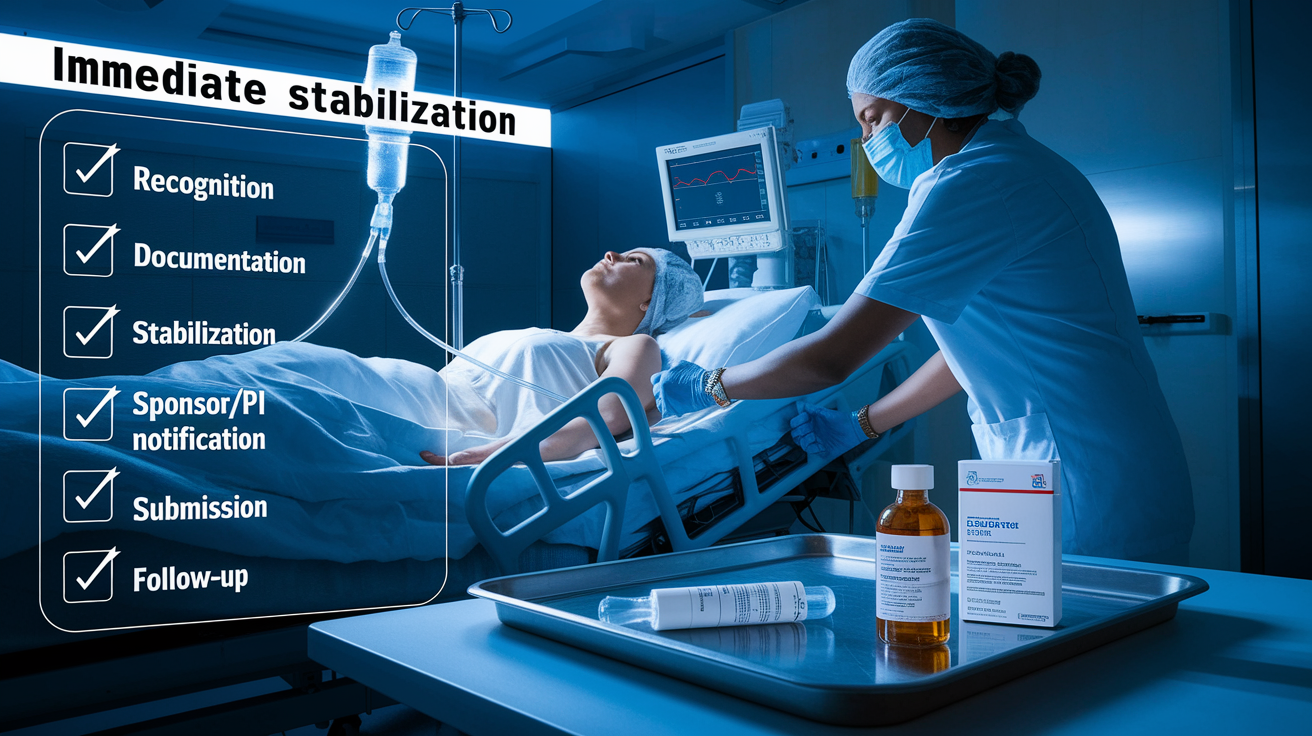
Provider checklist for documenting treatment complications begins the moment a provider suspects a serious adverse event related to a regenerative medicine product. The workflow must balance immediate patient care with the need to preserve evidence and initiate regulatory notifications. Timeline from event discovery to submission typically spans hours to days depending on event severity, with life threatening events requiring same day sponsor and institutional notifications and less severe serious events following a seven to fifteen day reporting window once internal triage and documentation are complete. Adverse event triage and severity assessment tools like the Common Terminology Criteria for Adverse Events help standardize grading of laboratory abnormalities, organ toxicity, and clinical symptoms. This enables consistent categorization across providers and sites. Emergency unblinding and safety reporting may be necessary during blinded clinical trials when knowledge of treatment assignment is essential for patient management. Sponsors maintain unblinding procedures and can be contacted twenty four hours a day to facilitate safe, protocol compliant decision making while preserving trial integrity.
Immediate Clinical Stabilization and Evidence Preservation
The first hour after recognizing a serious adverse event focuses on stabilizing the patient and securing all physical evidence related to the product and its administration. Providers must initiate appropriate medical interventions (fluid resuscitation for hypotension, antibiotics for suspected sepsis, corticosteroids or antihistamines for immune mediated reactions, or advanced airway management for respiratory distress) while simultaneously documenting the time of symptom onset, the clinical presentation, and all interventions in the medical record with precise timestamps. Preservation of product samples is time sensitive. If any unused product remains, it must be quarantined immediately in its original container, labeled with the patient identifier and event details, and stored under chain of custody protocols that prevent tampering or loss. Photographs should be taken of the product vial, packaging, lot and serial number labels, temperature logs if available, and the administration site if there are visible signs of reaction (swelling, erythema, or necrosis). If the event involves a device component (a catheter, scaffold, or delivery system), the device must be retrieved if safely possible, photographed, and stored in a secure location with a chain of custody log documenting who handled the device and when. Manufacturers and FDA may request the device for failure analysis.
Internal Documentation and Escalation
Once the patient is stable, the provider must create an internal incident report within the facility’s electronic health record or adverse event tracking system, entering all available data fields including patient demographics, product identifiers, event narrative, and initial severity and causality assessments. The site principal investigator or medical director must be notified immediately for investigational products, typically within the first few hours. The institutional safety officer or risk management contact should be informed in parallel so that the facility can initiate its own quality review and determine whether additional protective measures (holding other lots of the same product or reviewing other patients who received similar treatments) are warranted. For clinical trials, the investigator must consult the protocol’s safety reporting plan to identify sponsor notification procedures, which usually include a dedicated safety hotline or email address monitored around the clock, and must provide the sponsor with a preliminary safety report containing all key data elements even if diagnostic workup is incomplete. Internal escalation matrices typically route serious adverse events to the department chair, compliance officer, and IRB coordinator within twenty four to forty eight hours, creating a documented audit trail that satisfies institutional policy and prepares the organization for potential regulatory inspections or sponsor audits.
External Reporting to Regulators and Sponsors
External reporting begins with immediate sponsor or manufacturer notification, which federal regulations require and which enables the sponsor to assess whether the event meets criteria for expedited IND safety reporting or postmarketing reporting timelines. For investigational products, the sponsor is responsible for submitting the IND safety report to FDA via the Electronic Submissions Gateway within seven days for fatal or life threatening suspected serious unexpected adverse reactions and within fifteen days for other serious unexpected reactions. The provider’s obligation is to supply complete and accurate source data rapidly so the sponsor can meet these deadlines. For marketed regenerative products, the manufacturer must file expedited postmarketing reports to FAERS within fifteen days if the event is serious and unexpected. Providers can file a voluntary MedWatch Form FDA 3500 in parallel if they wish to alert FDA directly, and should always notify the manufacturer by phone and in writing. IRB notification must occur per the institution’s SOP, commonly within seven calendar days for serious unanticipated problems and immediately for fatal or life threatening events. The IRB will review the event to determine whether protocol modifications, informed consent updates, or study suspension are necessary to protect other participants. For human cell and tissue products regulated under 21 CFR Part 1271, the provider must notify the tissue establishment immediately of suspected adverse reactions or communicable disease transmission. The establishment is then responsible for notifying FDA, other consignees who received products from the same donor or lot, and relevant state or local health authorities per HCT/P adverse reaction reporting requirements.
Follow Up, Corrections, and Final Reporting
Follow up reporting obligations continue after the initial submission as new diagnostic information, final lab results, autopsy findings, or outcome data become available. Sponsors and manufacturers are required to update their IND or FAERS submissions within fifteen days of obtaining material new information. Providers must supply the sponsor or manufacturer with complete copies of medical records, discharge summaries, imaging studies, pathology reports, microbiology cultures, and any additional diagnostic testing performed during the evaluation of the event. All documents must be de identified per HIPAA requirements but still contain sufficient detail to support causality and severity assessments. Corrective actions documented in follow up reports might include lot holds or recalls initiated by the manufacturer, protocol amendments requiring additional safety monitoring or dose reductions, updates to informed consent documents to reflect newly recognized risks, and implementation of risk mitigation strategies (pre medication, slower infusion rates, or enhanced laboratory surveillance). Final outcome reporting should specify whether the patient recovered completely, recovered with sequelae (permanent organ damage or disability), required ongoing treatment, or died. It should provide a final causality assessment supported by the complete diagnostic workup and any expert consultation obtained during the case review. Record retention requirements vary by product type and institutional policy but commonly mandate that all source documents, product samples, images, and correspondence related to a serious adverse event be retained for at least fifteen years for gene therapies with long term follow up protocols, and at least two years beyond the conclusion of a clinical trial or the product’s market withdrawal for other investigational or marketed biologics.
Product Specific Reporting Differences in Regenerative Medicine
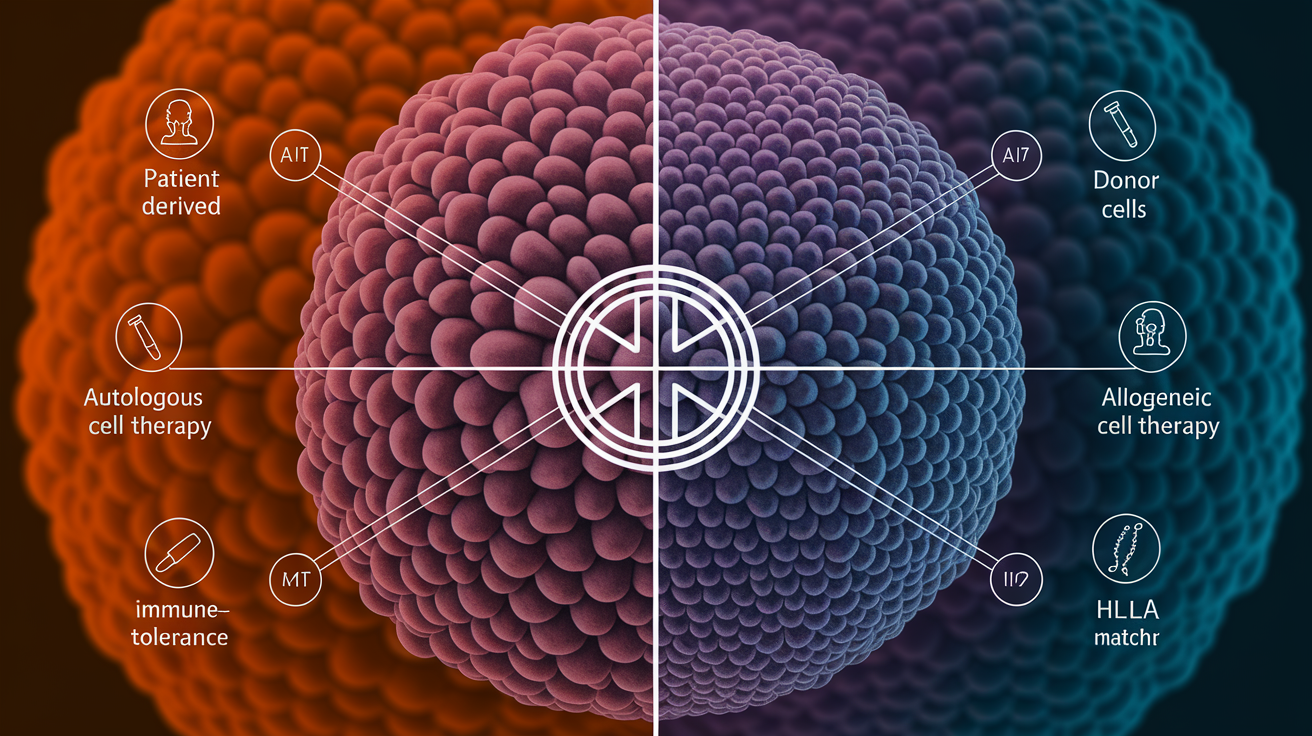
Autologous and allogeneic cell therapies carry distinct adverse event profiles and reporting emphases. Autologous products are more often associated with manufacturing process variability, contamination during collection or processing, and patient specific immunogenicity. Allogeneic products introduce donor related risks including graft versus host disease, transmission of latent infections, and HLA mismatch complications that require immediate reporting and often trigger lot wide investigations and patient notification campaigns. Infection and sepsis event reporting after grafts or intra articular cell injections must capture detailed microbiology data including culture results, antibiotic susceptibility, and molecular typing to determine whether the organism originated from the product, the patient’s endogenous flora, or the clinical environment. If multiple patients treated with cells from the same manufacturing run develop similar infections, a cluster investigation and potential product recall become urgent priorities. Cold chain breach reporting for cell products is mandatory when temperature excursions occur during storage or transport, even if the product hasn’t yet been administered. Deviations from specified storage conditions (freezing when refrigeration was required, or thawing before scheduled use) can compromise sterility, potency, and safety. Manufacturers and sponsors must be notified immediately of any suspected temperature deviation, and the product should be quarantined and not used until the manufacturer completes a failure investigation and issues a disposition decision.
Gene therapy adverse events introduce unique reporting considerations related to vector biology, biodistribution, and long term effects that may not appear until months or years after treatment. Immunogenicity adverse events reporting for gene therapies must document anti vector antibody titers, T cell responses, complement activation, and cytokine panels. Severe immune reactions (cytokine release syndrome, macrophage activation syndrome, and hemophagocytic lymphohistiocytosis) can be life threatening and require intensive care management with immunosuppressive therapies (corticosteroids, tocilizumab, or anakinra). Tumorigenicity signal reporting in cell therapies and insertional mutagenesis concerns in integrating viral vectors require long term follow up protocols that extend fifteen years or more, with annual surveillance for new malignancies, clonal expansions, or abnormal tissue growths. Any confirmed or suspected tumor related to a regenerative product triggers expedited reporting and often prompts FDA to request additional data from all patients treated in the same trial or with the same product lot. Biodistribution studies and post treatment imaging may reveal off target localization of cells or vector. Any evidence of cells or gene expression in organs or tissues outside the intended target site (liver, lung, or gonads) should be reported even if the patient remains asymptomatic. This information updates the product’s known safety profile and informs risk benefit assessments for future patients.
Human cell and tissue products regulated under 21 CFR Part 1271 carry specific obligations for tracking and reporting suspected communicable disease transmission. Establishments must maintain donor eligibility records, serological test results, and complete chain of custody documentation that allows rapid traceback when an adverse reaction is reported. If a recipient develops a viral, bacterial, fungal, or prion disease that could have originated from donor tissue, the establishment must immediately notify FDA, initiate a lookback investigation to identify other recipients of tissue from the same donor, and issue urgent medical alerts to consignees and treating physicians so that other patients can be tested and monitored. Combination products that pair cells or gene vectors with device components (cell seeded scaffolds, bioreactor cartridges, or implantable delivery systems) may require dual reporting under both biologic and device regulations. The provider may need to file or coordinate reports to both the biologics manufacturer and the device manufacturer. Both entities then report to FDA through their respective pathways of FAERS or MDR depending on the product’s primary mode of action.
Institutional Oversight, IRB Requirements, and Quality Systems for Regenerative Therapy Adverse Events

IRB notification for adverse events during clinical research is a federal requirement under 45 CFR 46 and 21 CFR 56, which mandate that investigators promptly report unanticipated problems involving risks to subjects or others to the IRB, the institutional official, and the sponsor. Most IRBs define “promptly” as within seven calendar days for serious adverse events that are unexpected and possibly related to the research, and within twenty four to seventy two hours for events that are fatal, immediately life threatening, or that suggest the research poses a previously unrecognized risk. Failure to meet these institutional timelines can result in protocol suspension, loss of investigator privileges, or findings of non compliance during audits by the Office for Human Research Protections or FDA. Reporting to institutional quality and safety committees (patient safety committees, clinical quality councils, or medication safety boards) adds another layer of oversight that evaluates whether the adverse event reflects broader systemic issues (gaps in training, inadequate informed consent, or environmental contamination) and whether corrective actions are needed across the institution to prevent future events.
Data Safety Monitoring Boards or Data and Safety Monitoring Committees play a critical role in cell therapy trials and gene therapy studies, reviewing aggregate safety data at predetermined intervals or ad hoc when serious adverse events accumulate, and making independent recommendations to sponsors and IRBs regarding study continuation, modification, or termination. These boards are composed of clinicians, statisticians, and bioethicists with no financial interest in the trial. They receive unblinded safety data to assess whether the observed adverse event rate exceeds expected levels or whether a particular event pattern suggests a causal relationship with the investigational product. Root cause analysis after a serious adverse event is a quality management tool required in many clinical trial agreements and institutional policies, involving a structured investigation that maps the sequence of events, identifies contributing factors (protocol deviations, equipment failures, or communication breakdowns), and generates corrective and preventive actions to reduce recurrence risk. Corrective and preventive action systems (commonly referred to as CAPA) must be documented in writing, with assigned responsibilities, target completion dates, and effectiveness checks to verify that the corrective measures actually reduce risk. CAPA documentation becomes part of the trial master file and is reviewed during sponsor audits, IRB continuing reviews, and FDA inspections.
Institutional responsibilities for adverse event oversight include:
Establishing SOPs for adverse event identification, grading, documentation, internal escalation, and external reporting, with clearly defined timelines and responsible parties for each step.
Maintaining a twenty four hour safety hotline or on call system so that investigators and clinical staff can reach a qualified safety officer, medical monitor, or institutional official immediately when a serious adverse event occurs outside normal business hours.
Conducting periodic training for all research personnel on adverse event recognition, documentation standards, reporting channels, and the use of severity grading scales like the Common Terminology Criteria for Adverse Events.
Implementing electronic adverse event tracking systems that prompt users to complete required data fields, flag overdue reports, and generate audit trails showing when events were entered, reviewed, and reported to external parties.
Requiring pre approval review by the institutional biosafety committee, radiation safety committee, or other specialized oversight bodies when regenerative medicine protocols involve viral vectors, radioactive tracers, or biohazardous materials. This ensures that adverse event plans account for these additional safety considerations.
Case Scenarios Illustrating Adverse Event Reporting in Regenerative Medicine
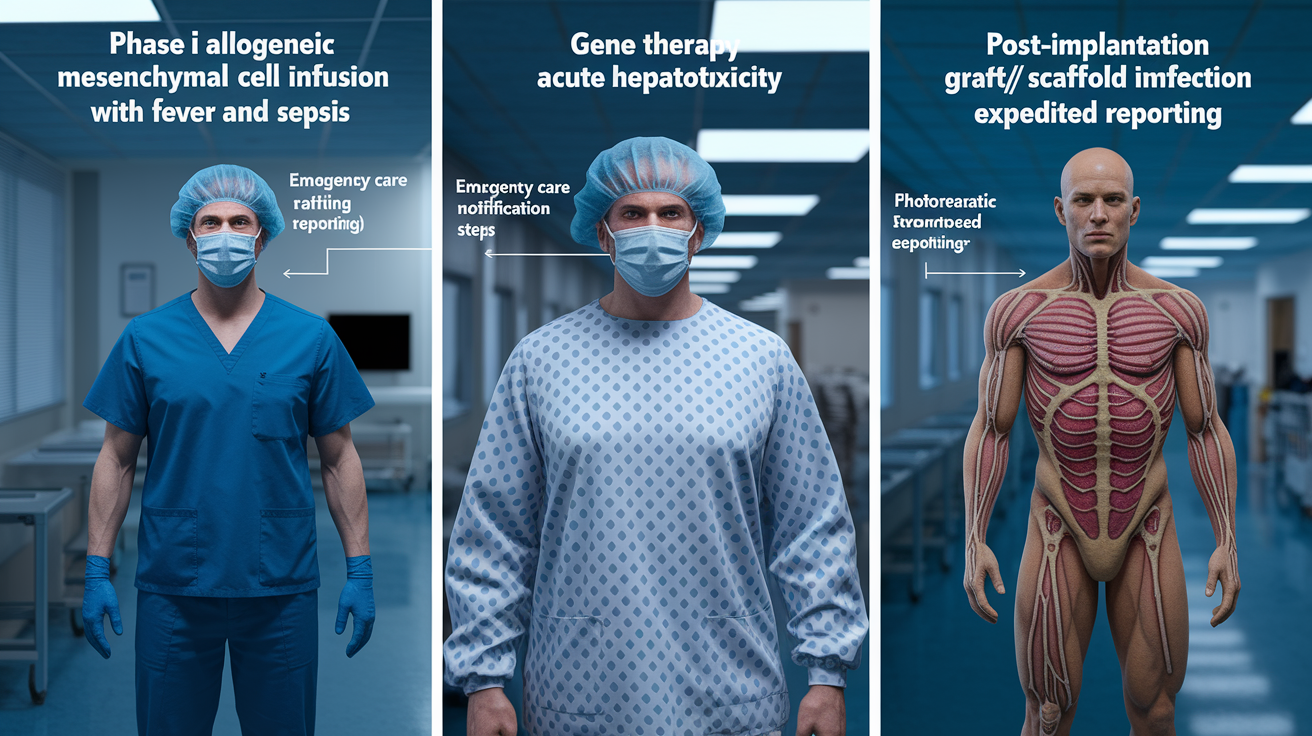
A patient enrolled in a Phase I trial of allogeneic mesenchymal stromal cells for treatment resistant Crohn’s disease develops fever, hypotension, and altered mental status within forty eight hours of intravenous cell infusion. Blood cultures subsequently grow Staphylococcus epidermidis. The treating physician immediately initiates broad spectrum antibiotics and fluid resuscitation, draws additional blood cultures and a complete sepsis workup, and notifies the site principal investigator within two hours. The investigator quarantines the remaining vials of the cell product, photographs the lot labels, and secures the product in a locked freezer with a chain of custody log. The sponsor is notified by phone within four hours and receives a preliminary safety report via email within twelve hours, including the patient’s demographics, product lot number, dose, infusion date and time, symptom onset timeline, and initial lab results. The sponsor files a seven day IND safety report to FDA because the event is life threatening, suspected to be related to the product, and unexpected based on prior clinical experience. The investigator simultaneously notifies the IRB within twenty four hours per institutional policy. The IRB convenes an expedited review to determine whether the study should be paused pending sterility testing of retained product samples. Follow up reporting includes final microbiology results showing the same organism in both blood cultures and a retained product sample, prompting the sponsor to issue a clinical hold and notify all other sites and investigators.
A gene therapy patient receiving an investigational AAV vector treatment for hemophilia B presents to the emergency department ten days post infusion with fever, jaundice, and transaminase levels exceeding one thousand international units per liter, consistent with acute hepatotoxicity. The emergency physician contacts the gene therapy trial coordinator, who activates the protocol’s safety monitoring plan and arranges immediate hospitalization, liver function panel every six hours, coagulation studies, and consultation with hepatology. The site investigator notifies the sponsor within two hours via the trial’s twenty four hour safety hotline. The sponsor’s medical monitor reviews the case and determines it meets the definition of a suspected serious unexpected adverse reaction because severe hepatotoxicity wasn’t listed as an expected event in the investigator brochure. The sponsor submits a fifteen day IND safety report to FDA and issues a safety alert to all investigators within seventy two hours, recommending enhanced liver function monitoring for all patients and providing guidance on dose modification or corticosteroid use if transaminases continue to rise. The institutional IRB is notified within seven days and requests an amendment to the informed consent document to explicitly describe the risk of severe liver injury and the need for frequent lab monitoring. The patient recovers after receiving corticosteroids and supportive care. A follow up IND safety report is submitted within fifteen days of discharge, including final liver biopsy results and causality assessment confirming a probable relationship to the gene vector.
Two patients who received tissue allografts from the same donor develop surgical site infections with an identical bacterial strain. Microbiological typing suggests a common source. The orthopedic surgeon treating the first patient reports the infection to the tissue bank within twenty four hours. The tissue establishment initiates a traceback investigation, reviewing donor screening records, processing logs, sterility testing, and environmental monitoring data. When the second case is reported two days later, the establishment immediately notifies FDA’s Office of Tissues and Advanced Therapies and issues urgent medical alerts to all consignees who received tissue from the same donor, recommending that remaining grafts be quarantined and not used pending completion of the investigation. The tissue bank files adverse reaction reports per 21 CFR Part 1271 for both patients, including detailed microbiology data, donor eligibility documentation, and a preliminary root cause analysis suggesting a breach in aseptic technique during processing. All affected patients are contacted for clinical follow up. The establishment implements corrective actions including retraining of processing staff, validation of revised aseptic protocols, and increased frequency of environmental monitoring and sterility testing. FDA conducts an inspection and reviews the CAPA plan before allowing the establishment to resume distribution.
A patient treated with an investigational cartilage repair product delivered via a biodegradable scaffold device experiences sudden knee swelling and pain two weeks after implantation. Arthroscopic evaluation reveals turbid joint fluid and visible contamination of the scaffold. The orthopedic surgeon removes the scaffold, sends samples for microbiology and pathology, and documents the device lot number, photographs, and gross findings. Because the product is a combination of a cell component and a device, the surgeon notifies both the cell manufacturer and the device manufacturer within hours. Each company initiates its own investigation. Cells are tested for sterility and endotoxin, while the scaffold undergoes failure analysis to determine whether packaging integrity or sterilization process failures occurred. The sponsor files an IND safety report to FDA as a serious adverse event and also submits a Medical Device Report because the device component’s failure contributed to the patient’s injury. The institutional IRB is notified and suspends enrollment pending receipt of the investigation results and corrective actions. Final reporting determines that the scaffold was contaminated during manufacturing due to an equipment malfunction, leading to a voluntary recall of all devices from the affected lot and implementation of additional in process sterility checks.
Compliance Best Practices for Providers Reporting Regenerative Medicine Adverse Events

Quality assurance measures to prevent reporting failures begin with written SOPs that define adverse event recognition triggers, assign specific roles and responsibilities for documentation and reporting, and establish internal audit schedules to verify that adverse events are being captured and reported according to protocol and regulatory timelines. Clinical operations SOPs for adverse event management should include job aids or checklists that guide clinical staff through the documentation process at the point of care. This ensures that critical data elements (patient identifiers, product lot numbers, administration dates, symptom onset times, and initial vital signs) are recorded immediately and accurately before memory fades or shift changes occur. Metrics for monitoring adverse event reporting compliance are essential for institutional oversight and should track the time from event recognition to internal documentation, the time from documentation to sponsor or IRB notification, the completeness of data fields in submitted reports, and the rate of overdue or missing reports flagged during audits. Patient safety culture in regenerative clinics depends on creating an environment where staff feel safe reporting adverse events without fear of blame, where near misses and protocol deviations are discussed openly in morbidity and mortality conferences or safety huddles, and where leadership visibly prioritizes timely and transparent reporting as a measure of quality rather than a sign of failure.
Practical compliance strategies:
Creating adverse event documentation templates or electronic forms that auto populate required fields and prompt users to attach lab results, images, product labels, and chain of custody logs. This reduces the risk that critical information will be omitted or entered inconsistently across reports.
Implementing lot tracking and inventory management systems that link each product dose to a specific patient and administration date, enabling rapid identification of all patients who received the same lot if a cluster of adverse events or a product quality issue is discovered.
Establishing sponsor communication trees with primary and backup contacts, mobile phone numbers, after hours pager systems, and documented escalation paths so that investigators can always reach a qualified medical monitor or safety officer within minutes when a life threatening event occurs.
Conducting annual training and competency assessments for all research coordinators, nurses, physicians, and pharmacists involved in regenerative medicine protocols, covering adverse event definitions, causality assessment, severity grading scales, institutional reporting timelines, and the consequences of non compliance.
Scheduling regular internal audits of adverse event files, comparing the count and severity of events documented in source records against the events reported to sponsors, IRBs, and FDA. Use audit findings to identify training gaps, workflow bottlenecks, or unclear SOP language that contribute to underreporting.
Maintaining a centralized adverse event registry or database that captures all events across all regenerative medicine trials or treatments within the institution. This allows quality and safety committees to detect patterns, compare event rates against benchmarks, and prioritize corrective actions for the highest risk products or procedures.
Final Words
in the action we walked through the rules that decide how adverse events get reported, IND vs licensed biologic vs HCT/P, and the main regulatory forms and channels providers use.
We defined what counts as reportable, the data you must capture, and a simple workflow for stabilizing, documenting, and notifying sponsors and regulators.
If you want a practical checklist, focus on accurate documentation, clear chain of custody, timely MedWatch Form FDA 3500 filing, and knowing how providers report adverse events in regenerative medicine. That keeps patients safer and protects your program.
FAQ
Q: Which regulations apply depending on whether a product is an IND, a licensed biologic, or an HCT/P?
A: The regulations that apply depend on product status: INDs follow 21 CFR 312.32, licensed biologics use 21 CFR 314.80/600.80 postmarketing rules, and HCT/Ps fall under 21 CFR 1271.
Q: How do providers report adverse events to FDA and institutional channels?
A: Providers report adverse events through FDA and site channels: file MedWatch Form FDA 3500 for individual events, submit IND safety reports via the ESG, and notify IRBs and sponsors per site procedures.
Q: What counts as a reportable event in regenerative medicine?
A: A reportable event is any serious or unexpected reaction — death, life-threatening event, hospitalization, persistent disability, or congenital anomaly — with unexpectedness judged against labeling or the investigator brochure.
Q: What forms and portals are used for safety submissions?
A: Safety submissions use MedWatch 3500/3500B/3500A for adverse events, FAERS for marketed drug signals, IND reports via the ESG, and MDR pathways for device-related combination products.
Q: What are the reporting timelines providers should know?
A: Reporting timelines include the IND fatal or life-threatening rule (7 days), SUSAR 15-day reports for unexpected serious reactions, postmarketing 15-day reporting, IRB prompt notification, and urgent HCT/P communicable disease alerts.
Q: What data elements are required in an adverse event report?
A: AE reports must include patient identifiers, product lot/serial numbers, dose and route, administration and AE onset dates, a clinical narrative, labs/imaging, chain-of-custody notes, and standardized MedDRA/CTCAE coding.
Q: What immediate steps should a provider take when encountering a serious adverse event?
A: When encountering a serious adverse event, stabilize the patient, preserve evidence and product, document findings, notify the site PI and safety officer, inform the sponsor/manufacturer, and file required regulatory reports with follow-up.
Q: How do reporting obligations differ by product type?
A: Reporting differs by product: cell therapies focus on immunogenicity and tumorigenicity signals, gene therapies emphasize cytokine release events, HCT/Ps track communicable disease, and combination products may need dual drug/device reporting.
Q: What institutional oversight and IRB responsibilities apply to AE reporting?
A: Institutional oversight requires prompt safety office notification (commonly 24–72 hours), IRB reporting, DSMB engagement when active, root cause analysis, CAPA implementation, and adherence to record retention policies.
Q: What are the top compliance best practices for providers reporting AEs?
A: Top compliance practices are written SOPs, accurate lot tracking, standardized forms and templates, safety hotlines, clear sponsor contact trees, routine staff training, and regular audits of reporting metrics.