
Think cardio means pounding pavement and sore knees?
It doesn’t have to.
You can raise your heart rate, lose weight, and feel stronger without hammering cartilage or ending the day in pain.
In this post I’ll walk through the best low-impact cardio that protects your knees, like swimming, cycling, the elliptical, rowing, and walking, explain why each one helps joint health, and give simple, safety-first tips so you can pick what fits your pain, access, and daily life.
Top Joint-Friendly Cardio Options That Protect Your Joints from Stress
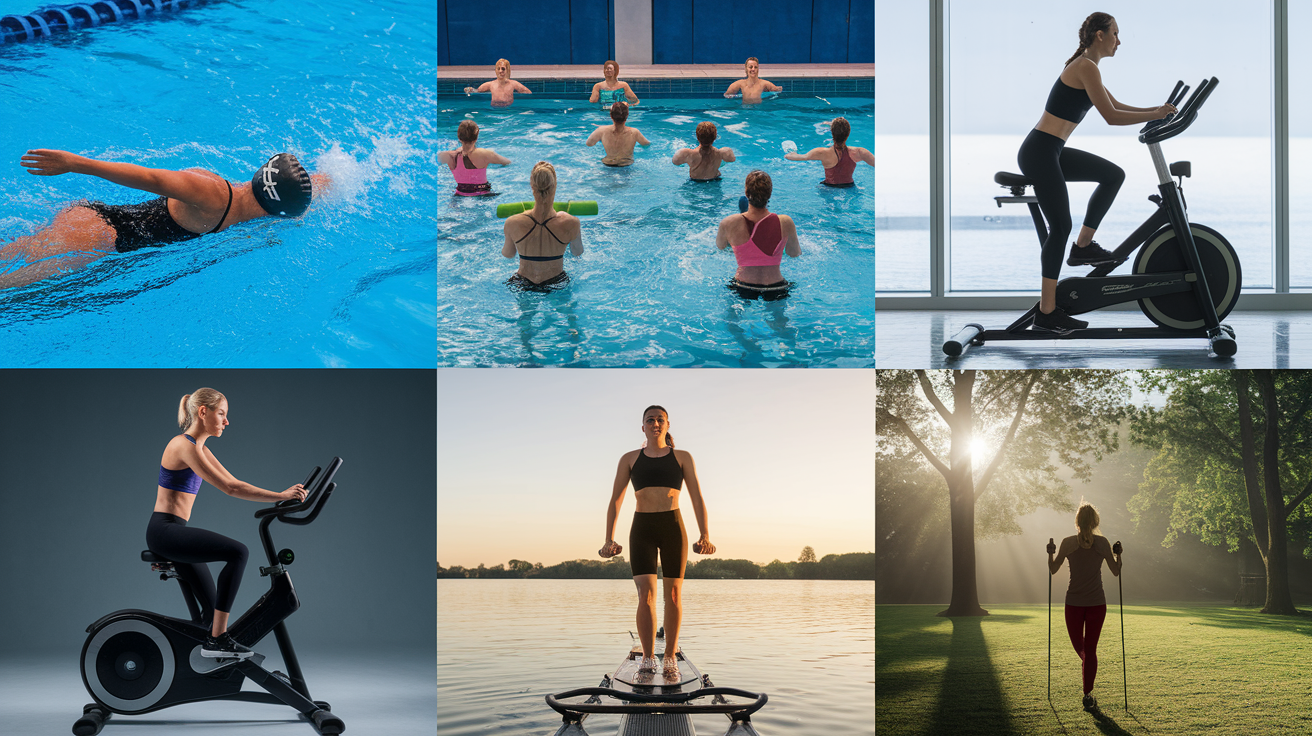
The safest cardio for your joints has one thing in common: it keeps your heart rate up without hammering your knees, hips, or ankles into the ground. These activities either keep at least one foot planted, use equipment to hold your body weight, or drop you into water where buoyancy does most of the work. Instead of pounding cartilage over and over, they spread the load across bigger muscle groups and cut down on the peak pressure hitting vulnerable spots.
Here are six joint-friendly cardio activities you can start today:
- Swimming laps: buoyancy takes the weight off and gives you almost zero impact.
- Water aerobics or pool walking: resistance training mixed with cardio, all in a forgiving environment.
- Stationary or recumbent cycling: your seat holds your body weight, so your hips and knees don’t have to.
- Elliptical trainer: feels like running but skips the part where both feet leave the ground.
- Rowing machine: full-body work with minimal shock if you keep your form tight.
- Brisk walking or Nordic walking: weight-bearing you can control by adjusting speed and terrain.
Pick based on where you’re feeling pain and what you can actually access. Knees or hips acting up during weight-bearing? Start with water or recumbent cycling. Lower back giving you trouble? Skip rowing until your core catches up, and lean toward swimming or the elliptical. Managing pain in multiple joints? Rotate between water work and cycling so each area gets recovery time while you keep cardio going.
Why Low-Impact Cardio Supports Better Joint Health
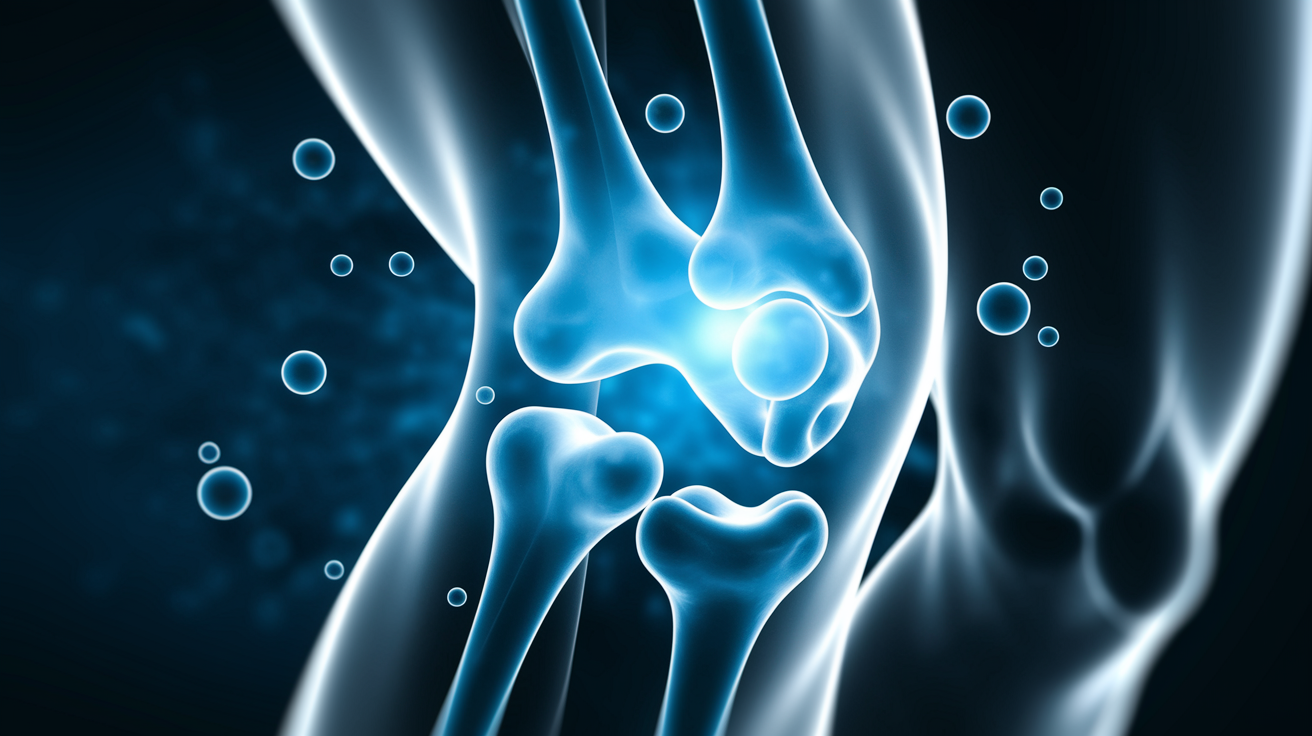
Low-impact cardio cuts down on the repetitive pounding that wears cartilage thin. But it does more than just hurt less. When you move joints through their range without excessive force, synovial fluid circulates better. That fluid bathes cartilage and ligaments in nutrients and keeps surfaces lubricated, which matters because those tissues don’t have their own blood supply. Movement also tells the muscles around the joint to get stronger, which improves stability and pulls pressure off the joint itself.
Consistent low-impact activity helps you manage weight. Every pound you drop removes about four pounds of pressure from your knees when you walk. The metabolic payoff from steady cardio also dials down systemic inflammation over time, which can quiet pain signals and slow conditions like osteoarthritis.
There’s more to it than mechanics. Cardio improves balance, coordination, and mental health. Feeling in control of your movement instead of afraid of it changes the relationship you have with pain. You start asking “what can I do?” instead of “what do I have to avoid?” That matters when the goal is managing things long term, not just patching a problem temporarily.
Water-Based Low-Impact Cardio Options for Joint Pain Relief

Water workouts strip out almost all joint impact because buoyancy holds up roughly 90% of your body weight when you’re chest-deep. Go deeper and the load on your knees, hips, and ankles drops even more. Hydrostatic pressure gently squeezes tissues, which can cut swelling and boost circulation without adding mechanical stress. Warm therapy pools, usually kept around 92°F, help especially with arthritis since heat relaxes stiff muscles and makes movement feel less locked up.
Water pushes back in all directions, so even simple moves like walking across the shallow end or pushing through deep water build strength without needing weights or bands. Classes usually run 30 to 60 minutes and mix aerobic intervals with resistance drills. Pool access varies. Free community pools exist. Gym memberships run $30 to $60 a month. Drop-in fees sit between $2 and $10 per visit.
Five water-based cardio options worth trying:
- Lap swimming: freestyle, backstroke, or breaststroke for 20 to 45 minutes.
- Deep-water jogging: grab a flotation belt and mimic running without touching bottom.
- Water aerobics classes: instructor-led sessions with choreographed moves and music.
- Shallow-end pool walking: forward, backward, or side-stepping for 15 to 30 minutes.
- Noodle-assisted resistance drills: push and pull foam noodles to add upper-body work while treading or walking.
Starting Water Workouts Safely
Start with 20 to 30 minutes per session, two to three times a week. Increase duration or frequency as you build tolerance. Keep your core engaged and skip jerky twisting, especially in deeper water where buoyancy can make sudden moves feel deceptively easy. Sharp pain or lingering discomfort after the session means dial back intensity, slow the tempo, or switch to a different stroke or drill. Cold pools can stiffen arthritic joints. If you feel worse after swimming, ask whether the facility has a warmer therapy pool or think about switching to a heated class.
Cycling and Recumbent Bike Workouts That Reduce Knee and Hip Pain
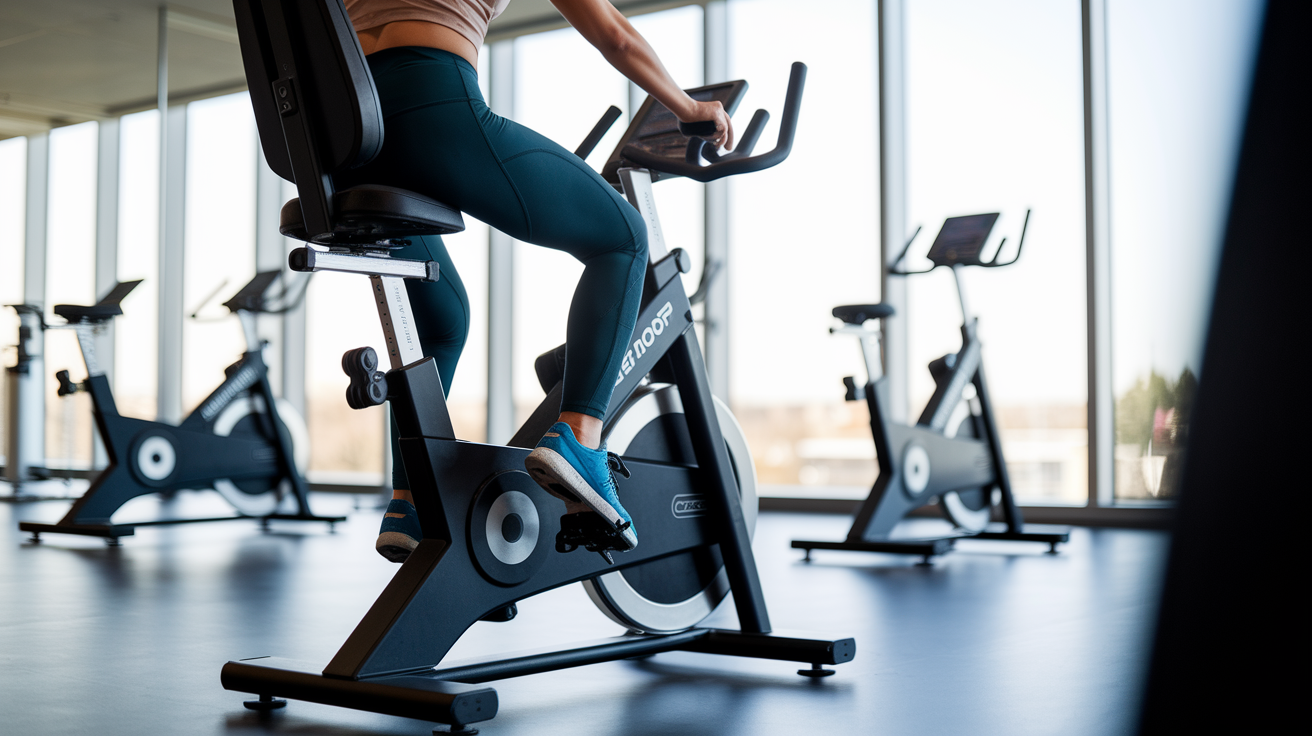
Cycling holds your body weight on the saddle, so your legs push against resistance without absorbing impact. Recumbent bikes go further by reclining your torso and spreading load along your back and hips. That cuts lumbar stress and makes the activity easier to handle if you’ve got lower-back sensitivity on top of joint pain. Both upright and recumbent setups let you control resistance and cadence, so you get precise intensity adjustments without changing how the joint gets loaded.
Sessions usually run 20 to 60 minutes, three to five times a week, at 60 to 90 revolutions per minute. Start with lower resistance and a steady, conversational pace. Can’t talk in short sentences while pedaling? Dial resistance back. Home stationary bikes range from $200 to $1,500 for basic upright models. Recumbent bikes cost between $300 and $2,000 depending on features and build quality.
Four setup and technique points to protect your joints:
• Adjust seat height so your knee stays slightly bent at the bottom of the pedal stroke. Don’t lock out or bend too much.
• Keep resistance low enough to maintain a smooth, circular pedal stroke without grinding through stiff spots.
• Monitor pain during and after. If knee or hip discomfort increases, cut duration, lower resistance, or try a recumbent position.
• Gradually increase session length or add short intervals (30 to 60 seconds of slightly higher effort) once steady-state rides feel comfortable.
Elliptical, Rowing, and Machine-Based Low-Impact Cardio Alternatives
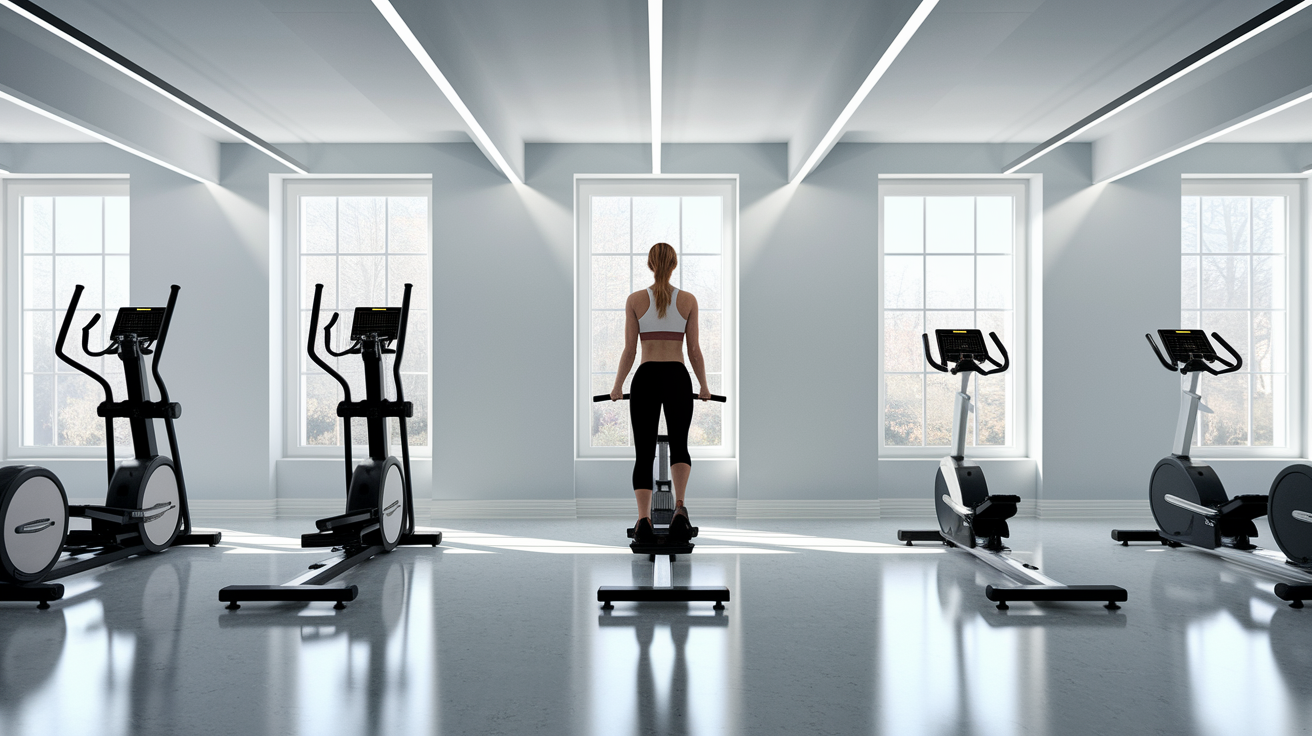
Elliptical trainers keep your feet on pedals the whole time, so there’s no impact phase where your full body weight crashes down. The motion feels like running or walking but removes the repetitive shock that aggravates knees and hips. Many ellipticals have moving handles, which turns the workout into full-body cardio without adding joint stress. Sessions typically last 20 to 45 minutes, three to five times a week, with adjustable resistance and incline to tweak intensity.
Rowing machines offer another full-body, low-impact option when your technique stays controlled. The drive phase uses legs, core, and back in sequence, which spreads effort across major muscle groups and keeps stress off individual joints. Poor form, especially pulling with your back before your legs finish the drive, can create strain. Start with 10 to 30 minute sessions at low resistance and focus on smooth, deliberate strokes. Home rowers range from $200 to $1,200 or more, depending on resistance type and build.
Home ellipticals cost between $300 and $3,000. Mid-range models around $800 to $1,500 offer solid durability and adjustable programs. Ski trainers and seated ellipticals are less common but give similar benefits with slightly different movement patterns that may feel better if standing ellipticals bother your hips or knees.
| Machine | Why It’s Joint-Friendly |
|---|---|
| Elliptical trainer | Feet stay on pedals; no impact phase; adjustable stride length and resistance. |
| Rowing machine | Full-body cardio with legs driving the stroke; minimal joint shock when form is correct. |
| Ski trainer | Sliding motion mimics cross-country skiing; low impact and engages legs, core, and arms. |
| Seated elliptical | Recumbent position removes standing load; ideal for hip or lower-back sensitivity. |
Walking Programs and Outdoor Low-Impact Options

Walking is the most accessible low-impact cardio option out there. All you need is supportive footwear and a safe surface. Brisk walking at 3 to 4 miles per hour counts as moderate-intensity cardio, and you can tweak speed, incline, or duration to match your current tolerance. Twenty minutes of walking every day beats one intense session followed by days off because consistency builds fitness and reinforces movement patterns without overloading joints.
Nordic walking adds poles that distribute some body weight to your upper body, cutting load on knees and hips by roughly 10 to 20 percent. The poles also engage your arms, shoulders, and core, turning a simple walk into a more complete workout. Supportive walking shoes typically cost between $50 and $180. Nordic poles range from $30 to $100.
Five walking variations to keep sessions joint-friendly and engaging:
• Flat-surface outdoor walks at a steady, conversational pace for 20 to 60 minutes.
• Interval walking: alternate 2 minutes at a comfortable pace with 1 minute at a slightly brisker speed.
• Incline treadmill walking: set a gentle incline (2 to 5 percent) to increase intensity without cranking speed or impact.
• Nordic walking with poles: focus on a natural arm swing and plant poles at an angle behind you for propulsion.
• Indoor mall or track walking: climate-controlled, even surfaces with minimal trip hazards.
Modifications, Mobility Drills, and Warm-Up Techniques to Reduce Joint Stress

Warming up gets joints ready for movement by increasing synovial fluid circulation, raising tissue temperature, and waking up stabilizing muscles. Skip the warm-up and joints move from stiff and cold straight into loaded activity. That raises injury risk and can make existing pain worse. A proper warm-up doesn’t need to be fancy. Five to 10 minutes of gentle, progressive movement is enough to shift your body into a ready state.
Mobility drills improve range of motion and highlight areas that feel tight or restricted before you add cardiovascular load. Dynamic stretches like leg swings, hip circles, and ankle rotations wake up movement patterns without forcing joints into positions they’re not ready for. Pairing these drills with your warm-up also gives you a chance to notice how your body feels that day, so you can adjust intensity or pick a different activity if something feels off.
Key warm-up elements to include before low-impact cardio:
• 3 to 5 minutes of easy movement in the same mode you’ll use (slow walking, gentle pedaling, easy swimming).
• 8 to 12 controlled leg swings forward and back, then side to side, to mobilize hips.
• 10 to 15 ankle circles in each direction to prep for weight-bearing or pedaling.
• 5 to 8 hip circles or torso rotations to engage core and improve spinal mobility.
Knowing When to Modify, Pause, or See a Clinician During Low-Impact Cardio

Pain during low-impact cardio isn’t always a stop signal. But sharp pain, sudden increases beyond your baseline, or discomfort that lasts more than 48 hours after a session all mean something needs to change. Muscle soreness from effort is normal and usually fades within a day or two. Joint pain that worsens, spreads, or comes with swelling, heat, or stiffness that doesn’t improve with rest needs a closer look and possibly medical review.
Stop immediately if you feel locking, grinding, instability, or you can’t bear weight on the affected joint. Those signs point to structural issues like loose cartilage, ligament strain, or meniscus problems that won’t improve by pushing through. Modify or pause if pain increases during a session but doesn’t force you to stop. Try cutting intensity, shortening duration, switching to a different low-impact option, or adding more rest days between sessions.
See a clinician if pain persists despite modifications, if you notice new swelling or warmth around the joint, or if you’re unsure whether your symptoms are safe to work through. Physical therapists can assess movement patterns, spot compensations, and design a progression plan tailored to your diagnosis and tolerance. Many insurance plans cover therapy for joint pain with a referral. Typical copays run $20 to $50 per session. Self-paying for a one-time assessment often costs between $75 and $200, which can save you from weeks of guessing and potentially making things worse.
Final Words
Start with the safest, joint-friendly moves: water workouts, cycling, elliptical, rowing, and walking — each keeps impact low so knees, hips, and ankles take less stress.
We covered why that matters (less load, better muscle support, improved lubrication), the top six options, quick water and machine choices, walking variations, warm-ups, and safety signs to pause or see a clinician.
Pick one or two you like, build consistency, and check pain as you go. Finding the best low-impact cardio for joint pain is about steady progress and smarter choices.
FAQ
Q: What cardio is good for bad joints, and what cardio won’t hurt my knees or hip?
A: Cardio good for bad joints and that won’t hurt knees or hips includes swimming, water aerobics, cycling, elliptical, rowing, and walking. They lower joint load via buoyancy or seat/foot support; start slowly and stop if pain increases.
Q: What is the 3 3 3 rule cardio?
A: The 3 3 3 rule in cardio usually means three-minute blocks repeated, often three minutes easy followed by three minutes harder across sets, but definitions vary so check the exact structure with your coach or program.