
What if swapping a few foods could ease your sore knees faster than you think?
In plain terms, foods high in omega-3s, antioxidants, and polyphenols can dial down the immune signals that make joints swell and hurt.
Some people notice less morning stiffness and better range of motion within 24 to 72 hours.
This post lays out the fastest anti-inflammatory foods, the common diet traps to avoid, and simple meal moves you can use today to sit, walk, and train with less pain, without replacing your medical care.
Fast-Acting Anti-Inflammatory Foods for Joint Pain Relief
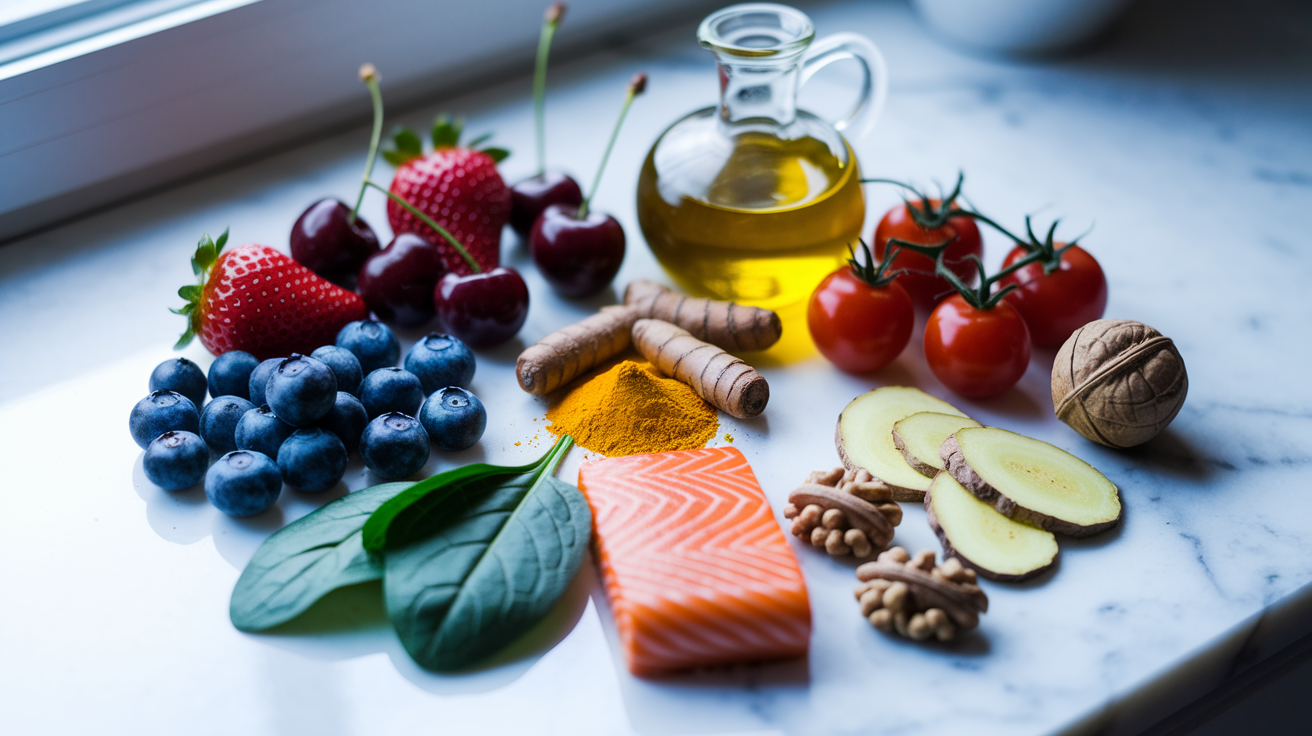
What you eat today changes how your knees or shoulders feel tomorrow. That’s not hype.
When you swap inflammatory foods for anti-inflammatory ones, your body dials down immune signals that make joints swell and hurt. The most effective foods work by reducing cytokines and blocking oxidative stress pathways in your cells. Within 24 to 72 hours, some people notice less morning stiffness or improved range of motion.
It won’t cure arthritis. But it can make daily movement easier.
Fast results come from foods rich in omega-3s, antioxidants, and polyphenols. These compounds help quiet the chronic inflammation that drives joint pain, especially when paired with other recovery tools like movement and sleep.
Eight foods that reduce inflammation quickly:
- Berries (blueberries, strawberries, cherries). High in anthocyanins that lower inflammatory markers.
- Turmeric. Curcumin blocks inflammation pathways. Works best with black pepper.
- Leafy greens (spinach, kale, collard greens). Loaded with antioxidants and vitamin K.
- Oily fish (salmon, mackerel, sardines). Omega-3s reduce joint swelling and tenderness.
- Extra-virgin olive oil. Contains oleocanthal, which acts like a mild natural pain reliever.
- Nuts (walnuts, almonds). Healthy fats and polyphenols lower CRP levels.
- Ginger. Reduces muscle soreness and joint pain after activity.
- Tomatoes. Lycopene combats oxidative stress in joints.
These foods don’t just fight inflammation in theory. Research shows that eating fatty fish at least twice a week can lower inflammatory markers by 20 to 25 percent. Berries have been linked to 10 to 15 percent reductions in markers like CRP. Turmeric shows up in studies with 30 to 40 percent drops in both inflammation and pain scores for people with arthritis.
Most people feel a difference within the first week if they eat these foods daily and cut out the worst offenders. It’s not magic. It’s biology responding to better fuel.
How Diet Influences Inflammation and Joint Pain

Inflammation is your immune system’s alarm response.
When you get injured or fight off infection, white blood cells rush in, causing redness, swelling, and heat. That’s helpful short-term. But when inflammation becomes chronic, it damages tissues instead of protecting them.
Chronic low-grade inflammation is what makes joints stiff, painful, and slow to recover. The trigger isn’t always injury. Sometimes it’s what you eat.
Diets high in sugar, refined carbs, and industrial fats keep immune cells on high alert. Over time, that constant signaling wears down cartilage and irritates joint linings.
Anti-inflammatory foods flip that script. They deliver antioxidants, omega-3 fatty acids, and phytochemicals that block inflammatory cytokines (like IL-6 and TNF-alpha) and reduce oxidative stress. When you lower those markers, you reduce pain signals and joint damage.
Studies tracking C-reactive protein (CRP) and erythrocyte sedimentation rate (ESR) consistently show measurable drops within weeks of switching to an anti-inflammatory eating pattern. It’s not a replacement for medical treatment, but it’s a powerful support tool.
Detailed List of the Best Foods for Long-Term Joint Pain Management
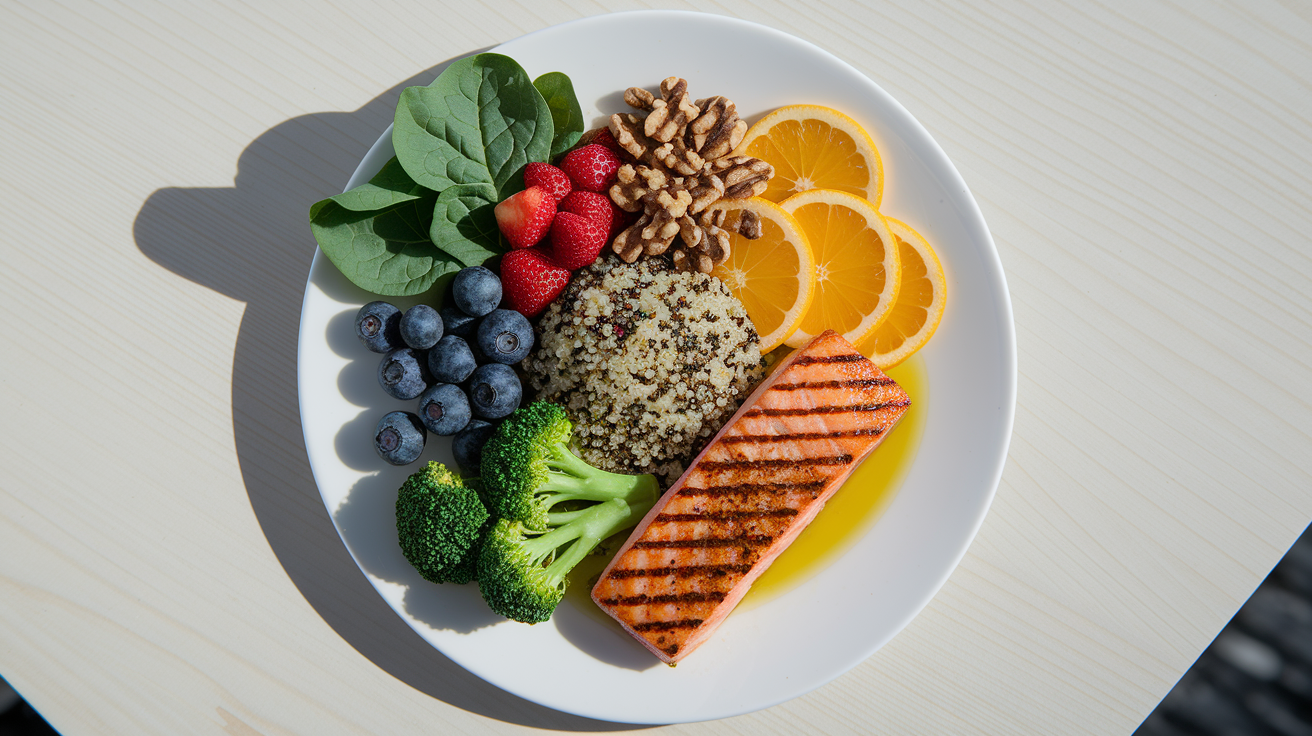
Quick wins matter, but sustained joint health comes from consistent eating patterns.
A long-term anti-inflammatory diet isn’t about chasing one superfood. It’s about building meals around whole, nutrient-dense foods that keep inflammation low day after day.
Anti-inflammatory fats:
- Extra-virgin olive oil
- Avocados
- Walnuts
- Flaxseeds
Anti-inflammatory fruits and vegetables:
- Dark leafy greens (kale, Swiss chard, arugula)
- Cruciferous vegetables (broccoli, Brussels sprouts, cauliflower)
- Berries (blueberries, blackberries, raspberries)
- Citrus fruits (oranges, grapefruit)
Anti-inflammatory spices and whole foods:
- Turmeric (with black pepper for absorption)
- Ginger
- Garlic
- Green tea
These foods work best when they’re not occasional add-ons but the foundation of your plate. Eating them daily supports joint health by reducing systemic inflammation, protecting cartilage, and improving recovery after exercise.
Regular nut consumption is associated with a 35 percent lower risk of elevated inflammatory markers. Whole grains like quinoa and oats have been linked to a 25 to 30 percent reduction in CRP. Legumes such as beans, lentils, and chickpeas show up in studies with up to 40 percent lower inflammation when eaten several times a week.
Foods That Increase Inflammation and Should Be Avoided
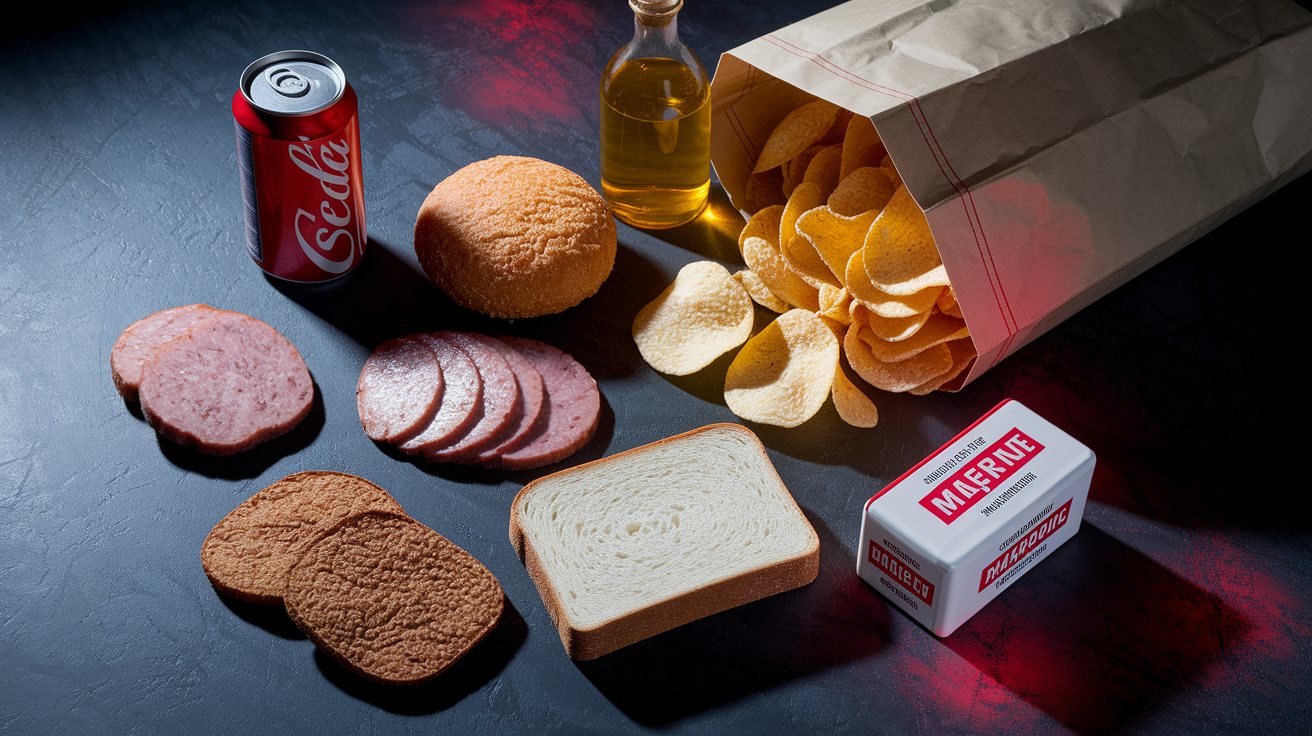
Some foods make joint pain worse. Period.
If you’re dealing with stiff knees, a sore back, or swollen fingers, cutting out the biggest inflammatory triggers can bring faster relief than adding in superfoods alone.
Seven foods that worsen joint inflammation:
- Refined sugars (candy, soda, sweetened coffee drinks). High sugar intake linked to 50 percent increases in CRP.
- Processed meats (hot dogs, sausage, deli meat). Nitrates and preservatives drive inflammation.
- Alcohol (especially in excess). Disrupts immune balance and increases oxidative stress.
- Fried foods (French fries, fried chicken, donuts). Trans fats and damaged oils elevate inflammatory markers.
- High omega-6 oils (corn oil, soybean oil, margarine). Unbalanced omega-6 to omega-3 ratios promote inflammation.
- Ultra-processed snacks (chips, crackers, packaged baked goods). Loaded with additives and refined carbs.
- White flour products (white bread, pastries, bagels). Spike blood sugar and inflammatory cytokines.
These foods don’t just add empty calories. They actively increase levels of IL-6, TNF-alpha, and CRP.
Research shows that people who eat a lot of fried and processed foods have higher baseline inflammation even when body weight is controlled for. That means the food itself, not just the extra pounds, is part of the problem.
Swapping margarine for olive oil, soda for water, and chips for nuts can reduce inflammatory load within days.
Sample Anti-Inflammatory Meal Plans and Daily Eating Structure
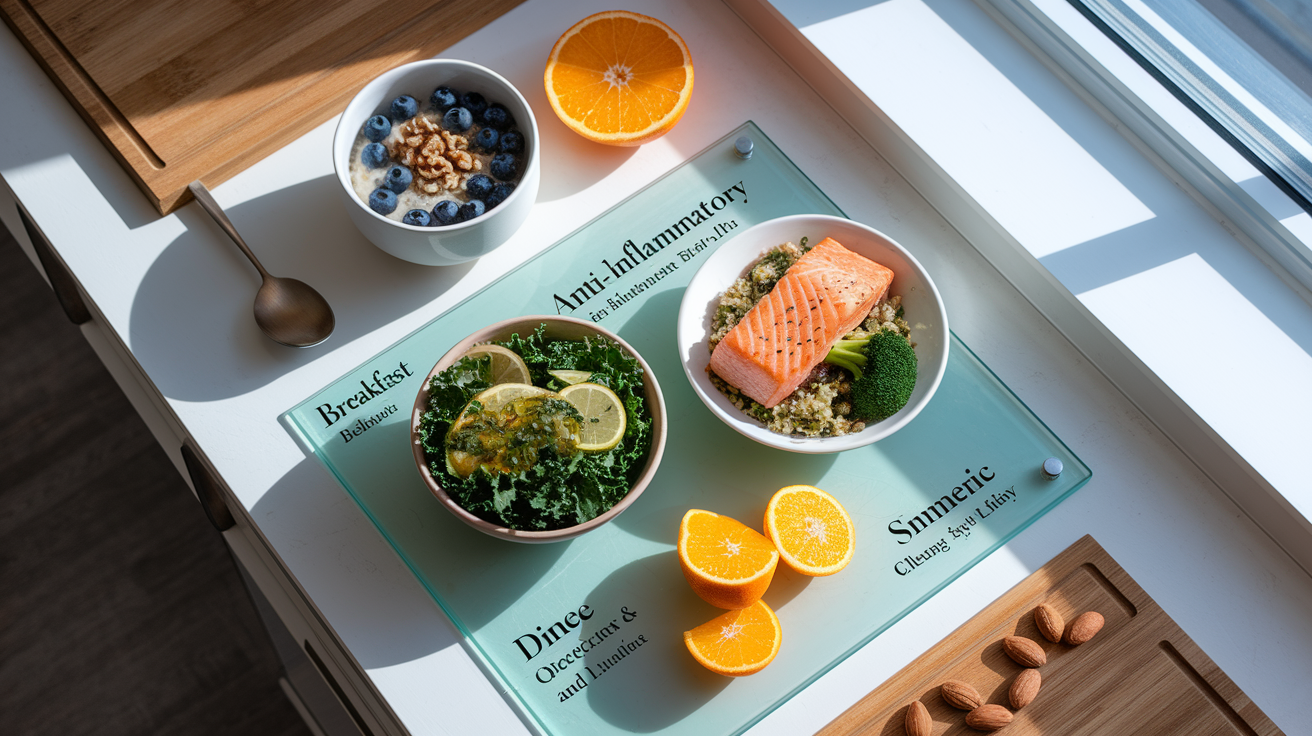
Knowing what to eat is one thing. Actually putting it on a plate is another.
A simple daily structure makes it easier to stay consistent without overthinking every meal.
| Meal | Example | Key Anti-Inflammatory Ingredients |
|---|---|---|
| Breakfast | Oatmeal with blueberries, walnuts, and cinnamon | Whole grains, berries, nuts, spices |
| Lunch | Large salad with kale, cherry tomatoes, canned sardines, olive oil, and lemon | Leafy greens, fatty fish, olive oil, tomatoes |
| Dinner | Baked salmon, steamed broccoli, quinoa, turmeric seasoning | Fatty fish, cruciferous vegetables, whole grains, turmeric |
| Snacks | Handful of almonds, orange slices, green tea | Nuts, citrus, polyphenols |
Aim for at least two servings of fatty fish per week, five or more servings of vegetables daily, and one to two servings of fruit. Use olive oil as your main fat. Add turmeric and ginger to soups, stews, and roasted vegetables.
If your joints are especially sore after activity, front-load antioxidants. Berries at breakfast and a handful of nuts as a pre-workout snack can help blunt the inflammatory response.
On days when pain is worse, keep meals simple and easy to digest. Bone broth, steamed greens, and baked fish are gentle and nutrient-dense.
How Long It Takes to Feel Better on an Anti-Inflammatory Diet

Dietary changes don’t work overnight, but they don’t take forever either.
Most people see some improvement within the first week if they’re consistent.
Early improvements happen fast. Within 24 to 72 hours of cutting out sugar, fried foods, and processed meats, some people notice less puffiness in their hands or feet and slightly easier movement in the morning. That’s your body responding to lower inflammatory signaling. It’s subtle, but real.
Moderate improvements show up in one to three weeks. By this point, pain scores often drop, especially if you’re also managing weight and staying active. Inflammation markers like CRP can start trending down. Studies suggest that people following a Mediterranean-style anti-inflammatory diet see measurable reductions in joint tenderness and stiffness by the three-week mark.
Long-term changes take six weeks or more. That’s when systemic inflammation really settles and joint function improves.
If you’re carrying extra weight, losing about five percent of your body weight during this period can lead to a 20 to 30 percent improvement in pain and function. The timeline varies, but the pattern is consistent: stick with it, and your joints will thank you.
Expert Insights from Nutrition and Joint Health Research
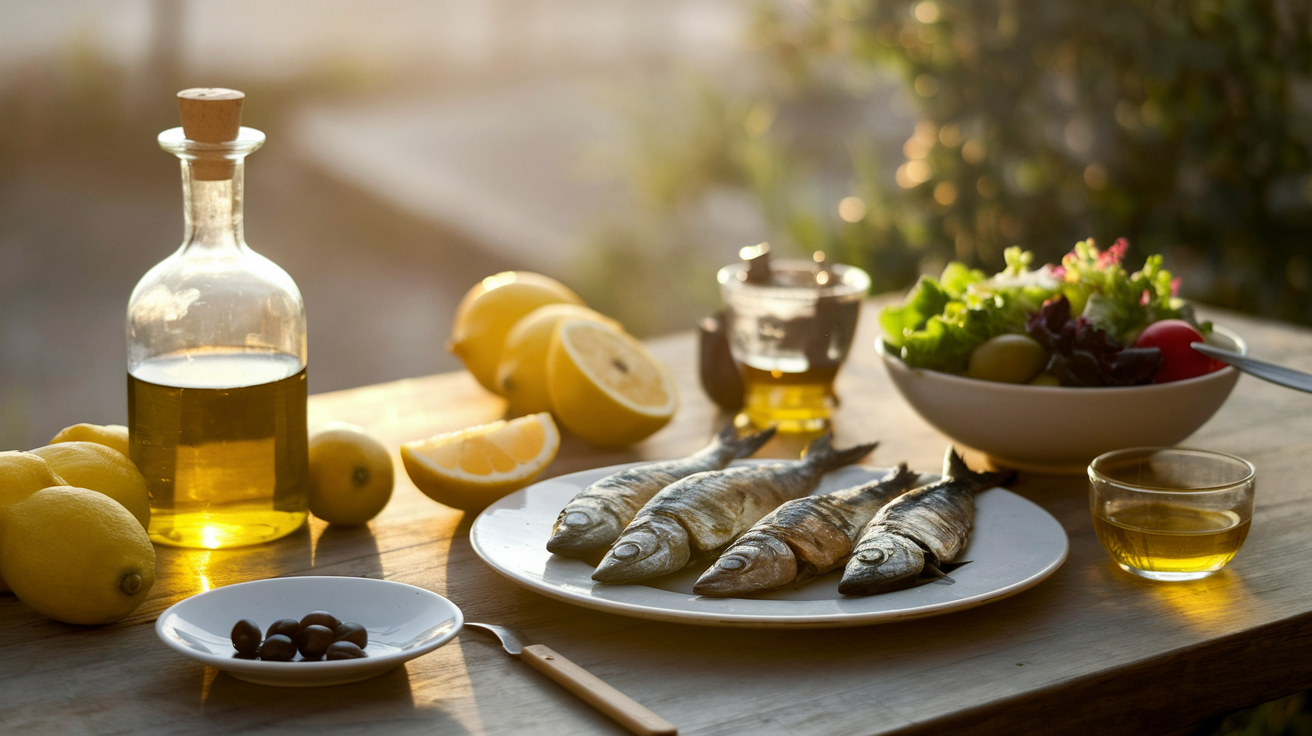
Nutrition professionals and rheumatologists increasingly recommend anti-inflammatory eating as part of arthritis management.
The most common advice is simple: build meals around whole foods, emphasize omega-3s and antioxidants, and avoid ultra-processed items. The Mediterranean diet is often highlighted because it checks all those boxes and has decades of research backing its benefits for inflammation and cardiovascular health.
One mistake people make is expecting food to replace medication. Dietary changes are complementary, not curative. They work best alongside prescribed treatments, physical therapy, and strength training.
Another pitfall is inconsistency. Eating salmon once and then going back to fast food won’t move the needle. Evidence shows that sustained patterns matter more than isolated meals.
If you’re serious about reducing joint pain through diet, plan to commit for at least six to twelve weeks and track your symptoms and weight. That’s when the data and the lived experience line up.
Real-World Success Stories with Anti-Inflammatory Eating

A 52-year-old runner with knee osteoarthritis switched from a standard American diet to a Mediterranean-style plan heavy on fish, greens, and olive oil.
Within four weeks, she reported less morning stiffness and could complete her usual three-mile route without flare-ups. By three months, her CRP dropped from 4.2 to 1.8 mg/L, and she’d lost eight pounds without counting calories.
She still takes her prescribed anti-inflammatory medication, but her dosage was reduced under her doctor’s supervision.
Patterns like this show up across different populations. People who replace fried foods and soda with whole grains, berries, and nuts tend to see gradual but consistent improvements in pain, function, and lab markers.
The wins aren’t dramatic overnight, but they add up. Lower pain scores, better sleep, easier movement, and fewer flare-ups make daily life more manageable.
The key is treating diet as a long-term joint health tool, not a quick fix.
Final Words
Start by swapping in fast-acting anti-inflammatory foods like berries, turmeric, leafy greens, and oily fish. We covered why those foods calm inflammation, a longer list for steady support, what to avoid, sample meal plans, realistic timelines, expert tips, and real-world success stories.
You can notice small wins in 24-72 hours and clearer changes over a few weeks. Track symptoms, tweak meals, and keep movement and sleep part of the plan.
An anti-inflammatory diet for joint pain management is a practical tool that gives you more control. Keep it simple and consistent, and you can move better.
FAQ
Q: What are the fastest-acting anti-inflammatory foods to relieve joint pain?
The fastest-acting anti-inflammatory foods to relieve joint pain include berries, turmeric, leafy greens, oily fish, extra-virgin olive oil, nuts, ginger, and tomatoes; some people feel less stiffness within 24–72 hours.
Q: How does diet influence inflammation and joint pain?
Diet influences inflammation and joint pain by either triggering or calming inflammatory pathways; certain foods change cytokines and oxidative stress, which can alter immune activity and pain levels within days to weeks.
Q: What are the best foods for long-term joint pain management?
The best foods for long-term joint pain management are anti-inflammatory fats (olive oil, salmon), fruits and vegetables (berries, spinach), and spices/whole foods (turmeric, ginger, whole grains); consistent eating matters most.
Q: Which foods increase inflammation and should be avoided?
Foods that increase inflammation and should be avoided include refined sugars, processed meats, alcohol, fried foods, high omega-6 oils, ultra-processed snacks, and white flour products because they can raise inflammatory markers and worsen pain.
Q: How should I structure daily meals for anti-inflammatory results?
You should structure daily meals for anti-inflammatory results around lean protein, omega-3 fats, colorful vegetables, whole grains, and small anti-inflammatory snacks, aiming for balanced meals every 3–4 hours to steady inflammation and energy.
Q: How long will it take to feel better after switching to an anti-inflammatory diet?
How long you’ll feel better after switching varies: some notice early changes in 24–72 hours, clearer improvement in 1–3 weeks, and meaningful long-term shifts after 6+ weeks of consistent eating.
Q: What research or expert advice supports using diet for joint health?
Research and expert advice support anti-inflammatory patterns like the Mediterranean diet; studies report lower inflammatory markers (for example CRP) and symptom improvements, though individual responses and evidence strength vary.
Q: Can anti-inflammatory foods replace medication or medical treatment?
Anti-inflammatory foods can complement medical treatment but usually don’t replace prescribed medications; always consult your clinician before changing meds and use diet as one tool in a broader care plan.
Q: What should I ask my provider when considering dietary changes for joint pain?
Ask your provider about testing inflammatory markers, interactions with medications, realistic timelines, which foods to add or avoid, follow-up plans, and whether a referral to a registered dietitian is recommended.
Q: How do I customize an anti-inflammatory diet for different pain or activity levels?
You should customize an anti-inflammatory diet by adjusting calories, protein, and carbs to match activity and pain: increase omega-3s and antioxidants during flares, add carbs on high-activity days, and track symptoms to refine choices.