
Wondering how much PRP for hair loss costs per session?
Short answer: most clinics charge roughly $500 to $2,500 a visit, with common prices near $800–$1,500.
Why the big gap? Provider skill, kit quality, city rent, and bundled discounts all change the number.
This post breaks down the per‑session math, how many visits you’ll likely need, what affects price, and the practical questions to ask so you can compare quotes and protect your wallet.
PRP Hair Treatment Cost Overview

A single PRP session for hair loss usually runs between $500 and $2,500. Most clinics charge somewhere around $800 to $1,500 per treatment. Your total cost depends on how many sessions your provider thinks you need, typically three to six treatments spaced about a month apart. That puts your initial series anywhere from $1,500 to $9,000, and that range reflects both the number of visits and where you’re getting treated. After you finish the initial series, you’ll need maintenance sessions every four to six months. That’s another $500 to $1,500 per visit added to your annual budget.
Session spacing matters because PRP works slowly. You’re not buying immediate results. You’re paying for a process that takes three to six months to show visible fullness and reduced shedding. Sessions are spaced weeks apart, so you’ll manage payments over several months during the initial phase. Some clinics offer package pricing when you pay for the full series upfront, which can reduce the per-session cost by 15 to 25 percent. “Commit to three sessions and we’ll knock $200 off each treatment.”
Where you live directly changes what you pay. Major metro areas, especially coastal cities like New York, Los Angeles, and San Francisco, often charge the high end of the range or more. Smaller cities and rural markets run closer to the lower end. It’s not unusual to see the same procedure cost $600 in a midsize Midwestern city and $2,000 in Beverly Hills.
Major coastal metros (NYC, LA, SF): $1,200–$2,500 per session
Mid-tier urban markets (Denver, Austin, Seattle): $900–$1,500 per session
Suburban and smaller cities: $600–$1,200 per session
Rural or lower cost of living regions: $500–$900 per session
High demand specialty clinics (anywhere): $1,500–$3,500 per session
Factors That Influence PRP Pricing
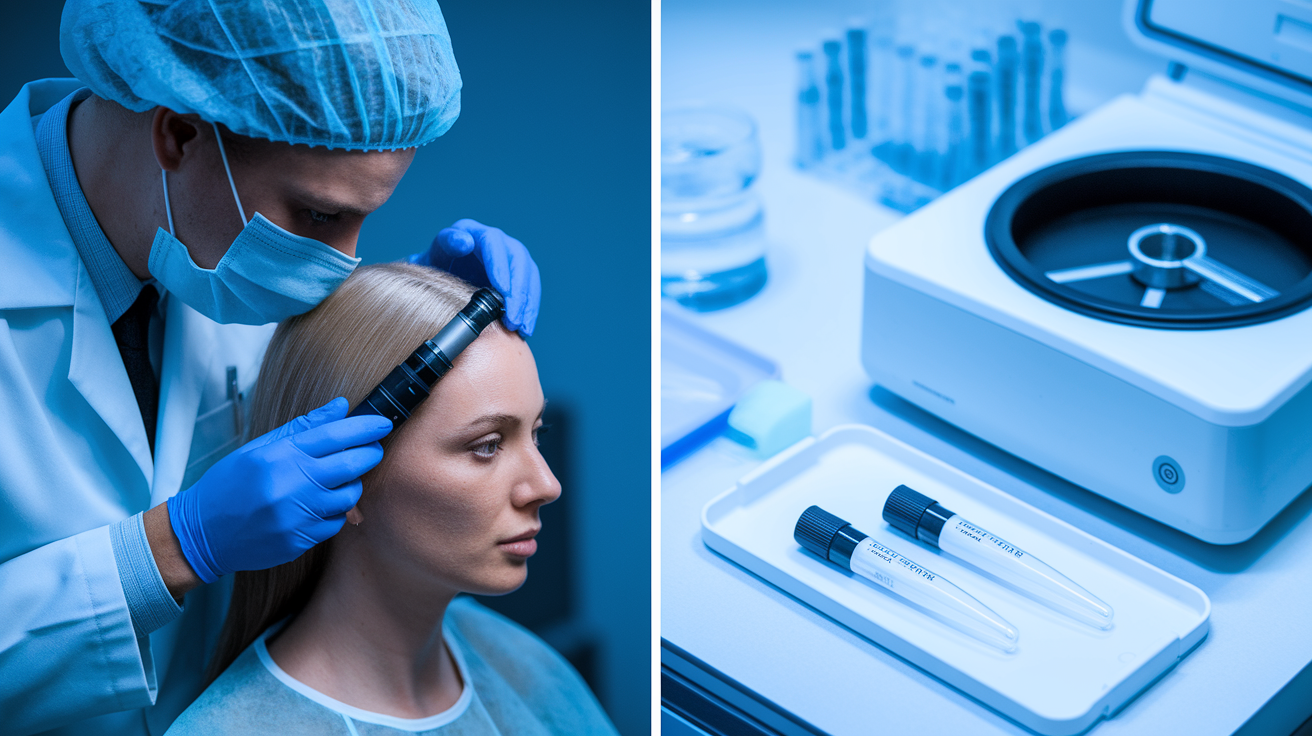
Provider experience and credentials push the price up in predictable ways. Board certified dermatologists, plastic surgeons, or hair restoration specialists who’ve performed hundreds of PRP treatments tend to charge more than general aesthetic practices. You’re paying for skill in both drawing and preparing your blood correctly and injecting precisely into the scalp to reach follicle zones. A provider who’s completed advanced training in hair specific PRP technique will often charge 20 to 50 percent more than a clinic offering PRP as one service among many. The difference between a surgeon who focuses on hair and a med spa offering everything from Botox to IV drips.
The quality of equipment and preparation method matters more than most patients realize. Single spin centrifuge kits are cheaper and faster but may produce lower platelet concentrations. Double spin systems cost the clinic more and take longer but often yield higher concentrations of growth factors. Some clinics add proprietary growth factor formulations or combine PRP with microneedling or low level laser therapy during the same visit, which raises the session fee. Lab quality, sterile technique, and whether the clinic uses FDA cleared devices or imported kits all influence the final number on your invoice.
Geographic cost pressures layer on top of provider and technology differences. Rent, labor costs, malpractice insurance, and local market competition all vary by city. A clinic in Manhattan paying $15,000 a month for a small office will charge more than one in a suburb with $3,000 rent. High demand markets also support premium pricing because patients are willing to pay for convenience, reputation, or shorter wait times. Package pricing can offset some of this by bundling three to six sessions at a discount, but the baseline cost per session still reflects the local cost structure.
Insurance Considerations for PRP Hair Treatment
PRP for hair loss is almost always classified as cosmetic and elective, which means medical insurance typically won’t cover any part of the cost. Insurers view hair thinning and pattern baldness as aesthetic concerns rather than medical conditions, even though the impact on confidence and quality of life can be significant. Most patients pay completely out of pocket. Clinics know this upfront, so they price accordingly and don’t usually spend time submitting claims on your behalf.
Rare exceptions exist when hair loss is directly linked to a documented medical condition. Autoimmune disease, scarring from trauma or surgery, or chemotherapy related alopecia in some cases. Even then, coverage is inconsistent and requires substantial documentation from your treating physician, lab results, and sometimes a letter of medical necessity explaining why PRP is appropriate treatment rather than observation or medication. If you think you might qualify, get written pre-authorization from your insurer before scheduling treatment. Don’t rely on verbal assurances from the clinic that “insurance might cover this.” Get it in writing from the insurance company, or plan to pay the full fee yourself.
Financing and Payment Options
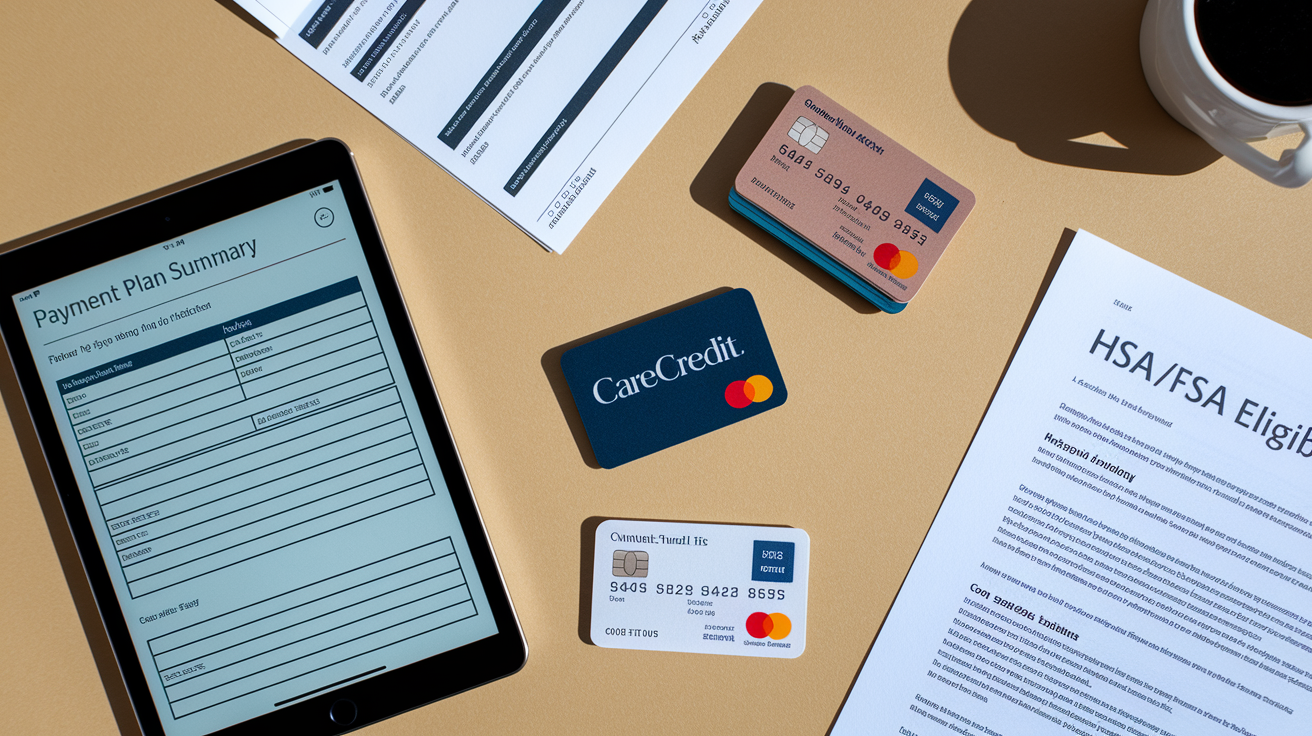
Many clinics recognize that a $3,000 to $6,000 upfront series is a barrier, so they offer payment plans to spread the cost over several months. In house financing might let you pay monthly installments with little or no interest for a set period. Pay $300 a month for twelve months instead of $3,600 up front. Third party medical credit lines like CareCredit are common and function like credit cards designed for health and aesthetic procedures, often with promotional zero interest periods if you pay off the balance within six or twelve months. After the promo period ends, interest rates can jump to 20 percent or higher, so read the terms carefully.
Package discounts reward commitment. If you agree to the full initial series at once, many providers knock 15 to 25 percent off the per session rate. Some also offer loyalty pricing for maintenance visits if you return within a recommended window. “Schedule your six month booster within 30 days of your last session and save $200.” Credit cards, health savings accounts (HSA), and flexible spending accounts (FSA) can sometimes be used for PRP, depending on plan rules and whether your plan administrator considers hair loss treatment eligible. Ask your clinic’s billing staff what they accept and whether they can provide documentation for FSA or HSA reimbursement.
In house monthly payment plans: often interest free for 6–12 months
Third party medical financing (CareCredit, etc.): promotional 0% APR periods, then high variable rates
Package discounts: 15–25% savings when purchasing 3–6 sessions upfront
HSA/FSA use: varies by plan; check eligibility and get itemized receipts
PRP vs Alternative Hair Loss Treatments: Cost Comparison
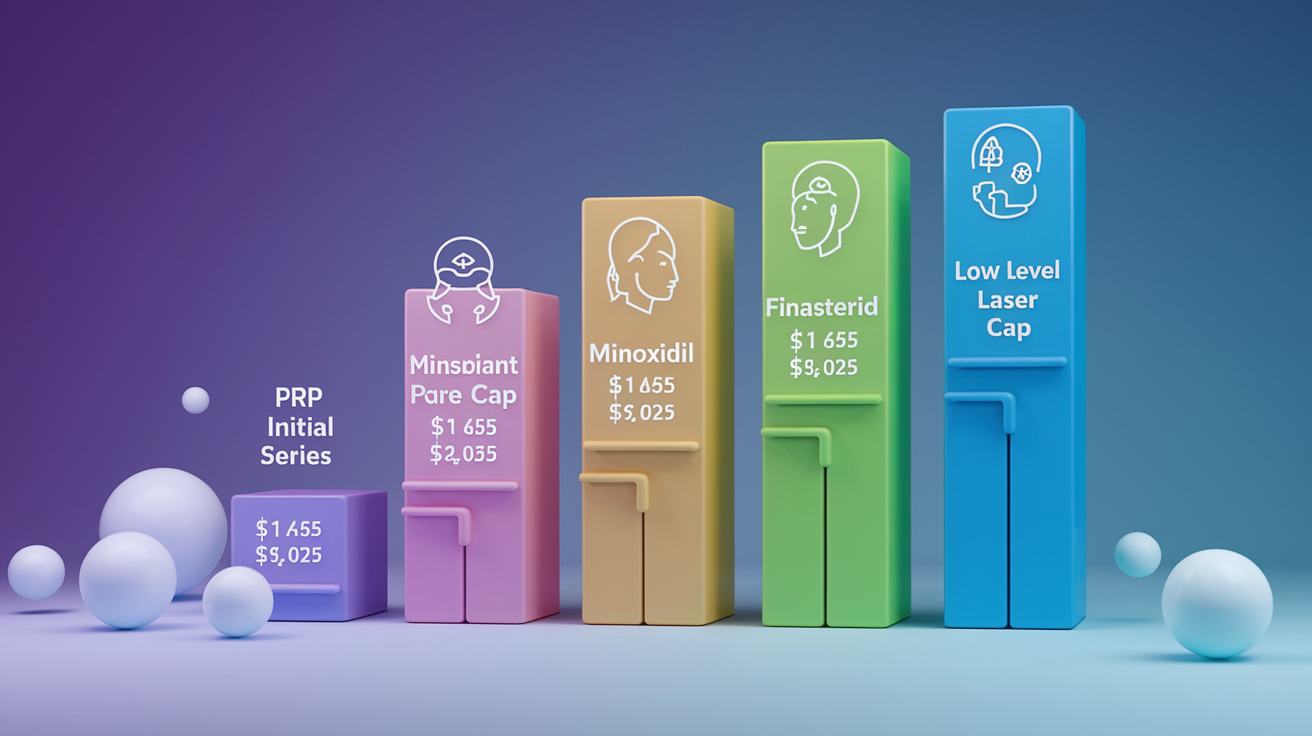
Hair transplant surgery sits at the high end of the cost spectrum, typically ranging from $4,000 to $15,000 or more, depending on the number of grafts and technique used. It’s a one time procedure (or occasionally two sessions) with permanent results, but the upfront investment is steep and recovery involves visible downtime. Topical minoxidil and oral finasteride are the low cost daily options. Minoxidil runs about $10 to $60 per month, and finasteride costs roughly $10 to $80 monthly, especially if you use generic versions. Over a year, that’s $120 to $720 for minoxidil and $120 to $960 for finasteride. Far less than a PRP series but requires indefinite daily use and works mainly to slow loss rather than restore density.
Low level laser caps and devices are a one time purchase, usually between $500 and $2,000, with no recurring cost beyond occasional bulb replacements. They demand consistent at home use, often 20 to 30 minutes several times a week, and evidence for effectiveness is mixed. PRP falls in the middle: higher upfront cost than topicals or lasers, lower than surgery, but with ongoing maintenance sessions that add up over time. Many patients use PRP alongside minoxidil or finasteride rather than as a replacement, which layers costs but may improve overall outcomes.
The real cost difference isn’t just dollars. It’s the type of result and commitment each option requires. Transplants move hair permanently but involve surgery. Medications are cheap monthly but lifelong. PRP is episodic and moderately expensive, with results that fade without maintenance. Your total five year cost for PRP maintenance might rival or exceed a single transplant, depending on session frequency. If you’re paying $1,200 twice a year for five years, that’s $12,000, which is transplant territory.
| Treatment | Average Cost | Notes |
|---|---|---|
| PRP (initial series) | $1,500–$9,000 | 3–6 sessions; maintenance every 4–6 months adds $500–$1,500 per visit |
| Hair transplant surgery | $4,000–$15,000+ | One time (or two sessions); permanent; visible recovery period |
| Minoxidil (topical) | $10–$60/month | Daily application; slows loss; indefinite use required |
| Finasteride (oral) | $10–$80/month | Daily pill; slows loss; requires ongoing prescription |
| Low level laser cap | $500–$2,000 (one time) | At home device; requires consistent multi weekly use; mixed evidence |
Final Words
You’ve seen the hard numbers: about $500–$2,500 per PRP session, often 3–6 sessions, and series totals around $1,500–$9,000. Regional and provider factors shift that.
We covered why prices vary (skill, equipment, add-ons), insurance realities (usually not covered), and ways to manage cost like payment plans and bundles. We also compared PRP to transplants, meds, and devices.
If you’re still asking how much does prp for hair loss cost, get an itemized quote, confirm what’s included, and choose a provider you trust. You’re making a smart, practical move toward better results.
FAQ
Q: Is PRP for hair loss worth the money?
A: PRP for hair loss is worth the money if you have early thinning, realistic expectations, and a skilled provider; it can thicken hair for many, though results vary and maintenance is common.
Q: Is PRP regrow hair permanently?
A: PRP does not usually regrow hair permanently; it may stimulate regrowth and slow loss, but ongoing maintenance treatments and combined therapies are often needed to keep results.
Q: Is 2 PRP sessions enough?
A: Two PRP sessions is usually not enough; most providers recommend three to six sessions spaced weeks apart, plus periodic maintenance, to see and sustain noticeable improvement.
Q: How much will be PRP if I just started losing hair?
A: If you just started losing hair, PRP typically costs $500–$2,500 per session; expect three to six sessions, so plan roughly $1,500–$9,000 total, depending on clinic and location.