
Think PRP is only for people with deep pockets? Not necessarily.
A single PRP injection runs about $600 and insurance usually calls it investigational, so you pay out of pocket.
That’s where financing comes in.
This post breaks down the real options, medical credit cards like CareCredit, third-party lenders such as Cherry and PatientFi, clinic-run plans, buy-now-pay-later, and using an HSA/FSA, so you can compare approval speed, interest risk, and hidden fees.
Read on to pick a payment plan that fits your budget.
Immediate Ways to Afford PRP: Core Financing Options and Payment Plans

PRP injections run about $600 per session. Most people need one or two treatments. Insurance won’t cover it because they call it investigational, so you’re paying out of pocket. Most clinics want payment the day of treatment, but that doesn’t mean you hand over the full amount right then. You just need to know where to look.
Financing for PRP works like it does for any other procedure you’re covering yourself. You can split the cost into monthly chunks through a third-party lender, use a medical credit card with a 0% window, tap your HSA or FSA if the treatment qualifies, or set up a payment plan with the clinic. Some charge interest, some don’t. Some approve nearly everyone, others are pickier about credit. The trick is matching the plan to your budget and timeline so you don’t get hit with surprise fees.
Here’s what people actually use when they can’t pay everything up front:
- Medical credit cards like CareCredit that give you 0% promotional windows if you clear the balance in time
- Third-party lenders like Cherry or PatientFi that approve your loan online and send money to the clinic fast
- In-house plans the clinic sets up, sometimes at 0% for short terms
- Buy-now-pay-later platforms that chop the bill into smaller pieces over weeks or months
- HSA or FSA cards if your PRP is medically necessary and you’ve got documentation
- Personal loans from banks or credit unions, though rates depend on your credit
What counts is understanding approval speed, the interest rate (or lack of it), and whether the clinic gets paid right away or waits on you to pay them back.
PRP Cost Breakdown and How Pricing Shapes Financing Needs

The base price usually covers the blood draw, centrifuge processing to concentrate platelets, and the injection itself (often guided by ultrasound). Some clinics bundle follow-up visits into that $600. Others charge separately for imaging, extra injections, or second sessions a few weeks out. If you need two or three treatments, you’re looking at $1,200 to $1,800 total. That’s where financing starts making real sense.
| Treatment Area | Typical Cost Range | Notes |
|---|---|---|
| Knee (osteoarthritis) | $600–$1,200 per injection | Often 1–2 sessions; may include ultrasound guidance and follow-up evaluation |
| Shoulder or elbow (tendon injury) | $600–$1,000 per session | Single injection common; imaging adds cost if billed separately |
| Scalp (hair restoration) | $700–$1,500 per session | Multiple sessions often recommended; may require Letter of Medical Necessity for HSA use |
Knowing your total projected cost helps you pick the right term. A $600 one-time injection might fit on a short 6-month 0% plan. A $2,000 series is better suited to a 12 or 24-month loan where the monthly payment stays manageable and you’re not scrambling to clear the balance before the promo window closes.
Third‑Party PRP Financing Providers and Their Terms
Third-party medical lenders exist to close the gap between what you can pay today and what the clinic needs. When you apply, the lender runs a credit check (usually a soft pull that won’t hurt your score during prequalification), decides how much to approve, and sends the full amount to the clinic within one to three business days. You make monthly payments to the lender. The clinic gets paid fast, you get time to pay, and the lender earns interest or merchant fees.
Approval rates, credit limits, and interest rates vary a lot. CareCredit approves around 64% of applicants and offers credit lines up to $25,000, with APRs from promotional 0% windows to a standard 32.99% if you carry a balance past the promo. Cherry has a higher approval rate (over 80%) and lends up to $50,000 with terms from 6 weeks to 60 months. Their APR range spans 5.99% to 35.99%, but they also offer true 0% plans with no deferred interest trap. PatientFi approves around 40%, focuses on borrowers with broader financial profiles beyond just credit scores, and offers loans from $200 to $50,000 with APRs between 6.99% and 25.99% over 12 to 72 months.
Most lenders finish the application in under three minutes online. Approvals are usually instant. Once you’re approved, that line of credit or loan offer stays valid for 30 days in some cases, giving you time to schedule treatment without reapplying. Clinics receive payment within two to three business days on average.
Here’s what separates the main providers:
- Approval speed and credit-check type – Many use soft pulls for prequalification; final approval may trigger a hard inquiry but not always.
- APR and interest structure – Some offer true 0% with no retroactive charges; others use deferred interest that kicks in if you don’t pay in full by the deadline.
- Maximum financing limits – CareCredit caps at $25,000, Cherry and PatientFi go up to $50,000.
- Clinic payout timeline – Expect one to three business days from approval to funds hitting the clinic’s account.
CareCredit and Medical Credit Cards for PRP
CareCredit is the most recognized medical credit card in the U.S., accepted at thousands of clinics for everything from dental work to cosmetic injections. For purchases over $200, you can qualify for promotional 0% interest if you pay off the balance within 6, 12, 18, or 24 months depending on the offer. If you don’t clear it in time, deferred interest applies retroactively from the day of purchase. The standard APR on new accounts as of May 2024 is 32.99%. A $1,200 PRP series you thought was interest-free can suddenly cost you hundreds more if you miss the deadline by even a day.
If you need longer to pay and don’t want the deferred-interest risk, CareCredit also offers fixed-payment plans with set APRs. A 24-month plan might carry 17.90% APR, a 36-month plan 18.90%, a 48-month plan 19.90%, and a 60-month plan for purchases over $1,000 runs 20.90%. These rates are higher than most personal loans, but approval is easier and the credit line can be reused for future treatments once you pay down the balance. Clinics typically see funds in their account within two business days of your approval.
| Plan Type | Promo Terms | Risks |
|---|---|---|
| 0% Promotional (6–24 months) | No interest if paid in full before promo ends; $200 minimum purchase | Deferred interest charged on remaining balance if not paid off; retroactive to purchase date |
| Fixed APR (17.90%–20.90%) | Set monthly payment; terms from 24 to 60 months | Higher total cost than 0% if you can pay faster; APR above typical personal loan rates |
The biggest mistake people make with CareCredit is treating the 0% offer like free money and then forgetting to budget for the balloon payment before the promo expires. If you’re going to use it, set calendar reminders and pay at least enough each month to clear the balance a few weeks early.
Cherry, PatientFi, and Other BNPL Options for PRP Procedures
Cherry and PatientFi work differently from traditional medical credit cards because they focus on fixed installment loans instead of revolving credit. When you get approved, you receive a specific loan amount for a specific term. You can’t keep charging more to the same account unless you apply again. Cherry offers both true 0% APR plans (no deferred interest) and interest-bearing plans from 5.99% to 35.99% APR depending on your credit. Repayment terms go from as short as 6 weeks (their Pay-in-4 product) up to 60 months for larger amounts, and they lend up to $50,000. Approval happens in under 60 seconds with a soft credit check, and over 80% of applicants get approved. Once you’re in, that approval is good for 30 days.
PatientFi caters to borrowers who might not have perfect credit but have steady income and a broader financial story. Their APR range is narrower, 6.99% to 25.99%, and they offer 0% interest for short 3 and 6-month full-pay plans. Loan amounts run from $200 to $50,000, terms from 12 to 72 months, and approval sits around 40%. They look at more than just your FICO score, which can help if you’ve had past credit issues but your finances are stable now. Clinics usually receive funds within one to three business days.
BNPL platforms work best when you know your exact treatment cost up front and want predictable monthly payments without worrying about a credit line you might overspend. They’re also a good fit if you want to dodge the deferred-interest trap that comes with promotional medical credit cards. The downside is you can’t reuse the credit for add-on treatments the way you can with a card, so if you think you’ll need follow-up injections or related services, a revolving line might make more sense.
In‑House PRP Installment Plans and Clinic‑Run Financing

Some clinics skip third-party lenders and offer their own payment plans. The clinic sets the down payment, decides the number of installments, and either charges interest or offers 0% if you pay within a short window like 90 days. You deal with the front desk or billing manager instead of filling out a loan application online. It feels simpler, and there’s usually no credit check, but it also means the clinic is taking on the risk of you not paying. That’s why these plans usually need a larger deposit up front.
In-house financing works well for small-dollar PRP treatments, like a single $600 injection paid over three or four months. It’s also common in practices that run membership programs where you pay a monthly fee and get discounted per-session pricing on PRP and other services. The catch is compliance. If the clinic offers installment terms longer than 90 days, federal Truth in Lending Act (TILA) rules may kick in, requiring formal disclosures, interest-rate calculations, and documentation that most small practices aren’t set up to handle. That’s why in-house plans tend to stay short and simple.
Here’s what to know if a clinic offers you in-house financing:
- Down payment requirements – Expect 20% to 50% due at the time of treatment to cut the clinic’s risk.
- Term limits and compliance – Plans over 90 days may trigger lending regulations; most clinics cap terms at 60 or 90 days to stay clear.
- Collections responsibility – The clinic has to chase you if you miss payments, which is why some charge interest or require autopay.
- Software and billing overhead – Clinics need automated billing tools or dedicated staff to manage recurring payments and avoid manual errors.
If you’re offered an in-house plan, ask for a written payment schedule and confirm whether interest applies. Some clinics call it “0% financing” but build the cost into the base price, so compare the total you’ll pay versus paying cash up front to see if there’s actually a discount.
Approval Requirements and Credit Check Expectations for PRP Financing
Most financing platforms start with a soft credit check during prequalification. A soft pull lets the lender see your credit profile without affecting your score, so you can shop around and compare offers without doing damage. If you move forward and formally accept a loan or credit line, the lender will usually run a hard inquiry, which does show up on your credit report and can lower your score by a few points temporarily. Some lenders, especially BNPL providers, skip the hard pull and rely on income verification or bank-account linking instead.
Approval is typically instant. You fill out a short online form with your name, date of birth, Social Security number, income, and the amount you’re requesting. The system pulls your credit in real time, runs an algorithm that weighs your score, income, existing debt, and payment history, and returns a decision in under a minute. If approved, you’ll see your credit limit or loan amount, your APR, your monthly payment, and your repayment term. Cherry’s approvals stay active for 30 days, so you can schedule your PRP appointment anytime within that window without reapplying. After approval, the clinic receives payment in one to three business days, and you start making monthly payments shortly after that.
HSAs, FSAs, and Tax‑Advantaged Options for Paying for PRP
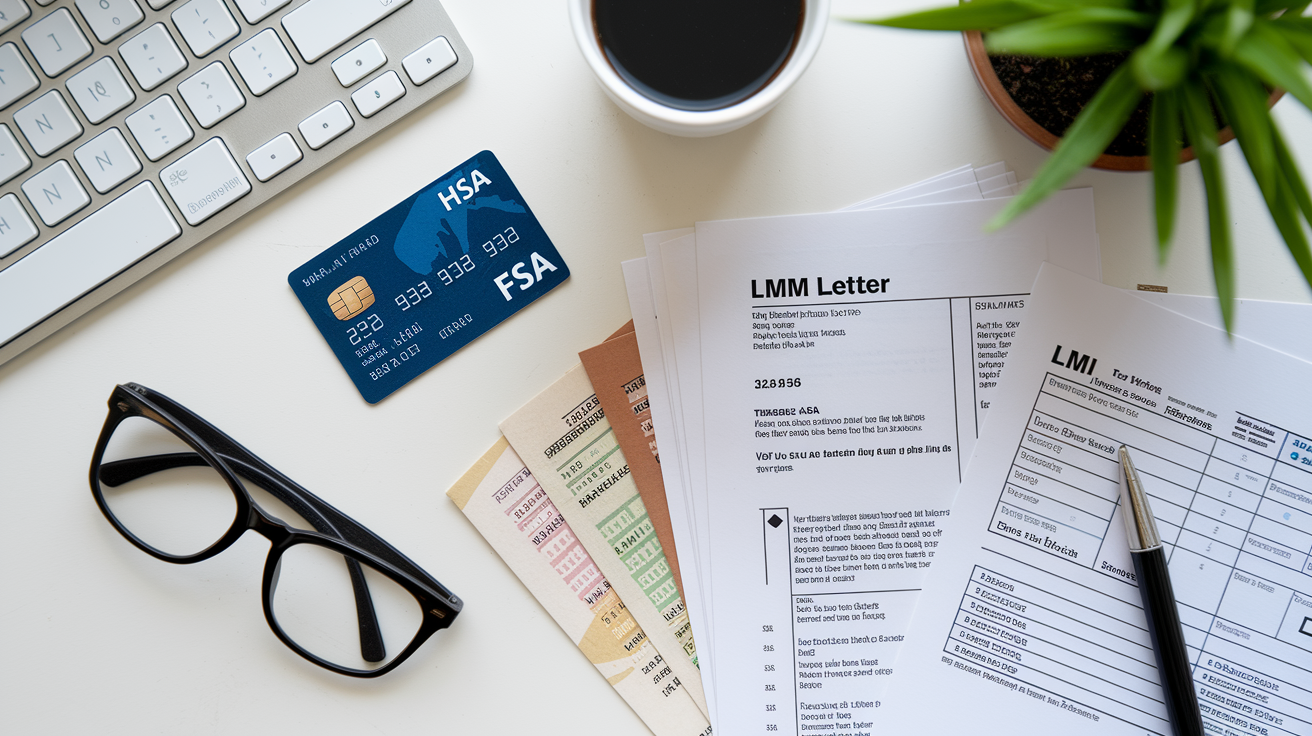
Health Savings Accounts and Flexible Spending Accounts let you pay for qualified medical expenses with pre-tax dollars, but the IRS only allows it for treatments that diagnose, treat, or restore a medical condition. PRP for a diagnosed knee injury might qualify. PRP for cosmetic hair restoration usually doesn’t. If you’re using PRP to treat alopecia caused by an autoimmune condition or other documented illness, you may be able to get reimbursement if your provider writes a Letter of Medical Necessity (LMN) that explains the treatment’s medical purpose. Male pattern baldness and purely cosmetic treatments are typically excluded.
For 2025, HSA contribution limits are $4,300 for an individual and $8,550 for a family, with an extra $1,000 catch-up contribution if you’re 55 or older. Many HSA and FSA plans issue debit cards you can swipe at the clinic just like a regular card, but you’re responsible for keeping receipts and documentation in case the IRS or your plan administrator asks for proof later. If your PRP treatment is for a joint, tendon, or soft-tissue injury that’s medically documented, save the itemized receipt, any imaging reports, and the LMN if you have one.
Here’s what you need to use HSA or FSA funds for PRP:
- Medical documentation – A diagnosis code and treatment plan from your provider showing the procedure is treating an injury or condition, not cosmetic.
- Letter of Medical Necessity (LMN) – Required for conditions like alopecia or other treatments where eligibility isn’t obvious; your provider writes and signs it.
- Itemized receipt – Shows the date of service, the procedure performed, the amount paid, and the provider’s tax ID or NPI number.
If your PRP doesn’t qualify, you can still use your HSA or FSA for related expenses like follow-up physical therapy, imaging, or prescription anti-inflammatories that are part of your recovery plan.
Comparing PRP Financing to Paying Upfront or Buying Treatment Packages
Paying cash up front is always the cheapest option if you can swing it. You avoid interest, fees, and the risk of missing a payment. Some clinics offer a small discount for cash or same-day payment, especially if they’re trying to dodge merchant fees from credit-card processors or third-party lenders. If you’re planning a series of PRP treatments, ask about multi-session packages. A clinic might charge $600 per injection individually but offer three sessions for $1,500, saving you $300 total. Package pricing also simplifies billing since you pay once and schedule your follow-ups without worrying about separate invoices.
Financing makes sense when paying the full amount at once would either drain your savings or force you to delay treatment while you save up. Delayed treatment can mean more pain, slower recovery, or progression of the injury, which might end up costing you more in physical therapy, imaging, or even surgery down the line. The trade-off is interest. A $1,200 PRP series financed at 18% APR over 12 months costs you about $130 in interest, bringing your total to around $1,330. That’s more than paying cash, but it’s manageable if the alternative is not getting treated at all.
Here’s how to decide:
- Calculate total cost – Add up session fees, add-ons, and any interest or financing fees to see the real price.
- Compare package deals – Ask if the clinic discounts multi-session bundles and whether you can pay for a package over time.
- Weigh urgency vs. cost – If your condition is worsening and financing lets you start treatment now, the interest cost may be worth avoiding further damage or the need for surgery later.
Interest Rates, APR, and the True Total Cost of Financing PRP
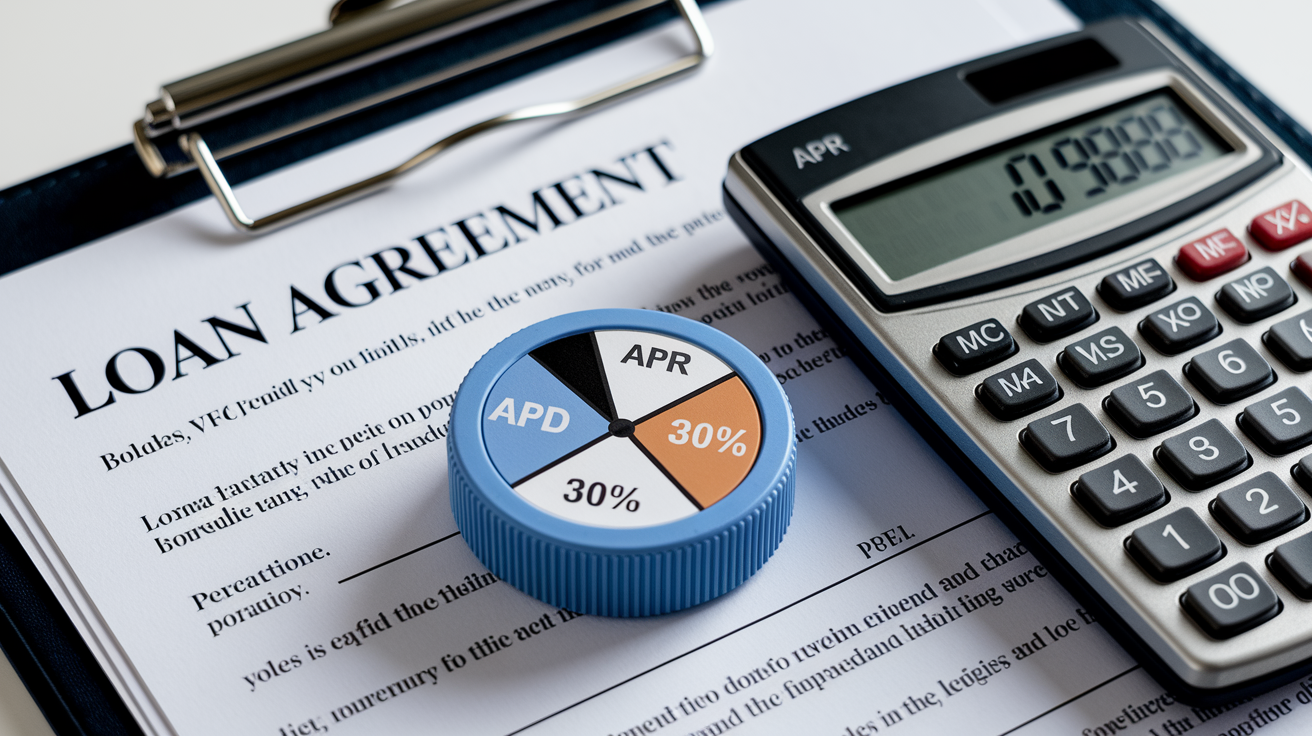
APR stands for Annual Percentage Rate, and it tells you how much the loan costs per year expressed as a percentage of the amount you borrow. A 10% APR on a $1,000 loan means you’ll pay about $100 in interest over one year if you carry the full balance that long. Most PRP financing plans use simple interest and fixed monthly payments, so your payment stays the same each month and part goes to interest and part to principal. The longer your repayment term, the more total interest you pay, even if the monthly payment is smaller.
A $1,200 PRP series financed at 0% for 12 months costs you $1,200 total and $100 per month. The same $1,200 at 18% APR over 12 months costs about $1,330 total and roughly $111 per month. Stretch that same loan to 24 months at 18% and your monthly payment drops to around $59, but your total cost climbs to about $1,415 because you’re paying interest for twice as long. Promotional 0% windows from 3 to 24 months let you skip interest completely if you pay off the balance before the promo ends, but if you miss the deadline, deferred interest can add hundreds of dollars overnight.
| APR | Term Example | Approx. Total Cost Difference (on $1,200) |
|---|---|---|
| 0% (promotional, paid in full) | 12 months | $1,200 total ($0 interest) |
| 18% (fixed) | 12 months | ~$1,330 total (~$130 interest) |
| 18% (fixed) | 24 months | ~$1,415 total (~$215 interest) |
Before you sign, ask for the total amount you’ll pay over the life of the loan, not just the monthly payment. Some lenders show only the low monthly number to make the plan look easier, but the full cost is what matters.
Budgeting and Evaluating Fit: Choosing the Best PRP Payment Plan
Choosing a payment plan isn’t just about what you qualify for. It’s about what you can actually afford month to month without stressing your budget or risking missed payments that damage your credit. Start by listing your monthly take-home income and fixed expenses like rent, groceries, utilities, and debt payments. Whatever’s left is your available cushion. A PRP payment that eats more than 10% of that cushion every month is risky, especially if an unexpected expense pops up.
Patients are nine times more likely to stay loyal to a provider they find easy to work with, and 75% are more likely to book additional services when financing is available. But 38% of adults delay healthcare because of cost, which means affordable monthly payments can be the difference between getting treated and putting it off until the problem gets worse. That’s why it matters to compare not just the total cost but also the approval likelihood and the flexibility of the plan. A 0% offer with a 64% approval rate might not help if you don’t qualify, while a higher-interest plan with an 80% approval rate gets you treated now.
Here are the key questions to ask when comparing offers:
- What’s the total amount I’ll pay over the full term, including all interest and fees?
- Is this a true 0% plan or a deferred-interest offer that charges me retroactively if I don’t pay in full?
- What’s my monthly payment, and can I afford it without cutting into emergency savings?
- How long does the approval process take, and when will the clinic receive payment?
- Can I pay off the balance early without a penalty, and will that save me interest?
If you’re stuck between two plans, pick the one with the shortest term you can afford. You’ll pay less total interest and free up that monthly payment sooner for other priorities.
Safety Considerations and Avoiding Financing Scams for PRP
Medical financing is regulated, but not every lender follows the rules. Some prey on patients who are desperate for treatment and don’t read the fine print. Before you sign anything, confirm the lender is legitimate. Check for a physical address, a customer-service phone number, and reviews on independent sites. If the lender operates only through a clinic and won’t provide direct contact information, that’s a red flag. Legitimate third-party lenders like CareCredit, Cherry, and PatientFi are widely used, have public contact details, and disclose their loan issuer (usually an FDIC-insured bank).
Truth in Lending Act (TILA) disclosures are required for most consumer credit, and they must clearly state the APR, the total amount financed, the finance charge, the total of payments, and the payment schedule. If those details are missing or buried in vague language, don’t sign. Avoid any plan that promises “no credit check, guaranteed approval” but then charges processing fees up front or asks for a deposit before you receive funding. Real lenders don’t ask for money to approve you.
Watch out for these specific red flags:
- Unclear or missing APR and total-cost disclosures – Federal law requires lenders to show these in writing before you sign.
- Deferred-interest clauses hidden in small print – If the plan says “0% interest” but doesn’t say “no deferred interest,” ask directly what happens if you don’t pay in full by the deadline.
- Pressure to sign immediately without reviewing the contract – Legitimate financing gives you time to read and ask questions.
- Requests for upfront fees or deposits before approval – Real lenders fund your treatment first and collect payments afterward; they don’t charge you to apply.
If something feels off, take the contract home, read it carefully, and ask someone you trust to review it with you. You can also contact your state attorney general’s office or the Consumer Financial Protection Bureau (CFPB) to check complaints against a lender.
Final Words
You can use clinic installments, medical credit cards, BNPL platforms like Cherry or PatientFi, HSAs/FSAs when eligible, or third-party loans to make PRP doable. We covered session costs, how bundles change per-session price, APR and promo traps, approval timelines, and what clinics usually include.
Now use simple checks: get an itemized quote, compare APR and approval odds, confirm soft vs hard credit checks, and watch for retroactive interest. Use prp treatment financing options and payment plans to find a fit that protects your recovery and your budget. You’ll be glad you planned.
FAQ
Q: How much do 3 sessions of PRP cost?
A: Three PRP sessions typically cost about $1,800 to $3,000, assuming $600–$1,000 per session. Costs vary by clinic, treatment area, and add-ons like imaging or guided injections.
Q: How much do PRP injections cost out of pocket?
A: Out-of-pocket PRP injections usually run $600–$1,000 per session nationally, and are often not covered by insurance. Expect extra fees for imaging, follow-ups, or bundle discounts.
Q: What credit score do you need for Cherry?
A: Cherry doesn’t publish a single credit-score cutoff; many applicants with fair-to-good credit qualify. Prequalification often uses a soft credit check, and approval rates are reported above 80%.
Q: Can PRP heal a torn rotator cuff?
A: PRP cannot be guaranteed to heal a torn rotator cuff; it may reduce pain and help healing in some partial tears, but full-thickness tears frequently require surgical repair.