
Is total rest after a regenerative joint injection actually helping your recovery, or slowing it down?
Short answer: you need a short window of protection, plus careful, phased movement to get the best results.
This guide lays out realistic timelines for PRP, stem cell, and prolotherapy, joint-specific do’s and don’ts, and step-by-step safe movement strategies you can follow.
You’ll learn when to avoid heavy load, what gentle motion protects healing, and the exact questions to ask your provider so your recovery and wallet stay on track.
Activity Restrictions After Regenerative Joint Treatments: Immediate Post‑Procedure Guidance
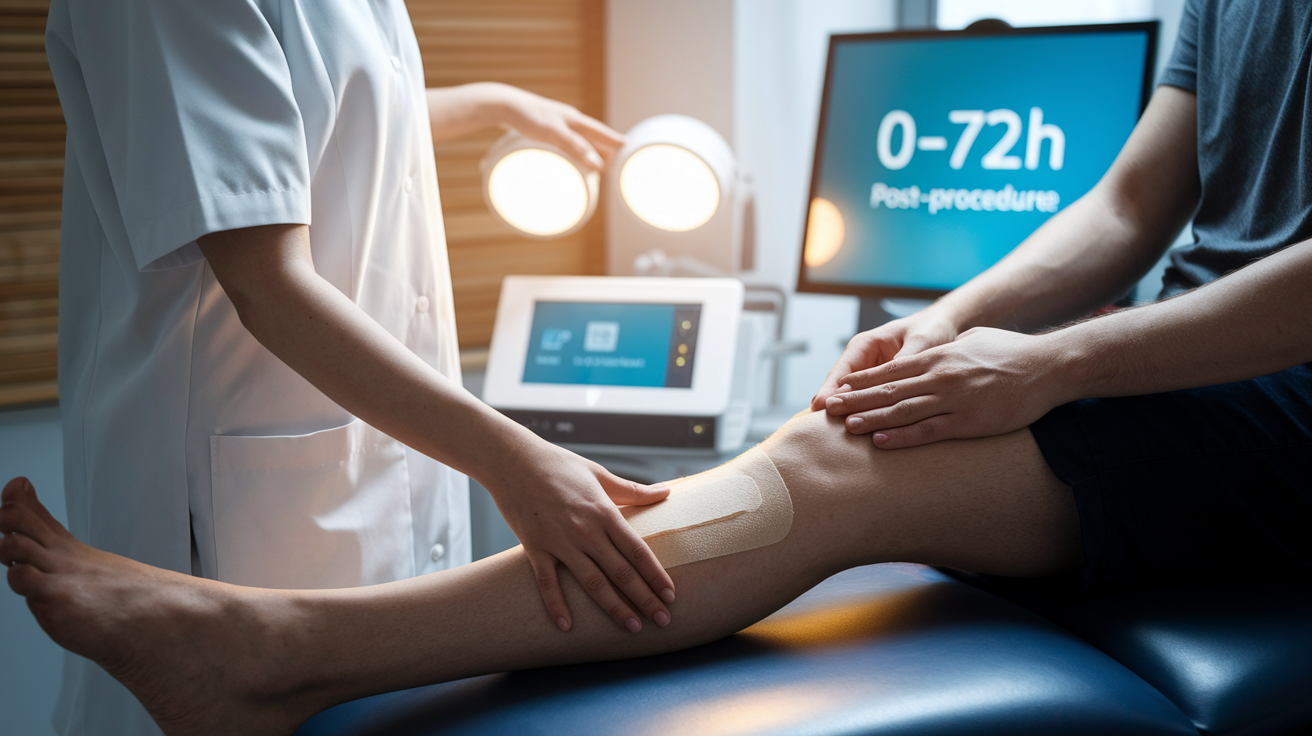
Most regenerative joint procedures need a short window of strict activity changes. The first 24 to 72 hours protect the injection site, keep the biological concentration of platelets or cells intact, and let the earliest inflammation and growth factor release happen without getting disrupted. Right away, you’re avoiding high-impact stuff, keeping load off the joint, holding off on anti-inflammatory meds, and limiting heat or hard use of the treated area. The goal isn’t full immobilization. You need some controlled, light movement to keep circulation going and stop stiffness from setting in. But anything that creates heavy load, shear stress, or repetitive impact can tank the treatment’s effectiveness.
How long these limits last depends on the procedure type and which joint got treated. For a lot of PRP injections, you’re looking at modified activity for roughly one to two weeks, with the strictest stuff during the first 48 to 72 hours. Stem cell therapies usually need longer because cells need time to stick and start turning into functional tissue. Prolotherapy targets ligament laxity through controlled inflammation. It typically restricts hard activity for three to seven days but really demands you avoid shearing or twisting motions that stress the healing ligament during that stretch.
There’s variation based on your provider’s protocol, the joint they treated, and how active you are at baseline. A knee injection for a runner gets different guidance than a shoulder procedure for someone who doesn’t lift overhead much. The common thread? All regenerative treatments lean on a biological repair process that starts the second the injection goes in. Your behavior in those first days and weeks directly shapes how well that process unfolds.
What to skip in the first 72 hours:
- Hard exercise like running, jumping, plyometrics, or heavy lifting
- Direct pressure on the injection site or soaking in pools, hot tubs, or baths for too long
- Anti-inflammatory meds (NSAIDs) and ice for PRP, since they can shut down platelet activity
- Sudden twisting, pivoting, or rotation with the treated joint
- Long stretches of sitting or staying still that cut circulation and ramp up stiffness
Procedure‑Specific Restrictions: PRP, Stem Cell, and Prolotherapy Differences

The type of regenerative procedure you get sets both the intensity and length of activity restrictions. All three share the goal of promoting tissue repair. But the biology driving each one is different, and so are the behaviors that protect or mess with that biology.
PRP Restrictions
PRP uses concentrated platelets from your own blood to deliver growth factors straight into damaged tissue. The typical timeline for modified activity runs one to two weeks, with the most cautious stretch in the first 48 to 72 hours. During that window, skip NSAIDs and ice. Both suppress the inflammatory signals that activate platelet growth factors. Loading limits focus on preventing mechanical disruption. No heavy squats, deep lunges, sprinting, or high-rep impact drills. Light walking, gentle range-of-motion work, and controlled stretching are generally okay within a few days, as long as they don’t cause sharp pain or swelling. A lot of providers recommend starting Physical Therapy around week two to guide progressive loading and bring back movement quality without overloading the repair zone.
Stem Cell Therapy Restrictions
Stem cell injections, whether pulled from bone marrow or fat tissue, bring in cells that need time to attach to the target tissue and start becoming cartilage, tendon, or other structural parts. This process can take weeks. Activity changes often last longer than with PRP. The first week usually mirrors PRP guidance: rest, don’t load heavy, keep the joint moving gently. Weeks two through four need careful phased increases. You’re not trying to stress the cells into action. You’re giving them a stable setting while slowly adding controlled mechanical signals that guide tissue remodeling. High-impact activities, sudden direction changes, and heavy resistance training stay off-limits until your provider confirms tissue stability, often around the four to eight week mark.
Prolotherapy Restrictions
Prolotherapy works by injecting an irritant solution (usually dextrose) into ligaments to trigger a controlled inflammatory response that tightens and strengthens loose tissue. The typical restriction window is shorter, three to seven days, but the rules are firm. Ligaments heal slowly. Early shearing stress like twisting, pivoting, or jerky movements can mess up the repair cascade before new collagen forms. You’ll avoid activities that stress the targeted ligament in its weak plane. For a knee, that means no deep squats with rotation. For a shoulder, no loaded overhead reaching or sudden pulling. Light movement and daily activity are fine as long as they stay within controlled ranges and don’t bring back pain.
Joint‑Specific Activity Guidelines for Knees, Hips, and Shoulders
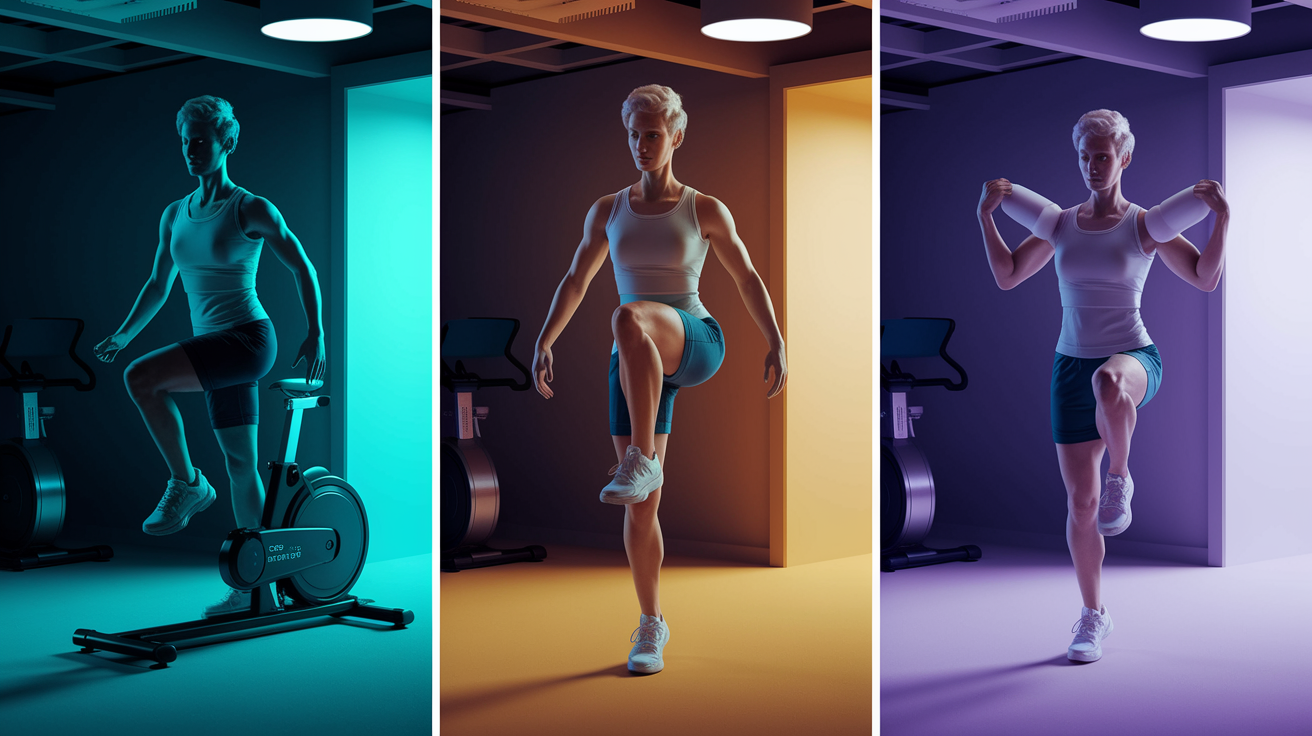
The joint being treated shapes which movements you need to limit and which alternatives you can safely use. Knees, hips, and shoulders each carry different loading patterns and injury risks, so recovery protocols adjust.
Knee: Early restrictions focus on cutting down how much you walk and avoiding deep knee bending under load. That means no deep squatting, no loaded lunges, no running, and no jumping for at least the first two weeks. Short, flat-surface walks are usually fine after the first few days. Stationary cycling with light resistance can start around week two if you’re cleared, because it gives controlled, low-impact range of motion without shear stress. Skip prolonged standing or kneeling since both compress the joint and can bump up local inflammation. Bringing back strength work starts with isometric quad sets and straight-leg raises, then moves to resistance-band exercises and partial-range squats before going to full-depth or loaded movements. High-impact drills and return to sport typically wait until weeks six to eight, and only after a Physical Therapist or provider confirms stability and strength.
Hip: Hip restrictions center on avoiding extreme rotation, sitting for too long, and heavy load through the hip joint. The first week, keep walks short and skip stairs when you can. Don’t sit in low or soft chairs where your hips drop below your knees, and don’t cross your legs. Twisting and pivoting on one leg are especially risky early because they combine rotation and load, stressing the labrum and joint capsule. Safe alternatives include gentle hip range-of-motion exercises like lying leg circles and supine marches, pool walking once the injection site heals, and isometric hip strengthening that doesn’t need weight-bearing rotation. Progression moves to stationary cycling, resistance-band hip work, and controlled single-leg balance drills, typically starting around weeks three to four. Return to stuff like running, cutting sports, or heavy deadlifts needs clearance and often waits until the eight-week mark or beyond.
Shoulder: Shoulder procedures demand strict limits on overhead reaching, heavy lifting, and loaded internal or external rotation for the first two to three weeks. The rotator cuff and labrum are especially vulnerable to re-injury when stressed early, so avoid pushing, pulling, or carrying loads above waist height. Safe early exercises include pendulum movements, gentle shoulder rolls, and scapular squeezes that wake up supporting muscles without loading the joint capsule. Water-based therapy can begin around week two if the injection site is fully closed. Progression involves resistance-band rotator-cuff work in neutral positions, then gradual reintroduction of controlled overhead movement with very light loads. Return to overhead sports, heavy pressing, or throwing motions typically needs four to eight weeks and formal Physical Therapy clearance to make sure movement patterns are sound.
Phased Timeline of Resuming Activity: Week‑by‑Week Expectations
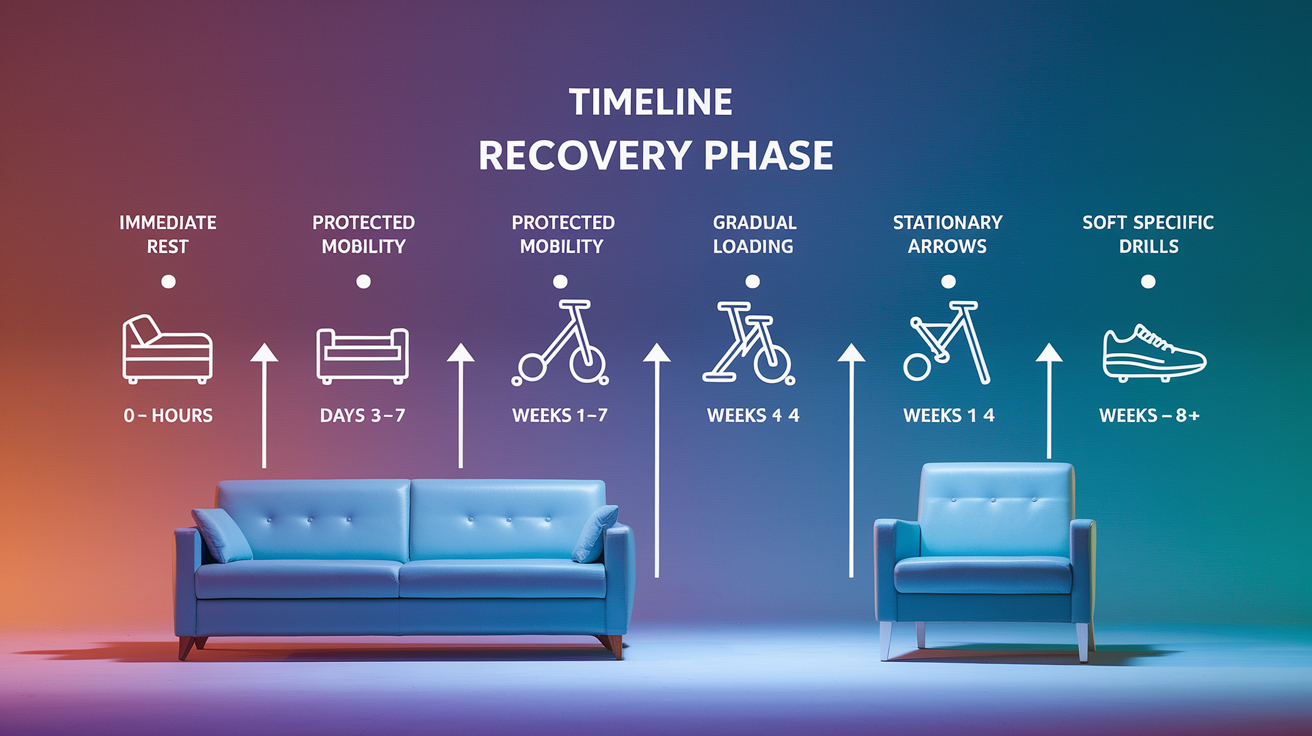
| Phase | Timeframe | Key Restrictions | Allowed Activities |
|---|---|---|---|
| Immediate Rest | 0–72 hours | No hard activity, no NSAIDs/ice for PRP, avoid soaking or direct pressure on injection site | Gentle range-of-motion work, short flat walks, hydration and rest |
| Protected Mobility | Days 3–7 | No high-impact or heavy loading, no deep joint positions under load, avoid twisting/pivoting | Light stretching, basic yoga (modified), guided ROM exercises, isometric holds |
| Gradual Loading | Weeks 1–4 | No jumping, sprinting, or heavy resistance; still avoid aggressive stretching and contact sports | Walking, stationary cycling, pool therapy, resistance-band work, progressive PT-guided strengthening |
| Sport-Specific Drills | Weeks 4–8+ | Clearance required before return to high-impact, sport-specific, or maximal-load activity | Progressive jogging, controlled agility drills, graduated resistance training, sport-specific rehearsal under supervision |
Recovery timelines vary a lot based on age, joint health, procedure type, and how closely you stick to restrictions. Some people feel ready to return to full activity at six weeks. Others need three months or more. The table above gives general milestones, but your actual progression should be guided by symptoms like pain, swelling, and stability, plus clearance from your treating provider or Physical Therapist. Pushing too fast can trigger setbacks that stretch out recovery, while moving thoughtfully builds durable, functional tissue that supports long-term performance and pain relief.
Medical Rationale Behind Activity Restrictions
Activity restrictions exist to protect the biological processes that drive tissue repair. Regenerative treatments lean on a cascade of cellular events: inflammation, growth-factor release, cell migration, and tissue remodeling. Each phase has specific needs, and early mechanical stress can mess with those needs in ways that cut treatment effectiveness or trigger re-injury.
For PRP, concentrated platelets release growth factors when they’re activated by the local tissue environment. If you load the joint hard or bring in anti-inflammatory agents too soon, you blunt that activation. The result? A smaller repair response and less new tissue formation. Ice does the same thing early on. It suppresses local blood flow and inflammatory signaling, both of which are necessary to kick-start the repair cascade.
Stem cell injections need cells to stick to damaged tissue and start becoming functional structures like cartilage or tendon. Too much shear stress, impact, or repetitive loading during the first few weeks can physically knock cells loose or create a hostile inflammatory environment that cuts cell survival. Once cells take hold and start producing extracellular matrix, controlled loading actually helps guide tissue maturation. But that comes later. The early phase is about giving cells a stable, low-stress environment to integrate and start their work.
Prolotherapy depends on controlled inflammation to get collagen deposited in weakened ligaments. The irritant solution creates a localized injury response, and your body’s natural healing lays down new collagen fibers to strengthen the ligament. If you stress the ligament with heavy twisting or shearing forces before that collagen matures, you can re-injure the tissue or mess up the repair architecture, leaving the ligament just as loose as before. Timing matters. New collagen takes weeks to organize and cross-link into functional tissue, so the activity restrictions line up with that biological timeline.
Safe Alternatives to Maintain Fitness During Recovery

You don’t have to lose fitness while you recover from a regenerative joint procedure. The trick is choosing activities that keep cardiovascular conditioning, muscle activation, and movement quality going without overloading or irritating the treated joint.
Light walking on flat, even surfaces keeps circulation moving and stops stiffness without generating high impact. Stationary cycling with low to moderate resistance gives controlled range of motion and aerobic work, especially useful for knee and hip procedures once the first week passes. Pool-based exercises like water walking or gentle aqua therapy offer buoyancy that cuts joint load while letting you move your whole body. Gentle core training, including planks, bird-dogs, and supine marches, keeps trunk stability and supports overall movement quality without stressing peripheral joints. Resistance-band work for non-treated joints lets you keep upper-body or lower-body strength without heavy loading. Modified yoga or Pilates, skipping deep joint positions or aggressive stretching, can hold onto flexibility and body awareness.
Safe alternatives during recovery:
- Light walking on flat surfaces, slowly increasing how long you go as you feel better
- Stationary cycling with controlled resistance, avoiding deep knee bending or hip rotation for lower-body procedures
- Pool-based therapy and water walking once the injection site fully heals
- Isometric exercises and resistance-band strengthening for joints not under restriction
- Modified yoga or Pilates that skips deep joint loading and aggressive stretching
- Gentle core stability work like planks, dead bugs, and bird-dogs to keep trunk control
Final Words
Right after the injection, the practical plan matters: immediate post-procedure limits, procedure-specific timelines (PRP, stem cells, prolotherapy), joint-focused do’s and don’ts, and a stepwise return were all covered above. We explained why restrictions protect healing and offered safe, low-impact ways to keep fitness going.
Talk with your provider, get a clear timeline, and use the phased plan as a checklist.
Use this guide to set realistic expectations for expected activity restrictions after regenerative joint procedures and stay steady—small wins add up.
FAQ
Q: What can you not do after stem cell treatment?
A: After stem cell treatment you should avoid high-impact exercise, heavy joint loading, hot tubs/sauna, aggressive stretching, and routine anti-inflammatory meds early; follow your provider’s timeline for phased return.
Q: How long does it take for regenerative therapy to work?
A: Regenerative therapy timing varies; people often notice changes in 4–12 weeks, with full effects sometimes taking 3–6 months, depending on the procedure, injury, and rehab plan.
Q: How many days after PRP can you exercise?
A: After PRP you can usually do light activity after 3–7 days; higher-load exercise is often delayed 1–2 weeks—follow your provider’s specific advice and pain signals.
Q: What are the biggest challenges in regenerative medicine?
A: The biggest challenges in regenerative medicine are variable evidence and outcomes, high cost and inconsistent pricing, regulatory differences, and matching rehab timing to biological healing for reliable, safe results.