
Think PRP is a one-and-done fix?
Here’s the short truth: most people need 3 to 6 initial sessions spaced 4 to 6 weeks apart, plus maintenance every 4 to 6 months.
Per session costs usually run $500 to $2,500, so your realistic first-year spend often falls between about $2,500 and $22,500 depending on location, provider skill, and added services, and knowing that range helps you compare quotes and ask the right questions.
Clear Overview of PRP Session Requirements and Total Treatment Cost
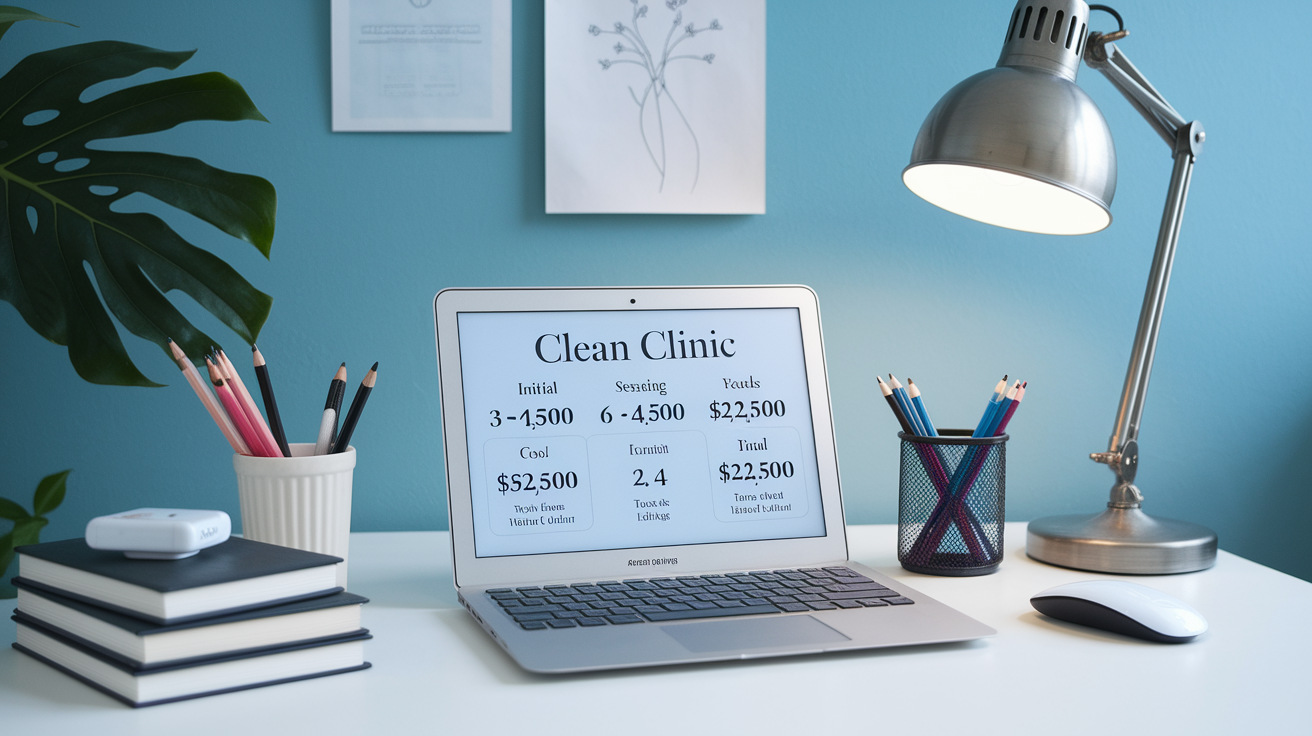
Most people getting started with PRP need 3 to 6 initial sessions spaced roughly 4 to 6 weeks apart, then maintenance every 4 to 6 months after that to hold onto what you’ve gained. Sessions usually run $500 to $2,500 each, so your upfront series can land anywhere from $1,500 (three sessions at the low end) to $15,000 (six sessions at premium pricing). Toss in your first year’s maintenance visits (usually 2 to 3 more sessions), and you’re looking at total first year spending somewhere between $2,500 and $22,500, depending on where you go, who treats you, and how many rounds your situation actually needs.
That spread feels huge at first glance. But once you understand how the session structure works and what moves the price around, planning gets easier. Here’s the typical path:
- Initial session count: 3 to 6 treatments in the startup phase
- Session timing: appointments about 4 to 6 weeks apart
- Per visit cost: $500 to $2,500
- Total initial series: $1,500 to $15,000 (before you start maintenance)
- First year total: $2,500 to $22,500 (startup plus first maintenance rounds)
| Session Type | Typical Count | Total Cost Range |
|---|---|---|
| Initial 3-session course | 3 sessions | $1,500–$7,500 |
| Initial 4-session course | 4 sessions | $2,000–$10,000 |
| Initial 6-session course | 6 sessions | $3,000–$15,000 |
| First-year combined (initial + maintenance) | 5–9 sessions total | $2,500–$22,500 |
Factors That Influence the Number of PRP Sessions Needed
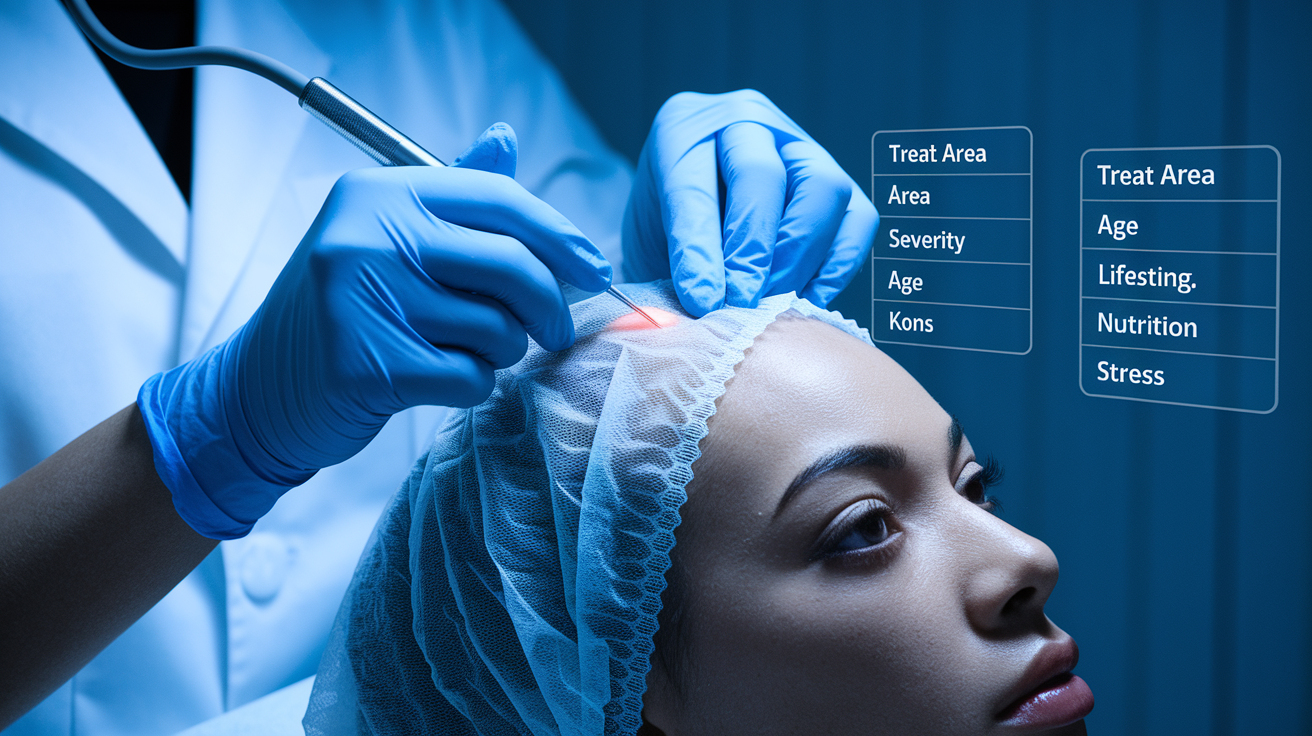
How many sessions you actually need comes down to what you’re treating, how advanced things are, and how your body reacts. Someone catching early thinning with healthy scalp tissue might only need three or four sessions if improvement shows up fast. Someone managing moderate to advanced hair loss, older age, or sluggish circulation might need the full six upfront sessions, maybe more, especially if the first few months don’t deliver much visible change.
What area you’re treating matters too. Hair restoration targets follicle zones with scalp injections. Joint work goes deeper into knees, shoulders, elbows, sometimes needing fewer visits or different spacing. Skin rejuvenation (face, neck, hands) often follows a lighter protocol, but multiple passes and higher PRP volumes per session can drive costs up even when session count stays low. Your provider builds a plan after evaluating your condition and adjusting as your response unfolds.
Lifestyle plays a role. Smoking, poor nutrition, chronic stress…all of that can slow healing and dull results. You might end up needing extra sessions or adding things like minoxidil, microneedling, or supplements just to hit your goal. There’s no universal formula. Your session count gets shaped by biology, daily habits, and how aggressively you need to address the problem.
PRP Treatment Timeline and What Results to Expect
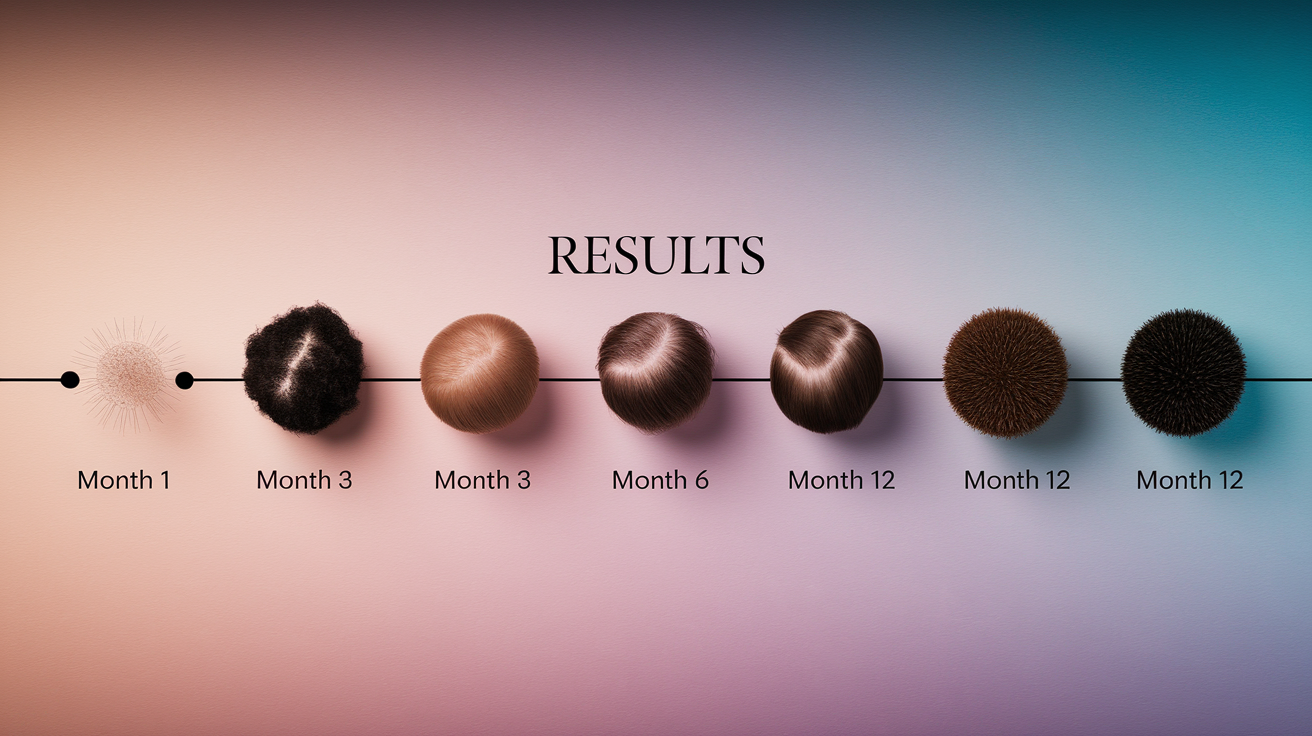
PRP doesn’t flip a switch. Most people catch the first subtle shifts (less shedding, a bit more thickness) around 2 to 3 months in. Real new growth and noticeable density tend to show up between 3 and 6 months. Fuller, more stable results usually arrive somewhere in the 6 to 12 month window. So yeah, patience is part of the deal. You’re working with your body’s natural repair and growth signals, not ordering instant change.
Sticking with the schedule matters. Skipping appointments or bailing on maintenance can stall your progress or let gains slip away. Improvements stack up over time, so consistency drives the outcome.
Here’s what a typical month by month breakdown looks like during a standard hair restoration course:
-
Month 1 (after session 1): Less shedding. You probably won’t see new hair yet, but finding less in the shower drain is often the first sign something’s moving.
-
Month 2 to 3 (after sessions 2 to 3): Slight thickening starts. Existing hairs might feel a little fuller. Tiny baby hairs might pop up along the hairline or thinning spots.
-
Month 3 to 4 (after sessions 3 to 4): Noticeable bump in thickness. Your stylist or friends might mention your hair looks healthier or denser.
-
Month 4 to 6 (after sessions 4 to 5): Visible new growth and better scalp coverage. This is when most people feel confident it’s actually working. Photos start showing real difference.
-
Month 6 to 9 (after session 6 or first maintenance): Solid regrowth and improved density. Results feel stable. Maintenance rounds begin locking things in.
-
Month 9 to 12 (ongoing maintenance): Fuller, more even coverage. You’re protecting what you built now. Focus shifts from rebuilding to sustaining.
Cost Breakdown: Per-Session Pricing, Packages, and First-Year Totals
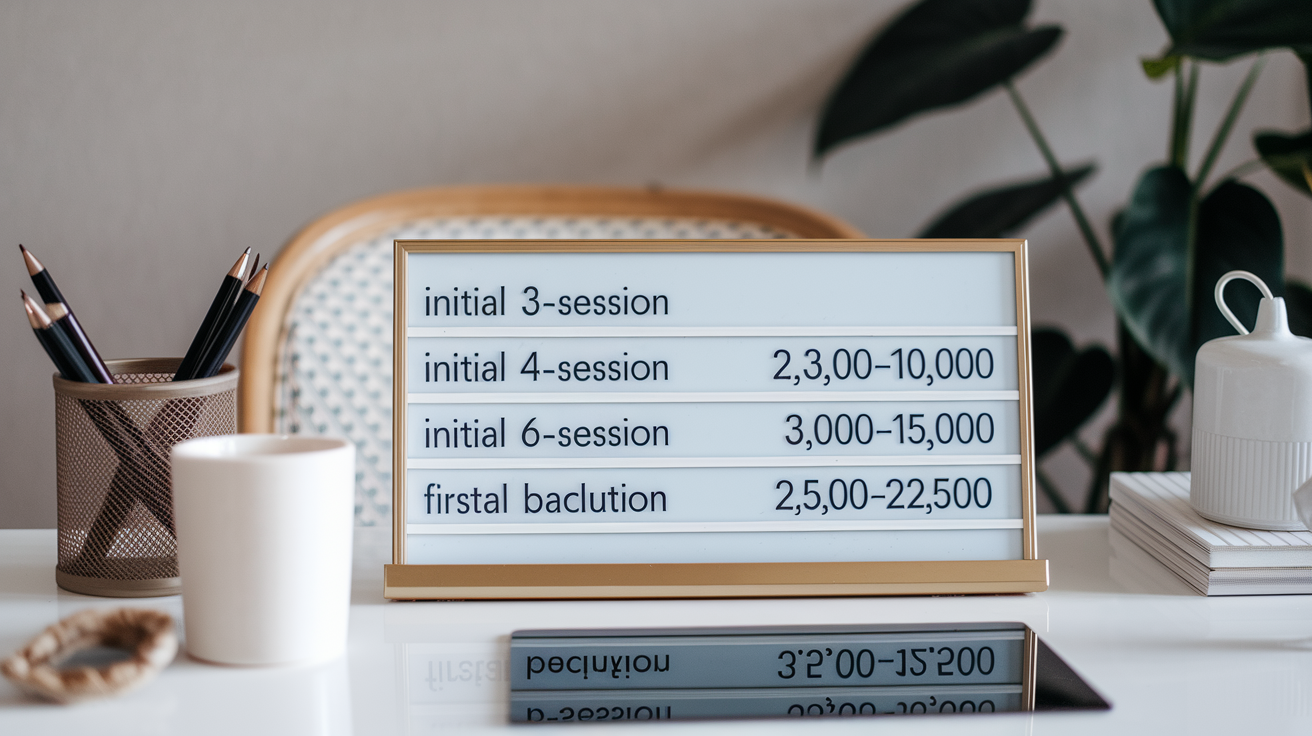
Each PRP session typically runs $500 to $2,500. Most clinics land somewhere in the $700 to $1,500 range for straightforward treatments. That per session price shifts based on location (big city practices charge more), provider expertise and reputation, the PRP system they use (fancier centrifuges and activation methods cost the clinic more), how many syringes or injection sites your treatment needs, and whether you’re adding extras like microneedling, PRF, exosomes, or numbing agents. Consults usually cost $50 to $250 upfront, though plenty of providers waive that if you book treatment.
Package deals can drop the per session cost. A clinic might offer a 3 session package for $1,800 instead of charging $700 each (which would hit $2,100 separately), or a 6 session bundle for $7,200 instead of $9,000 bought one at a time. Those bundles save money but lock you into that provider, so compare their track record, before and after photos, and reviews before committing. Geographic pricing swings hard. The same protocol that costs $600 per session in a smaller market might run $1,800 in New York or LA. Provider experience drives price too. A seasoned dermatologist or regenerative specialist with documented results often charges more than someone newer offering PRP as one service among many.
Maintenance sessions usually cost $500 to $1,000 per visit, slightly less than initial rounds because you might need less volume or fewer injections once results are established. Add on procedures (scalp microneedling, laser work, growth factor serums) can tack on another $100 to $500 per visit. Post treatment products (specialized shampoos, serums, supplements) can run $50 to $200 monthly, and those don’t always get included in the quoted session price. Optional numbing cream or local anesthesia might add $50 to $100 per session. Travel, parking, time off work…those are out of pocket costs that don’t show up on the clinic invoice but still affect your real total.
| Session Type | Typical Count | Total Cost Range |
|---|---|---|
| Initial 3-session course | 3 sessions | $1,500–$7,500 |
| Initial 4-session course | 4 sessions | $2,000–$10,000 |
| Initial 6-session course | 6 sessions | $3,000–$15,000 |
| First-year combined (initial + maintenance) | 5–9 sessions total | $2,500–$22,500 |
Maintenance Sessions and Long-Term PRP Costs
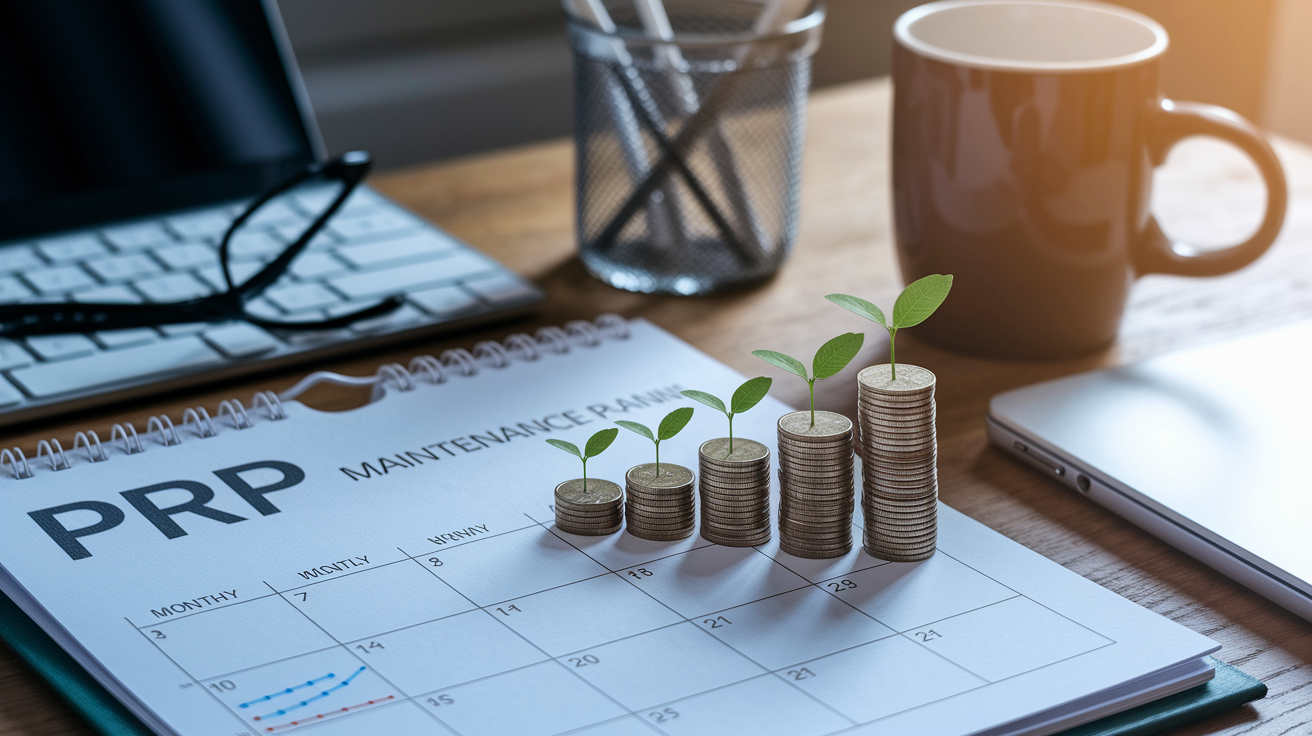
Once you finish your initial course, results don’t stick around forever on their own. Most people need maintenance appointments every 4 to 6 months (typically 2 to 3 sessions per year) to keep improvements stable and stop thinning from creeping back. Without those booster sessions, PRP effects often start fading around the 6 to 12 month mark, and the progress you spent months building can slowly reverse.
Annual long term maintenance costs depend on how many sessions you schedule and what your provider charges. Here’s the typical range:
- 2 maintenance sessions yearly: $1,000 to $5,000
- 3 maintenance sessions yearly: $1,500 to $7,500
- Higher frequency maintenance (every 3 to 4 months): up to $10,000 annually if per session cost sits on the high end
Those numbers assume standard pricing, not discounted rates locked in through a long term package. Some clinics offer annual maintenance memberships that bring per session costs down, which can shave $500 to $1,500 off your yearly total if you commit upfront.
Insurance, Payment Plans, and Budget Planning for PRP

PRP for hair loss, skin rejuvenation, or elective joint pain almost always gets labeled cosmetic or wellness care. That means standard insurance won’t cover it. You’ll pay out of pocket for every session, every consult, every add on. A few medical plans might cover PRP if it’s used for a documented injury (like a torn tendon) and prescribed by an orthopedic specialist, but that’s rare and requires pre authorization. Don’t assume coverage without confirming in writing with your insurer.
Plenty of clinics offer payment plans or work with third party financing like CareCredit, Alphaeon, or Affirm, letting you spread the cost over 6 to 24 months. Interest rates vary. Some offer 0% if you pay within a promo window, others charge standard credit rates. Read the terms carefully. Deferred interest can spike your total cost if you miss the payoff deadline. A few practices also run seasonal discounts or first time patient specials that knock 10% to 20% off package pricing, so it’s worth asking about timing before you book.
Here are four practical steps to budget for PRP without surprises:
- Ask for an itemized quote listing per session cost, consult fee, recommended session count, maintenance frequency, and any optional add ons (numbing, serums, microneedling) separately.
- Compare total first year cost across at least two or three providers, factoring in session count, location, provider credentials, and before and after documentation.
- Confirm what happens if results fall short. Some clinics offer partial refunds, credit toward other treatments, or adjusted protocols if you see minimal improvement after the initial course.
- Plan for maintenance as a recurring expense from year two onward, not a one time investment. Build those 2 to 3 annual sessions into your long term budget before starting treatment.
Final Words
You can expect an initial course of 3–6 PRP sessions spaced 4–6 weeks apart, then maintenance about every 4–6 months. Per session usually runs $500–$2,500; initial course totals roughly $1,500–$15,000 and first‑year costs commonly fall between $2,500–$22,500.
- Recommended initial sessions: 3–6
- Session spacing: 4–6 weeks
- Per‑session price: $500–$2,500
- Total initial course range: $1,500–$15,000
- First‑year estimated total: $2,500–$22,500
Ask for an itemized quote so you clearly see how many prp sessions are needed and total cost. With that clarity, you can make a smart, budget-friendly decision and get back to training.
FAQ
Q: Is 3 sessions of PRP enough?
A: Three sessions of PRP may be enough for mild cases; typical initial courses are 3–6 sessions spaced 4–6 weeks, with maintenance every 4–6 months, but results depend on condition and response.
Q: How much do 3 sessions of PRP cost?
A: Three sessions of PRP typically cost $1,500–$7,500; per-session prices usually run $500–$2,500, and first‑year totals can range roughly $2,500–$22,500 depending on provider, location, and add‑ons.
Q: Is PRP really worth it?
A: PRP’s value depends on diagnosis, severity, and provider skill; some people see reduced shedding and increased thickness, but evidence varies—get provider credentials, itemized pricing, and realistic before/after examples first.